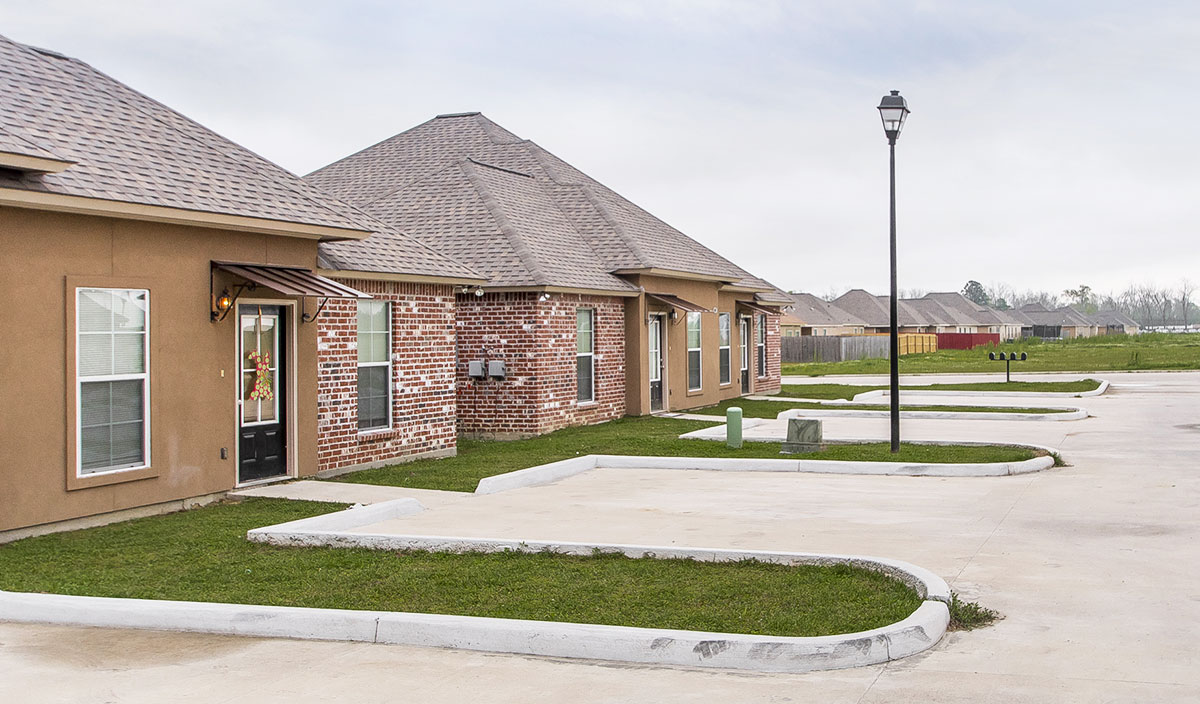
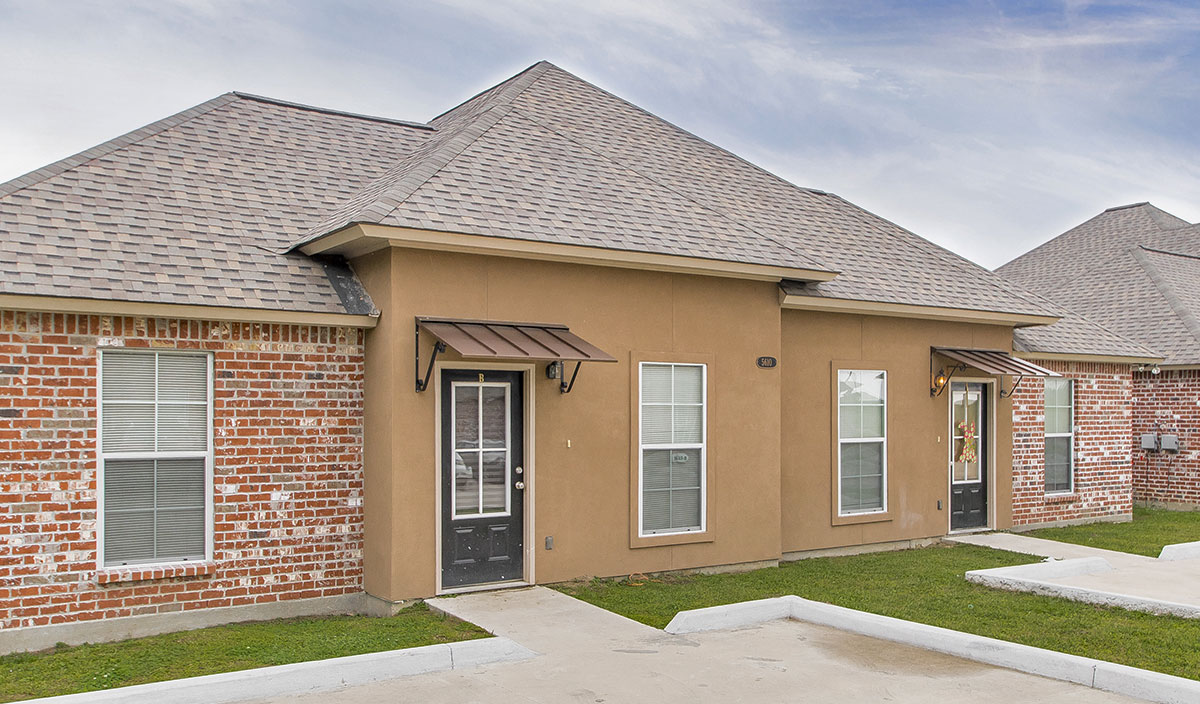
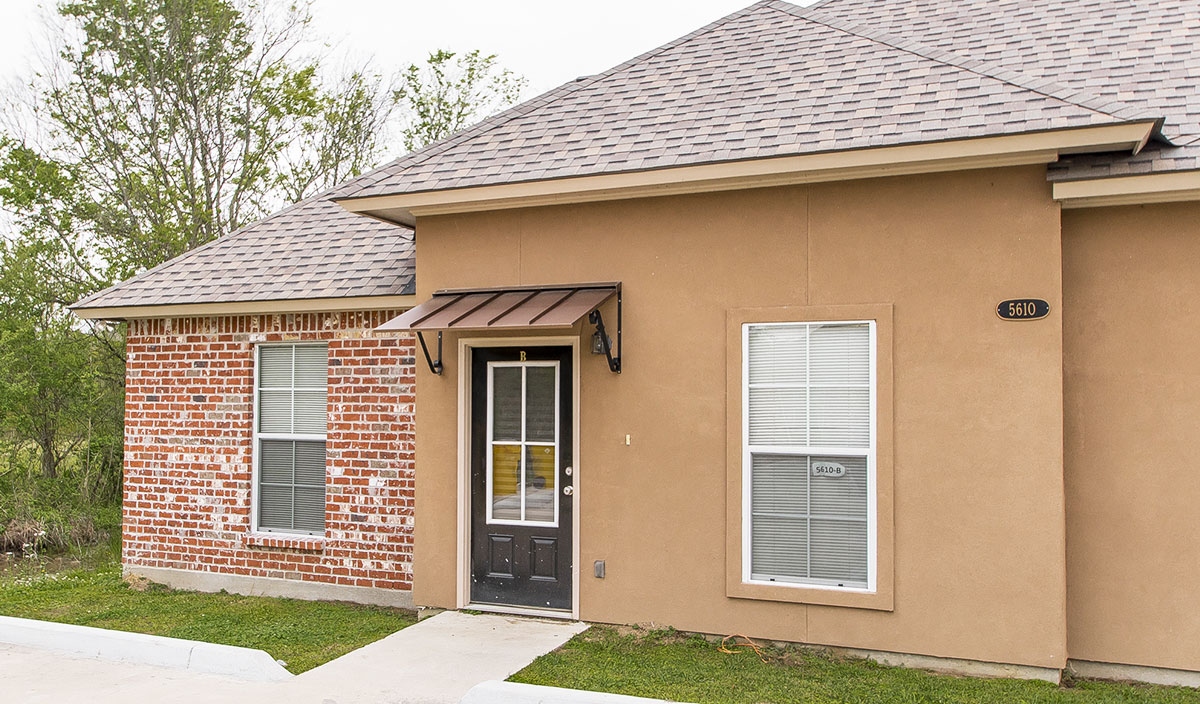
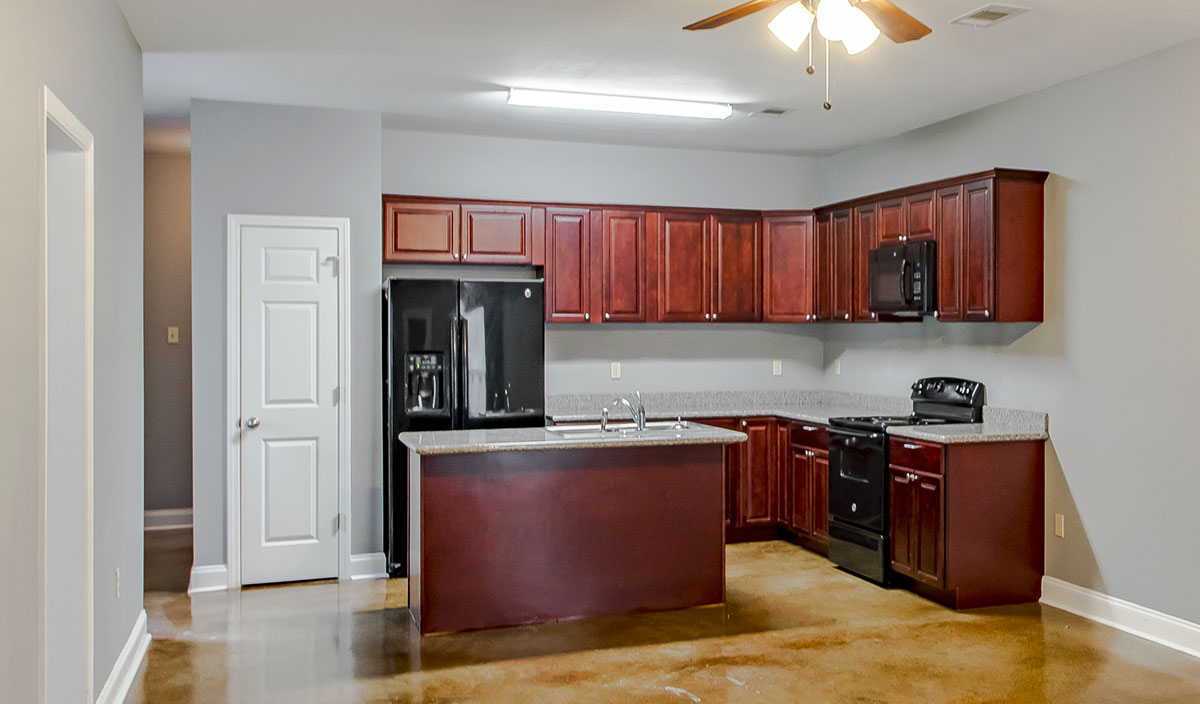
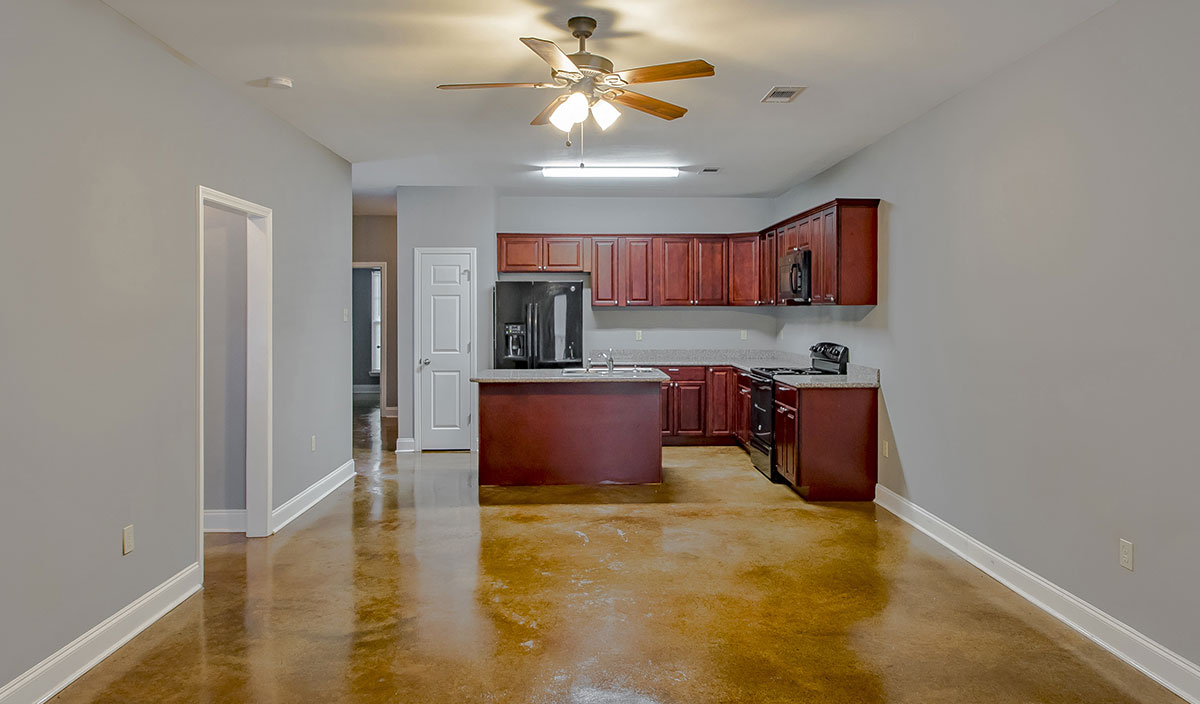
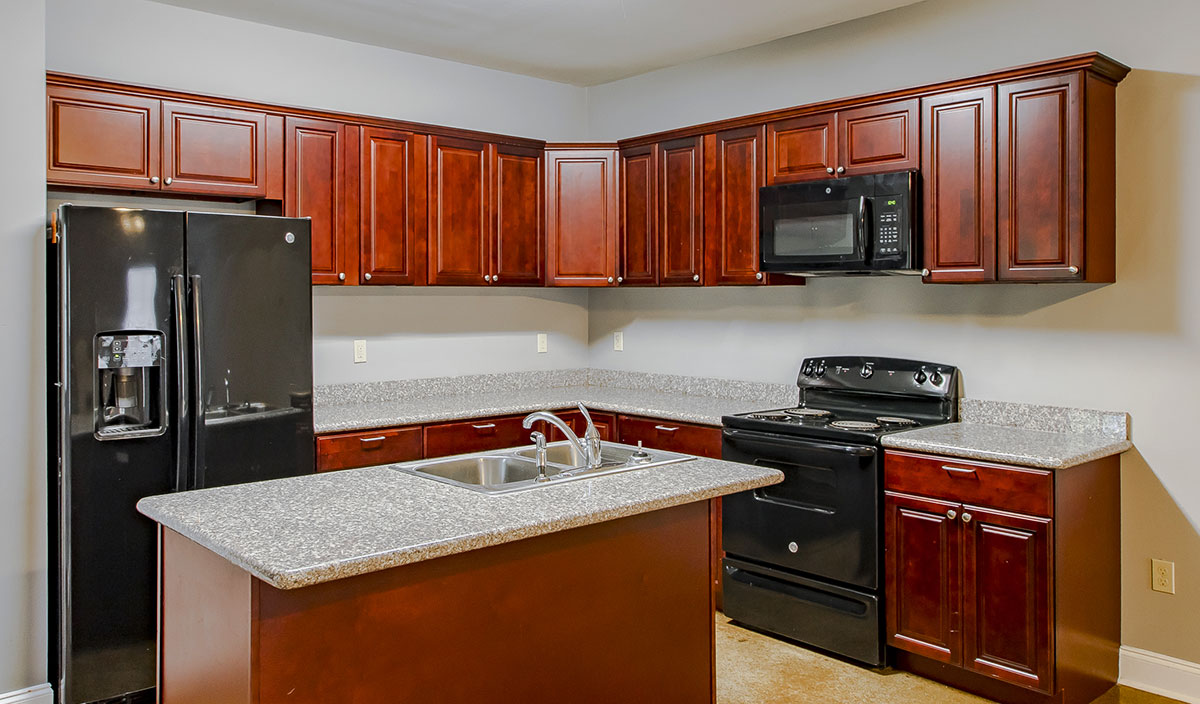
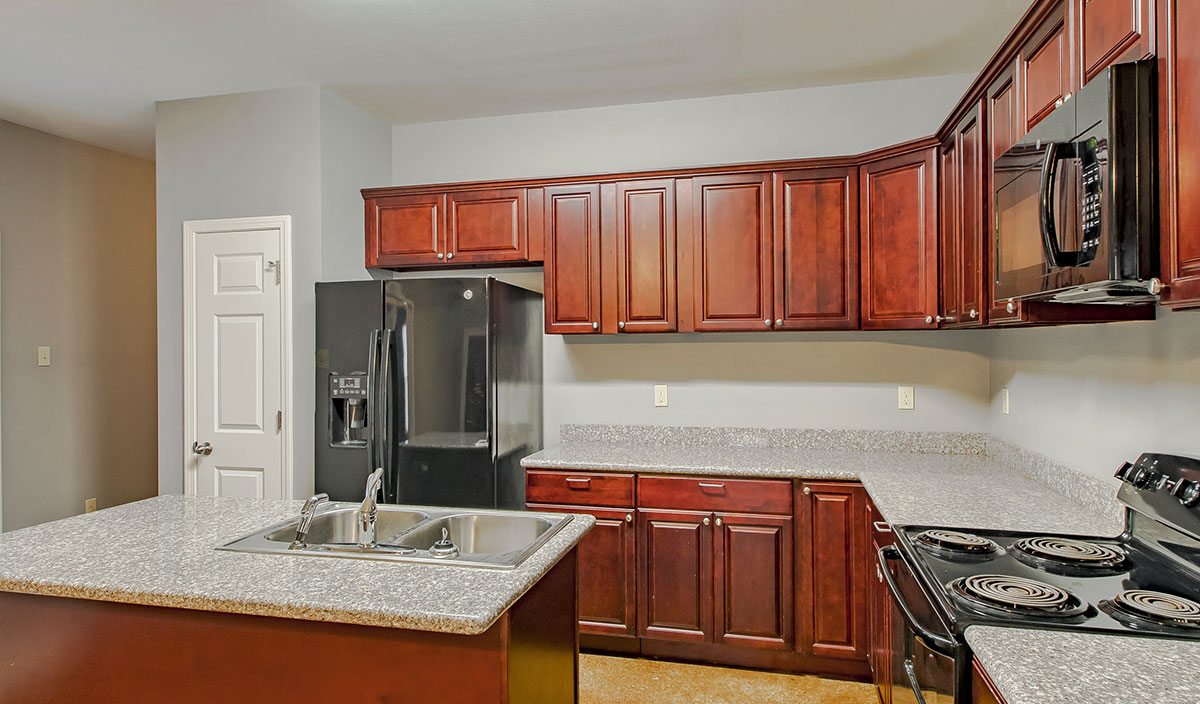
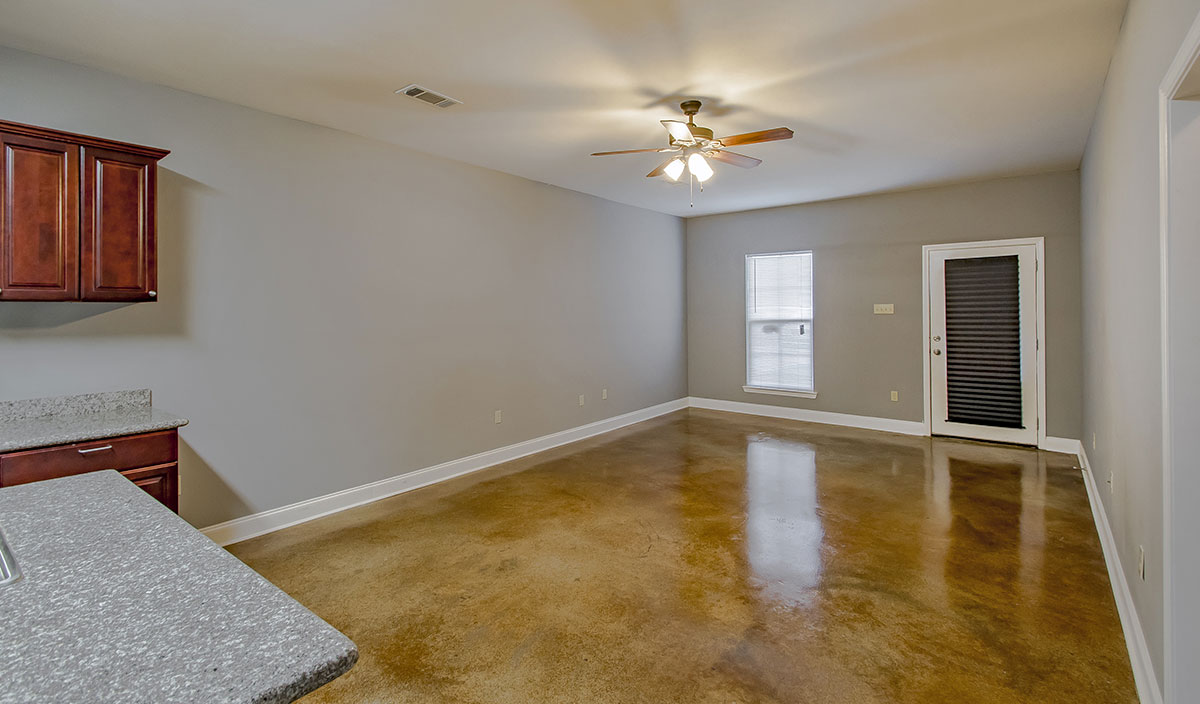
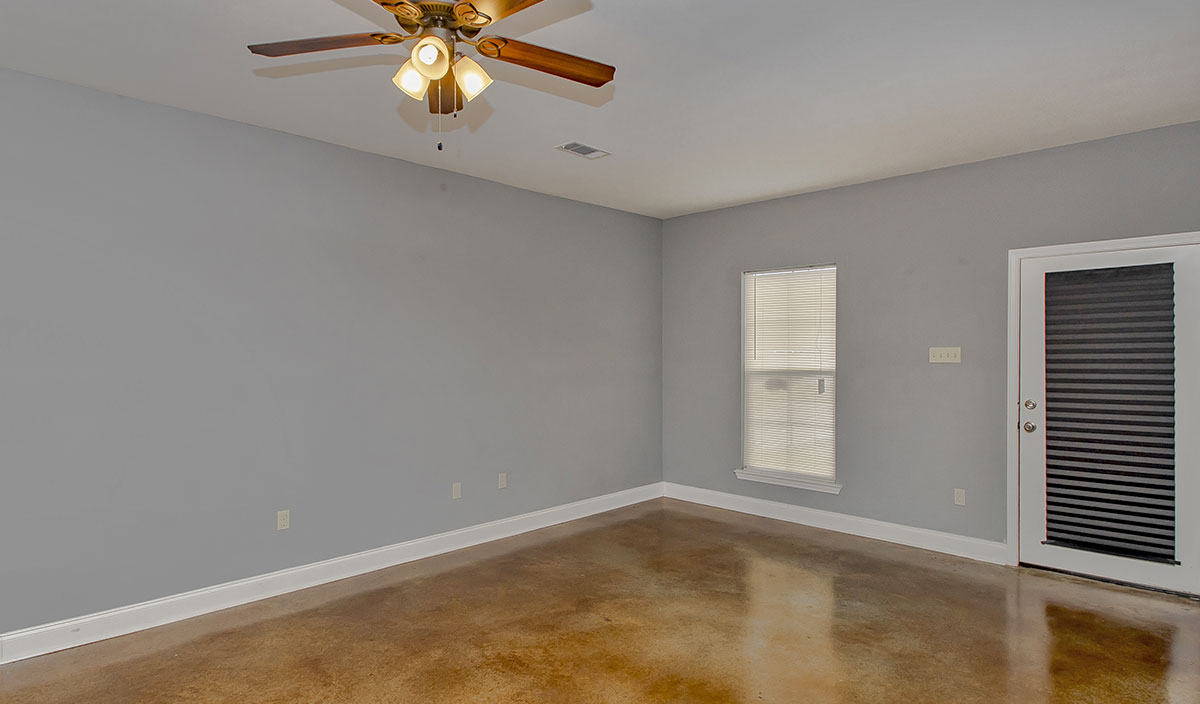
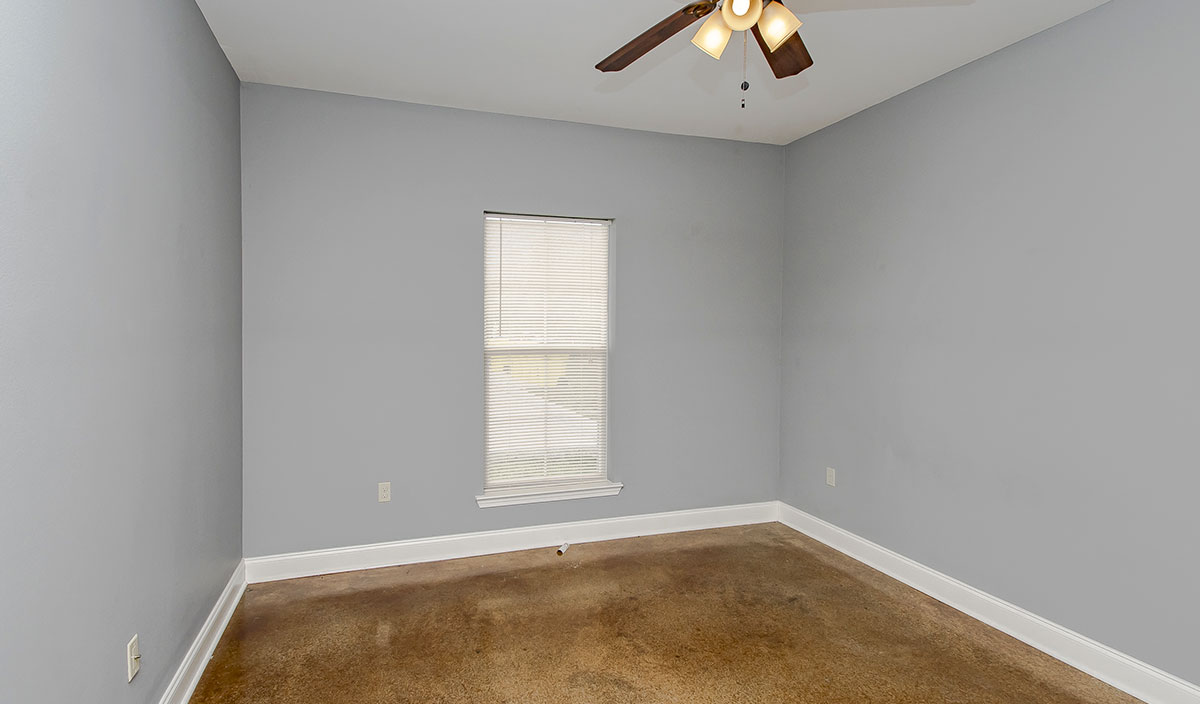
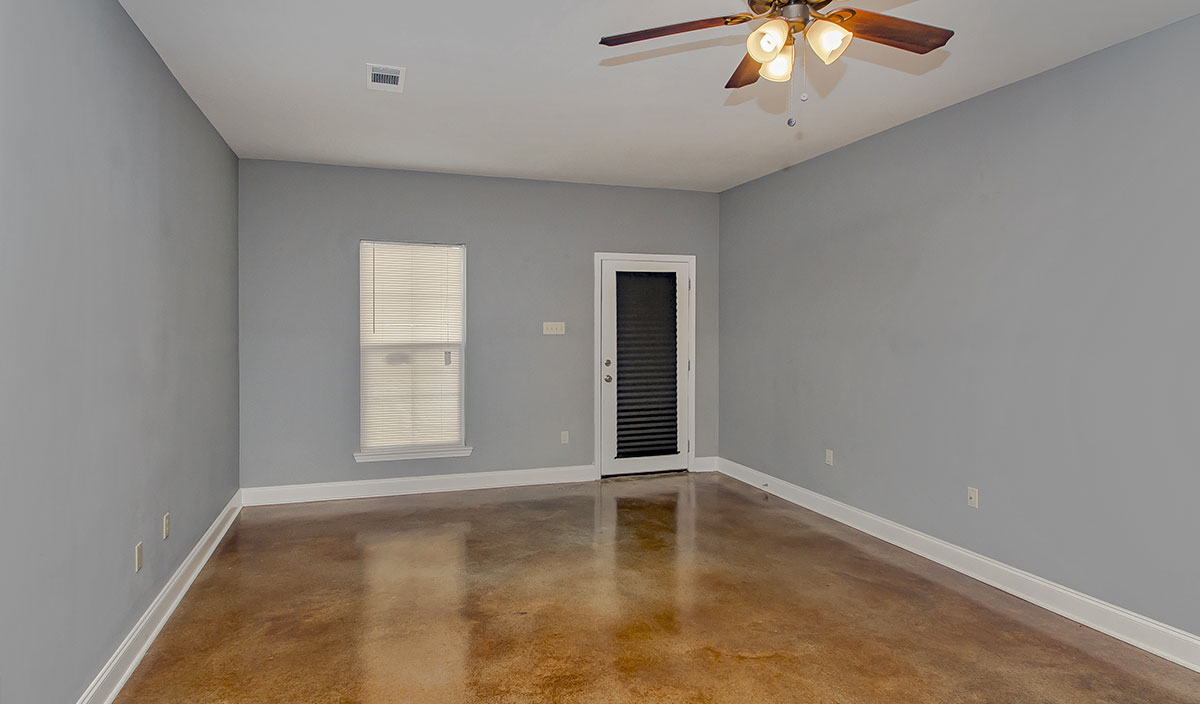
Reserve Your Luxurious Townhome Today!


Where We’re located:
Driving Directions
5650 Magnolia Springs Pkwy, St Gabriel, LA 70721DieselWin registration
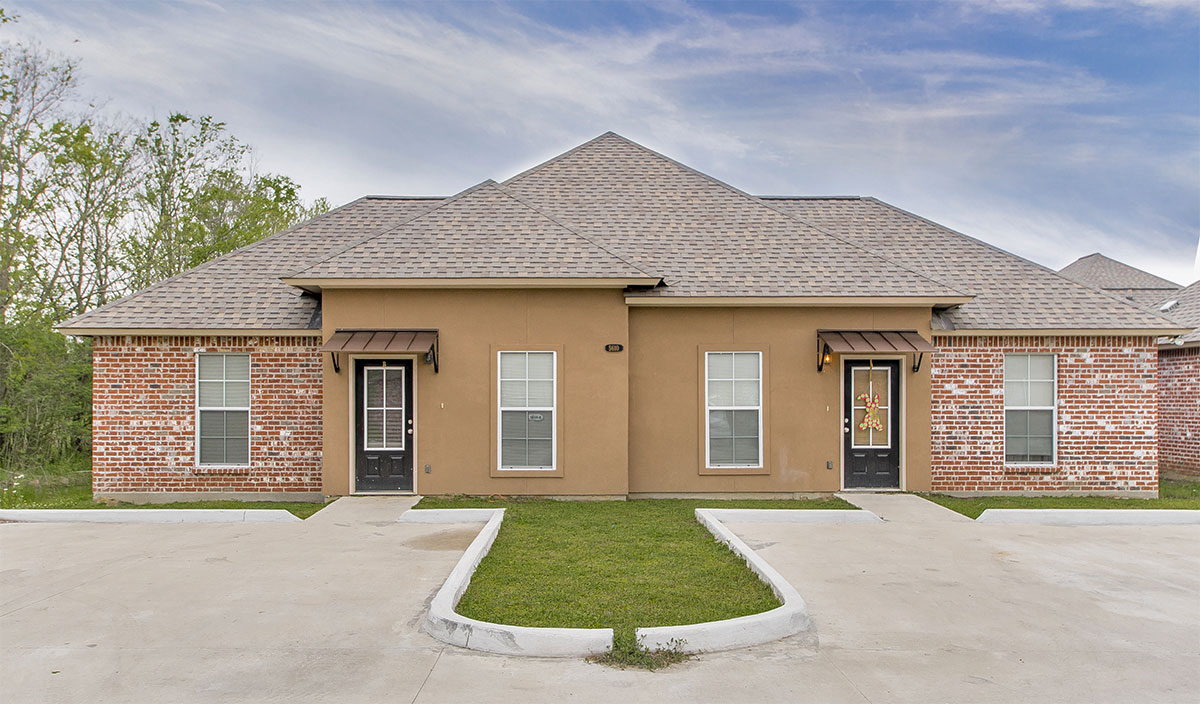
Magnolia Meadows Townhomes | Affordable Luxury in St Gabriel, LA
A Town Home Community


DieselWin registration
Home repairs are an important part of maintaining a property’s safety, functionality, and long-term value. Whether a homeowner is fixing a plumbing leak, replacing damaged materials, updating an outdoor area, or addressing structural concerns, proper preparation can make the process significantly easier.
Starting a repair project without a clear plan can lead to unexpected expenses, delays, and unnecessary complications. By evaluating the problem, establishing a budget, selecting appropriate materials, and coordinating with qualified professionals, homeowners can approach repairs more confidently and achieve better results.
Before beginning any repair, it is important to understand what caused the problem and how much of the property has been affected.
A water stain on a ceiling, for example, may indicate a roof leak, plumbing problem, or condensation issue. Simply repainting the affected surface without addressing the underlying cause could allow the damage to return.
A thorough inspection helps homeowners determine whether a minor repair is sufficient or whether additional work is necessary.
Not all home repairs have the same level of urgency. Problems involving electrical hazards, active water leaks, structural instability, or damaged heating equipment may require immediate professional attention.
Homeowners should address safety concerns before beginning cosmetic improvements. If a repair involves unfamiliar equipment, electrical wiring, gas connections, or structural components, hiring a qualified professional is generally safer than attempting the work without the necessary experience.
Establishing priorities also helps homeowners allocate their budgets more effectively.
Plumbing problems can affect walls, flooring, cabinetry, and other parts of a home. Even a small leak can create significant damage if it remains unnoticed.
Before installing new flooring or renovating a bathroom, homeowners should inspect existing plumbing and identify any necessary repairs.
Working with a professional provider such as Drain Masters Plumbing may be useful when evaluating drainage problems, pipe damage, fixture issues, or other plumbing concerns.
Completing plumbing repairs before decorative improvements can reduce the likelihood of having to remove newly installed materials later.
Repair projects often involve more than the cost of materials and labor. Permits, inspections, disposal fees, equipment rentals, and unexpected complications may also affect the final expense.
Homeowners should request detailed estimates and establish a realistic budget before work begins.
It is also helpful to reserve part of the budget for unexpected problems, particularly when repairing older homes where hidden damage may become visible after construction starts.
Selecting qualified professionals is an important part of preparing for major repairs.
Homeowners should review a contractor’s experience, references, insurance, applicable licensing, and previous work. Written estimates should clearly explain the scope of the project, expected costs, materials, and estimated completion schedule.
For larger renovations involving multiple trades, a company such as Capital Construction Inc. may be considered when researching construction professionals who can help coordinate the required work.
Clear communication before signing an agreement can help prevent misunderstandings throughout the project.
Material selection can affect the cost, appearance, durability, and timeline of a repair.
Homeowners should consider whether replacement materials are compatible with the existing structure and appropriate for the intended use. Flooring, roofing products, exterior finishes, and plumbing components all have different performance and maintenance requirements.
Ordering materials in advance can also help prevent delays caused by unavailable products or unexpected delivery times.
Exterior projects may require additional preparation to protect landscaping, walkways, driveways, and surrounding structures.
Before starting a project, homeowners should determine whether plants need to be moved, trees require trimming, or drainage improvements should be completed.
For landscaping and outdoor improvement projects, suppliers such as My Landscape Supply Ltd. may be useful when researching materials for planting beds, drainage work, soil preparation, or other property improvements.
Planning these details early can reduce unnecessary disruption and help preserve existing outdoor features.
Some repairs require permits or professional inspections, depending on the type of work and local regulations.
Structural modifications, electrical upgrades, plumbing changes, and major construction projects may be subject to specific requirements.
Homeowners should confirm which permits are necessary before beginning work. Failing to obtain required approvals can create complications during inspections, future renovations, or property sales.
A realistic timeline helps homeowners coordinate contractors, material deliveries, inspections, and household activities.
Some repairs can be completed in a single day, while larger projects may involve several stages. Work that depends on other tasks should be scheduled in the correct order.
For example, damaged plumbing should generally be repaired before drywall is replaced, and structural repairs should be completed before new flooring is installed.
Planning the sequence can reduce duplicated work and unnecessary delays.
Home repairs can generate dust, debris, moisture, and noise. Preparing the work area can help protect household belongings and make it easier for contractors to complete their tasks.
Furniture, electronics, decorations, and other valuable items should be moved or covered when necessary.
Homeowners may also need to establish temporary access routes or relocate certain household activities while repairs are underway.
Good communication is essential when several people are involved in a repair project.
Homeowners should discuss working hours, access arrangements, cleanup responsibilities, material choices, and procedures for approving additional work.
Any significant changes to the original project should be documented, including their impact on the budget and schedule.
This helps everyone understand their responsibilities and reduces the likelihood of disagreements.
A repair project can also provide an opportunity to improve the property’s long-term condition.
When replacing damaged materials, homeowners may want to consider products that offer better durability, easier maintenance, or improved energy efficiency.
For example, repairing an exterior wall may provide an opportunity to address insulation or moisture protection. Replacing damaged flooring may also be a chance to investigate underlying subfloor problems.
Thinking beyond the immediate repair can help prevent recurring issues.
Once a project is finished, homeowners should retain important documentation.
Invoices, warranties, permits, inspection reports, photographs, and contractor information can all be useful for future maintenance.
Keeping these records organized makes it easier to track previous repairs and may provide valuable information when selling the property.
Successful home repairs begin before the first tool is picked up. Understanding the problem, identifying safety concerns, setting a budget, selecting qualified professionals, and organizing materials can all contribute to a smoother project.
Proper preparation also helps homeowners avoid unnecessary expenses and make informed decisions when unexpected issues arise.
By approaching repairs with a clear plan, property owners can protect their investment, reduce disruption, and ensure that completed improvements continue serving their homes for years to come.
A successful renovation should do more than improve the appearance of a home today. The best projects also consider how the property will function years from now. Families grow, routines change, systems age, and maintenance needs increase over time, so thoughtful planning can help homeowners avoid having to redo major work later.
By focusing on durability, flexibility, and the condition of essential home systems, a renovation can provide lasting value and comfort.
Before selecting flooring, cabinets, paint colors, or decorative finishes, it is important to understand the condition of the home’s major systems.
Roofing, plumbing, HVAC equipment, electrical wiring, drainage, and structural components should all be reviewed before significant interior work begins. A problem in one of these areas can damage newly renovated spaces if it is not addressed first.
For example, if the roof is nearing the end of its useful life, working with a qualified roofing company before completing interior upgrades can help reduce the risk of future water damage.
Plumbing changes can be expensive once walls, flooring, and cabinetry are already finished.
During a renovation, homeowners should consider whether pipes, drains, shutoff valves, or fixtures are outdated. If bathrooms or kitchens are being redesigned, it may also be a good opportunity to improve the plumbing layout.
Professional decatur plumbing services can be useful when evaluating older piping or planning changes that need to support future fixtures and appliances.
Thoughtful plumbing updates can make future maintenance easier and reduce the need to open finished walls later.
Homes with septic systems require additional planning when renovations increase the number of bedrooms, bathrooms, or occupants.
The existing system should be evaluated to determine whether it has adequate capacity and is in good condition. Companies such as https://eckmayerinc.com/ may be relevant when inspection, maintenance, or septic-related work needs to be coordinated with a larger renovation.
Ignoring the septic system during planning can lead to expensive problems after the rest of the project is complete.
Changing a home’s layout can affect heating and cooling performance. Removing walls, adding rooms, finishing basements, or creating larger open spaces may change airflow and system requirements.
Before construction begins, homeowners may want to have the HVAC system evaluated. A provider such as https://www.allairhomeservices.com/ can help assess whether existing equipment and ductwork are suitable for the renovated space.
Planning HVAC changes early also makes it easier to conceal ducts, vents, and other components within the finished design.
Long-term renovations should prioritize materials that can withstand regular use.
Flooring should suit the amount of foot traffic in the room, while countertops should resist the types of wear expected in kitchens and bathrooms. Cabinet hardware, plumbing fixtures, doors, and trim should also be selected with durability in mind.
Materials that require frequent refinishing or specialized maintenance may be less practical for busy households.
A room’s purpose may change several times during the life of a home.
A guest bedroom may eventually become an office, nursery, hobby room, or space for an older family member. Designing rooms with flexible lighting, electrical outlets, storage, and furniture layouts can make these transitions easier.
Built-in features should also be planned carefully so they do not make future changes unnecessarily difficult.
Even homeowners who do not currently need accessibility features may benefit from considering them during a major renovation.
Wider doorways, fewer changes in floor height, walk-in showers, comfortable stairways, and easy-to-reach storage can improve convenience for people of many ages.
These features can make the home easier to use over time without making it feel institutional or overly specialized.
Lack of storage is a common reason homes begin to feel cluttered.
Renovations provide an opportunity to add closets, built-in shelving, pantry space, garage storage, or better cabinetry. Storage should be placed where belongings are actually used rather than added simply because space is available.
Well-planned storage can help rooms remain functional as household needs change.
Renovation work can also be an opportunity to improve energy performance.
Adding insulation, sealing air leaks, replacing inefficient windows, installing efficient lighting, and upgrading heating or cooling equipment can reduce unnecessary energy use.
These improvements may be especially worthwhile when walls, ceilings, or other building components are already being opened as part of the project.
One frequently overlooked part of renovation planning is service access.
Plumbing shutoffs, electrical panels, HVAC equipment, filters, cleanouts, and other important components should remain easy to reach after construction is complete.
Hiding these systems permanently behind finished walls may create unnecessary damage and expense when maintenance is eventually required.
Planning a renovation for long-term use means thinking beyond appearance. Roofing, plumbing, septic systems, HVAC equipment, durable materials, flexible layouts, storage, and accessibility all influence how well the home will function in the years ahead.
By addressing essential systems early and choosing improvements that can adapt to changing needs, homeowners can create a renovation that remains practical, comfortable, and valuable long after the construction work is finished.
Managing an apartment community requires more than responding to repair requests as they happen. A strong preventive maintenance program can help property managers identify problems early, reduce emergency calls, control long-term costs, and keep shared spaces safer and more comfortable for residents.
The most effective approach combines regular inspections, scheduled servicing, good recordkeeping, and clear priorities across both individual units and common areas.
Preventive maintenance works best when recurring tasks are planned in advance.
Property managers can organize inspections and service by frequency, such as monthly, quarterly, seasonal, or annual. This may include checking mechanical systems, roofs, drainage, lighting, plumbing fixtures, safety equipment, and exterior surfaces.
A structured schedule helps reduce the chance that important tasks are overlooked during busy periods.
Heating and cooling systems are among the most important components in an apartment community because failures can affect resident comfort quickly.
Filters, thermostats, condensate drains, electrical connections, and outdoor equipment should be checked on a regular basis. When individual systems begin showing signs of trouble, arranging professional service such as williamstown air conditioning repair before a complete breakdown occurs can help reduce emergency disruptions and more expensive repairs.
Parking areas experience constant wear from vehicles, weather, drainage, and seasonal temperature changes.
Cracks, potholes, faded striping, damaged curbs, and poor drainage should be addressed before they become larger problems. Regular parking lot maintenance can improve appearance, reduce trip hazards, and help extend the life of paved surfaces.
Managers should also inspect accessible spaces, loading areas, speed bumps, and pedestrian crossings.
Small plumbing issues can quickly affect multiple units.
Leaking faucets, slow drains, running toilets, damaged supply lines, and water pressure changes should be investigated promptly. Common plumbing stacks and shared lines may also require periodic inspection.
Preventive attention is especially important because hidden water leaks can damage drywall, flooring, cabinets, and units below.
Roofs, gutters, drains, and downspouts should be checked regularly, particularly before and after severe weather.
Look for damaged roofing materials, clogged drains, standing water, loose flashing, and signs of leaks inside upper-floor units.
Keeping drainage systems clear helps reduce the risk of water reaching walls, foundations, or interior spaces.
Hallways, stairwells, elevators, laundry rooms, lobbies, and recreational areas experience heavy daily use.
Inspect flooring, handrails, doors, lighting, furniture, and other fixtures routinely. Small repairs in shared spaces should be completed quickly because these areas influence both safety and residents’ overall impression of the property.
Exterior lighting supports visibility and security throughout the community.
Walkways, entrances, parking areas, staircases, and building numbers should remain well illuminated.
Replace burned-out bulbs promptly and inspect fixtures for damage, loose wiring, or poor positioning.
Landscaping should be maintained with both appearance and building protection in mind.
Trees and shrubs should be trimmed away from roofs, siding, windows, and utility equipment. Irrigation systems should also be checked for leaks or overspray that could damage pavement or building foundations.
Keeping vegetation under control can reduce maintenance problems while making the property look more cared for.
Vacant units provide an opportunity to inspect components that may be difficult to evaluate while occupied.
During turnover, check appliances, plumbing fixtures, flooring, windows, doors, smoke alarms, electrical outlets, and HVAC operation.
Keeping a standardized turnover checklist can help ensure that each unit is inspected consistently before the next resident moves in.
Accurate records make preventive maintenance more effective.
Track inspections, repairs, equipment age, warranties, service dates, vendor information, and recurring problems.
Over time, these records can reveal patterns. If the same building or system requires repeated repairs, replacement may be more cost-effective than continuing to address the same issue.
Not every maintenance task has the same urgency.
Problems involving electrical hazards, water intrusion, broken handrails, damaged stairs, fire protection systems, or major mechanical failures should take priority over cosmetic concerns.
A clear priority system helps maintenance teams respond consistently and use resources where they matter most.
Apartment communities often rely on outside contractors for specialized work.
Establishing relationships with reliable HVAC, roofing, plumbing, electrical, paving, landscaping, and restoration contractors before an emergency occurs can make response times faster.
Managers should also keep updated contact information, insurance documents, and service agreements readily available.
Each season can create different maintenance demands.
Before winter, managers may focus on heating systems, roof conditions, and weatherproofing. Warmer months may require more attention to cooling systems, landscaping, pavement, and exterior surfaces.
Seasonal inspections make it easier to prepare the property before conditions become more demanding.
Preventive maintenance should also support capital planning.
Roofs, HVAC equipment, pavement, appliances, and other systems all have limited service lives. Estimating when these components may need replacement allows property owners to budget gradually rather than reacting to unexpected failures.
A long-term maintenance plan can also help prevent several major projects from becoming necessary at the same time.
A well-maintained apartment community is generally easier to operate and less likely to experience repeated emergencies.
Regular inspections, scheduled servicing, accurate records, and timely repairs can help property managers protect buildings, control expenses, and provide residents with a safer and more dependable living environment.
By addressing problems before they become urgent, apartment communities can reduce disruption while preserving the condition and value of the property over time.
A home is exposed to weather, moisture, everyday use, and gradual material deterioration throughout the year. While major repairs occasionally become necessary, many expensive problems can be avoided or reduced through consistent maintenance.
Taking care of roofing, exterior surfaces, landscaping, plumbing, and structural components before significant damage develops can help homeowners protect their property and make long-term expenses more predictable.
Trees add shade, privacy, and character to a property, but they can also create maintenance concerns when branches grow too close to the house. Limbs may scrape roofing or siding during windy weather, while fallen branches can damage gutters, windows, and other exterior features.
Homeowners dealing with overgrown or potentially hazardous trees may consider professional assistance from Arboraxepert as part of a broader property maintenance plan. Regular pruning can also improve airflow and reduce the amount of debris collecting on roofs and in gutters.
Exterior paint does more than improve appearance. It also helps protect siding, trim, doors, and other materials from moisture and weather exposure.
Peeling, cracking, or blistering paint can leave underlying surfaces vulnerable to deterioration. Addressing these areas early is usually easier than repairing extensive wood rot or replacing damaged exterior materials later.
When larger sections of a property need attention, working with professionals such as Blue Mountain Painting LLC can help restore protective finishes and give the exterior a cleaner, better-maintained appearance.
Roof problems can cause damage far beyond the roofing materials themselves. Water entering through damaged shingles, flashing, vents, or seals may eventually reach insulation, ceilings, walls, and structural framing.
Inspect the roof periodically and after severe storms. Missing materials, damaged flashing, sagging areas, or visible staining should be investigated promptly.
Gutters and downspouts should also remain clear so water can drain away efficiently.
Proper drainage is essential for protecting foundations and lower levels of a home.
Downspouts should direct water away from exterior walls, and landscaping should generally be graded so rainwater does not collect against the foundation. Standing water may contribute to erosion, basement moisture, or other problems over time.
Small drainage improvements can sometimes prevent far more expensive repairs.
Cracks, uneven floors, movement around doors and windows, or unusual changes in the structure deserve attention.
Not every crack indicates a serious problem, but significant or changing conditions may require professional evaluation. When homeowners are planning substantial structural improvements or additions, an experienced builder such as the one found at https://builtrocksolid.us/ may be useful when evaluating larger construction needs.
A small plumbing leak can damage cabinets, flooring, drywall, and structural materials if it continues unnoticed.
Periodically check areas beneath sinks, around toilets, near water heaters, and around appliance connections. Water stains, unusual odors, or unexpected increases in water consumption may indicate a hidden problem.
Replacing a worn connection or valve early can be much less expensive than restoring an entire water-damaged room.
HVAC equipment generally performs better when it receives routine maintenance. Dirty filters, restricted airflow, worn components, and neglected coils can make systems work harder than necessary.
Replace filters according to manufacturer recommendations and schedule professional servicing when appropriate. Unusual sounds, weak airflow, or inconsistent temperatures can indicate that repairs are needed.
Windows and exterior doors are important barriers against both moisture and outside air.
Inspect caulking, weatherstripping, frames, locks, and glass periodically. Damaged seals can contribute to drafts and energy loss, while deteriorated frames may eventually allow moisture into walls.
Small sealing repairs are generally easier to complete before surrounding materials become damaged.
Decks and porches experience constant exposure to sunlight, rain, snow, and temperature changes.
Loose boards, deteriorated railings, damaged fasteners, and areas of wood rot should be corrected before they become safety concerns. Periodic staining or sealing may also help protect appropriate materials from moisture.
Additional buildings can provide valuable storage, guest space, offices, or workshops, but they also add maintenance responsibilities.
Homeowners working with tiny home contractors should consider roofing, siding, insulation, utilities, drainage, and access when planning a smaller structure. Choosing durable materials and planning maintenance from the beginning can help reduce future repair requirements.
Driveways, walkways, patios, and steps can develop cracks as they age.
Smaller cracks may allow water to penetrate, which can contribute to further deterioration during freeze-and-thaw cycles in colder climates. Repairing damaged sections early may help extend the usable life of these surfaces.
Uneven areas should also receive attention if they create a trip hazard.
Attics, basements, and crawl spaces can reveal problems that are not yet noticeable in the main living areas.
Check for water stains, musty odors, damp insulation, condensation, or visible mold. These signs may indicate roofing leaks, plumbing problems, poor ventilation, or exterior drainage concerns.
Finding the underlying source is important rather than simply covering or cleaning the visible damage.
Homeowners should pay attention to unusual electrical behavior such as flickering lights, warm outlets, buzzing switches, or breakers that trip repeatedly.
Electrical repairs should generally be completed by a qualified professional. Addressing warning signs promptly can protect equipment and reduce potential safety concerns.
Home maintenance becomes easier when responsibilities are spread throughout the year.
Spring can be a good time to inspect roofing, drainage, trees, and exterior surfaces. Summer may be suitable for painting and outdoor repairs, while fall can focus on gutters, heating equipment, and weather sealing.
A simple checklist can make it easier to remember recurring tasks.
Maintain documentation showing when major systems were inspected, serviced, repaired, or replaced.
Records for roofing, HVAC equipment, plumbing, painting, electrical work, and structural improvements can help homeowners determine what maintenance may be needed next. Documentation can also be useful when eventually selling the property.
Protecting a home over time depends largely on addressing ordinary wear before it develops into significant damage. Tree maintenance, exterior painting, roofing inspections, plumbing checks, drainage improvements, Villa Park HVAC services, and structural monitoring can all contribute to a healthier property.
By following a consistent maintenance schedule and responding promptly to warning signs, homeowners can extend the life of important components, reduce the likelihood of unexpected repairs, and preserve the comfort and value of their home for years to come.
Plumbing problems can escalate quickly. A leaking pipe, overflowing toilet, failed water heater, or backed-up drain can damage flooring, walls, cabinets, and personal belongings in a short period of time.
Knowing how to respond before a plumber arrives can help reduce damage and make the repair process easier. Homeowners should also understand which problems require immediate attention and which can safely wait for a scheduled service appointment.
Every homeowner should know how to shut off the main water supply.
In a serious leak, stopping the flow of water can prevent extensive damage.
The main shutoff valve may be located near the water meter, in a basement, utility room, garage, or outside the home.
It is worth locating and testing it before an emergency happens.
Many fixtures have individual shutoff valves.
Toilets, sinks, washing machines, and some appliances can often be isolated without turning off water to the entire house.
This can be useful when the problem is limited to one area.
Older valves may become difficult to turn, so inspect them periodically.
A burst pipe can release a large amount of water very quickly.
Turn off the main water supply immediately.
If water is near electrical outlets, appliances, or wiring, avoid entering the area if there is any risk of electrical contact.
Professional plumbing and, when necessary, electrical assistance may be required.
Not every plumbing emergency is obvious.
Water stains, damp drywall, warped flooring, musty odors, or an unexplained increase in the water bill may indicate a concealed leak.
Hidden leaks can continue damaging the structure long before water becomes visible.
Prompt investigation can help limit the extent of repairs.
An overflowing toilet can quickly create unsanitary conditions.
Turn off the fixture’s water supply and avoid flushing again.
If the problem appears to involve a simple blockage, a plunger may help.
Recurring overflows or backups affecting multiple fixtures may indicate a more serious drainage problem.
One slow drain is often a localized problem.
Several slow drains at the same time may indicate a blockage deeper in the plumbing system.
Gurgling toilets, sewage odors, or water backing up into lower fixtures can also be warning signs.
These symptoms should be addressed promptly before a complete backup occurs.
The main sewer line carries wastewater away from the property.
Tree roots, grease, collapsed piping, foreign objects, and accumulated debris can all interfere with flow.
Depending on the cause, sewer line cleaning may be part of the solution, although damaged or collapsed piping may require more extensive repair.
A proper diagnosis is important before deciding how to proceed.
Chemical drain cleaners may appear convenient, but they are not appropriate for every blockage.
Some products can damage certain plumbing materials or create hazardous conditions for anyone later working on the drain.
They also do not solve structural problems or significant sewer obstructions.
Mechanical cleaning or professional inspection may be a better option for recurring issues.
Sewage entering a home can create health hazards.
Avoid direct contact with contaminated water.
Keep children and pets away from affected areas.
Professional plumbing and cleanup services may be necessary depending on the severity of the backup.
Damaged porous materials may also require removal.
Water heaters can fail suddenly.
Water around the base, corrosion, unusual noises, or rapidly changing water temperature may indicate a problem.
If a tank is actively leaking, shutting off its water supply may help limit damage.
Gas or electrical connections should be handled carefully and according to manufacturer and professional guidance.
Gas-powered water heaters require additional attention.
If you smell gas, leave the area and follow local emergency procedures.
Do not operate electrical switches or attempt repairs yourself.
Gas leaks can create serious fire and explosion risks.
A qualified professional should evaluate the equipment.
Cold weather can cause water inside pipes to freeze and expand.
This can split or weaken piping.
Insulating vulnerable pipes and maintaining appropriate indoor temperatures can reduce risk.
If a pipe freezes, avoid using open flames to thaw it.
A damaged pipe may begin leaking as soon as the ice melts.
Washing machine hoses can fail and release large amounts of water.
Check them periodically for bulges, cracks, corrosion, or loose connections.
Replacing aging hoses before they fail is relatively inexpensive compared with repairing water damage.
Shutting off the washing machine supply valves when the property will be vacant for a long period may also reduce risk.
Small leaks under sinks can remain unnoticed for weeks or months.
Look for dampness, staining, warped cabinet materials, or corrosion around connections.
A slow leak can eventually damage cabinetry and flooring.
Regular checks take only a few minutes and can reveal problems early.
Water stains on a ceiling often indicate a leak above.
The source could be plumbing, an appliance, or the roof.
Do not simply repaint the stain.
The underlying problem should be located and repaired first.
Sagging or heavily saturated ceilings may require urgent attention because damaged material can collapse.
Water and electricity can create dangerous conditions.
If flooding or a leak reaches outlets, wiring, appliances, or the electrical panel, avoid touching affected areas.
The safest response may involve shutting off power from a dry and safe location, but only if this can be done without entering a hazardous area.
When in doubt, contact appropriate emergency professionals.
If it can be done safely, move furniture, electronics, rugs, and valuable items away from the affected area.
This can reduce property damage while waiting for repairs.
Do not prioritize belongings over personal safety.
Standing water near electrical equipment should always be treated cautiously.
Small amounts of clean water may sometimes be removed with towels, mops, or a wet vacuum.
However, contaminated water or flooding near electrical systems requires additional precautions.
Large water losses may also require professional extraction and drying.
Fast drying can reduce the risk of mold and secondary damage.
Photographs can be useful for insurance and repair records.
Document the source of the leak, affected areas, damaged belongings, and temporary measures taken.
Take photos before significant cleanup when possible. These photos, as well as a thorough inspection, can help determine if the water damage pemanent or repairable.
Keep receipts for emergency repairs and water-removal services.
When calling for emergency service, describe the problem as accurately as possible.
Useful information includes:
Clear information can help the plumber understand the urgency and arrive prepared.
After-hours plumbing service can cost more than scheduled daytime work.
Ask how emergency rates are structured.
There may be service-call fees, minimum charges, or higher hourly rates.
In a true emergency, immediate service may still be necessary, but understanding the pricing can prevent surprises.
Temporary repairs can stop immediate damage, but the underlying cause still needs attention.
For example, tightening a fitting may stop a leak, but corrosion or damaged piping nearby may indicate a larger issue.
Ask what caused the problem and whether additional repairs are recommended.
A lasting solution is usually better than repeatedly treating the same symptom.
Recurring sewer or drain issues may require more detailed investigation.
A plumbing camera can sometimes reveal roots, cracks, offsets, blockages, or collapsed sections.
This can help determine whether cleaning alone is sufficient.
Accurate diagnosis can prevent unnecessary excavation or repeated service calls.
Plumbers may need to reach shutoff valves, cleanouts, water heaters, crawl spaces, or mechanical rooms.
Keeping these areas accessible can speed up emergency repairs.
Avoid permanently covering important access points with storage or built-in finishes.
Clear access can also make routine maintenance easier.
Many homes have a cleanout that provides access to the main drainage system.
Knowing its location can save time during a backup.
Cleanouts may be found inside basements, crawl spaces, garages, or outside near the foundation.
Do not open one during a severe backup unless you understand the potential for sewage to escape.
Cooking grease can create serious drain problems.
Avoid pouring fats, oils, or grease down kitchen sinks.
Even if grease is liquid when poured, it can cool and accumulate inside pipes.
Dispose of it appropriately instead.
This simple habit can reduce the likelihood of kitchen and sewer blockages.
Toilets are designed for human waste and toilet paper.
Wipes, paper towels, hygiene products, and other materials can contribute to blockages.
Products marketed as flushable may still create problems in some plumbing systems.
Keeping inappropriate items out of drains is one of the easiest forms of prevention.
Older homes may contain aging pipes, valves, and fittings.
Corrosion, mineral buildup, and deteriorating joints can increase the risk of leaks.
Periodic professional inspection can help identify vulnerable areas.
Replacing small sections proactively may be easier than dealing with a major failure later.
Modern leak sensors can alert homeowners when water is detected in vulnerable areas.
More advanced systems may monitor water use and automatically shut off the supply when unusual flow is detected.
These devices can be particularly useful near water heaters, washing machines, and mechanical rooms.
They do not replace maintenance, but they may provide earlier warning.
Plumbing damage can become much worse when nobody is home to notice it.
Before an extended trip, check for leaks and consider shutting off appropriate water supplies.
In cold climates, make sure the property is protected against freezing.
A trusted person can also periodically inspect the home.
Store the contact information for a trusted plumber somewhere accessible.
Also keep numbers for the water utility, electrician, restoration company, and insurance provider if appropriate.
Having these contacts ready can reduce stress during an emergency.
It is easier to research contractors before a crisis than while water is actively damaging the home.
Water damage coverage varies by policy and cause.
A sudden pipe failure may be treated differently from gradual leakage, flooding, or sewer backup.
Review the policy before an emergency so you understand major exclusions and optional endorsements.
Insurance questions should be directed to the insurer or a qualified insurance professional.
Many emergency repairs begin as small maintenance problems.
Routine inspections may identify corrosion, loose connections, damaged valves, slow drains, or aging equipment before failure occurs.
Preventive service can be especially valuable in older homes or properties with a history of plumbing problems.
Emergency plumbing repairs require quick action, but the first priority should always be safety.
Knowing how to shut off the water, recognizing signs of serious drain or sewer problems, protecting belongings, and contacting qualified help can significantly reduce damage.
Homeowners can also lower the risk of emergencies by maintaining plumbing systems, monitoring older equipment, avoiding inappropriate items in drains, and addressing small leaks promptly.
A little preparation can make a major plumbing problem much easier to manage when it happens.
Improving your home does not always require extensive construction, major structural changes, or a large remodeling budget. Sometimes, smaller upgrades can make a noticeable difference in comfort, functionality, and appearance. From refreshing interior finishes to improving outdoor spaces, there are plenty of practical ways to make a home feel newer without taking on a complete renovation.
The key is identifying improvements that offer meaningful benefits while minimizing disruption to everyday life. With thoughtful planning and a few targeted projects, homeowners can create a more attractive and comfortable living environment without committing to months of construction.
Painting is one of the simplest ways to transform the appearance of a room. A fresh coat of paint can make outdated interiors feel cleaner, brighter, and more inviting.
Neutral colors such as warm white, beige, and soft gray can create a versatile backdrop that works with different furniture styles. Homeowners who prefer a more distinctive appearance can introduce accent walls or experiment with deeper colors in smaller spaces.
Before painting, inspect walls for cracks, peeling finishes, and other surface imperfections. Repairing these issues before applying new paint helps achieve a smoother and more professional result.
Updating trim, doors, and baseboards can further enhance the finished appearance without requiring structural changes.
Lighting has a significant influence on how a home looks and feels. Outdated fixtures or poorly positioned lights can make rooms appear smaller and less comfortable.
Replacing old fixtures with modern alternatives can provide an immediate visual improvement. Pendant lights above kitchen islands, wall sconces in hallways, and adjustable lighting in living areas can make spaces more functional.
LED bulbs are another practical upgrade because they consume less electricity than traditional incandescent bulbs and typically last longer.
Homeowners may also consider installing dimmer switches, motion sensors, or smart lighting controls.
If an electrical issue requires immediate attention during an upgrade, a 24 hour electrician may be able to address urgent problems before additional improvements continue.
Electrical modifications should always be completed safely and in accordance with applicable building requirements.
Kitchen and bathroom cabinets can often be refreshed without replacing them entirely.
Changing handles, knobs, and drawer pulls is a relatively inexpensive way to modernize cabinetry. Matte black, brushed nickel, and brass finishes can complement a variety of interior design styles.
Homeowners can also repaint or refinish cabinet doors to achieve a more substantial transformation.
For an additional functional improvement, consider installing soft-close hinges, pull-out organizers, or adjustable shelving.
These small changes can make cabinets easier to use while improving the overall appearance of the room.
The entryway creates the first impression of a home, making it an excellent location for smaller upgrades.
Replacing an outdated front door handle, adding a new doormat, and installing modern exterior lighting can improve the entrance without extensive construction.
A fresh coat of paint on the front door can also introduce color and personality.
Inside the home, a small bench, wall hooks, and a narrow storage cabinet can create a more organized space for shoes, coats, and everyday essentials.
For homeowners who need minor structural repairs or a more involved entrance update, consulting an alvarado general contractor can help clarify which improvements require professional assistance.
A functional entryway can make everyday routines more convenient while improving the home’s overall presentation.
Outdoor improvements can have a significant impact on curb appeal, particularly when existing structures are beginning to look worn.
A weathered fence can make an otherwise well-maintained property appear neglected. Cleaning the surface, repairing damaged sections, and applying a fresh finish can help restore its appearance.
Fence painting is a practical way to refresh an outdoor boundary while providing additional protection when suitable materials and preparation methods are used.
Before applying paint, homeowners should remove dirt, loose finishes, and other surface contaminants. Wooden fences may also require sanding or minor repairs.
Choosing an exterior coating appropriate for the fence material and local weather conditions can help improve the durability of the finished project.
Bathroom upgrades do not always require removing tiles, replacing plumbing, or installing an entirely new vanity.
Simple changes such as replacing mirrors, updating faucets, and installing modern towel bars can improve both appearance and convenience.
A new showerhead may offer improved comfort and water efficiency, while additional shelving can provide useful storage for toiletries and towels.
Recaulking around bathtubs and showers can also improve the bathroom’s appearance and help prevent water from entering vulnerable gaps.
Homeowners looking for a larger visual change without a full remodel may consider refinishing existing cabinets or replacing outdated light fixtures.
These smaller improvements can create a cleaner, more modern bathroom while keeping costs manageable.
Worn or outdated flooring can affect the appearance of an entire home. Fortunately, some flooring improvements can be completed without major structural work.
Luxury vinyl plank flooring, laminate, and certain floating-floor systems may be suitable for installation over an existing surface, depending on its condition and the manufacturer’s requirements.
Area rugs can also provide an immediate improvement without replacing flooring. They can introduce warmth, define seating areas, and help protect high-traffic surfaces.
For homeowners considering a larger flooring update, reviewing available remodeling services through https://integrityconstructionandremodeling.com/ can be part of the process of researching potential project options.
Before installing new flooring, it is important to address moisture problems, uneven surfaces, and damaged subfloors.
Smart home technology can improve convenience without requiring extensive remodeling.
Smart thermostats, video doorbells, programmable lighting, and connected security devices are examples of upgrades that can make daily routines easier.
A smart thermostat can help homeowners manage indoor temperatures according to their schedules, potentially reducing unnecessary heating and cooling.
Smart plugs can also make it easier to control compatible appliances and electronics.
When choosing connected devices, homeowners should consider compatibility with their existing systems, ease of installation, privacy settings, and long-term software support.
Starting with a few useful devices is often more practical than attempting to automate the entire home at once.
A home can feel more spacious and comfortable when everyday belongings have designated storage areas.
Adding floating shelves, closet organizers, and multipurpose furniture can improve functionality without changing the layout.
In kitchens, drawer dividers and pull-out organizers can make cooking supplies easier to access. In bedrooms, under-bed storage and adjustable closet systems can help maximize available space.
Laundry rooms and utility areas may benefit from wall-mounted cabinets or shelving that keeps supplies organized.
The goal is not simply to add more storage but to make frequently used items easier to find and access.
Thoughtful organization can reduce clutter and help existing rooms function more efficiently.
Window treatments can change the appearance and comfort of a room without requiring permanent modifications.
Replacing outdated blinds or curtains with modern alternatives can improve privacy, light control, and visual appeal.
Light-filtering shades can soften natural sunlight, while blackout curtains may be useful in bedrooms where reducing outside light is a priority.
Thermal curtains and well-fitted window coverings can also help reduce heat transfer in certain conditions, although they are not substitutes for proper insulation or efficient windows.
Homeowners should select materials and designs based on the room’s purpose, window orientation, and desired level of privacy.
Coordinating window treatments with wall colors and furniture can create a more cohesive interior.
Patios, balconies, and decks can become more enjoyable with relatively simple improvements.
Adding comfortable seating, outdoor rugs, decorative lighting, and weather-resistant cushions can make these spaces feel like extensions of the home.
Planters and container gardens can introduce greenery without requiring extensive landscaping.
Homeowners with existing decks should inspect the structure for loose boards, damaged railings, and other maintenance concerns before making decorative changes.
Cleaning outdoor surfaces and refinishing suitable materials can also help restore their appearance.
A well-maintained outdoor area can provide additional space for relaxation, dining, and entertaining without the expense of constructing a new addition.
Upgrading a home does not have to involve major renovations or substantial financial commitments. Smaller improvements can deliver noticeable benefits when they address specific needs and complement the property’s existing design.
Fresh paint, improved lighting, updated hardware, practical storage, and refreshed outdoor spaces can all contribute to a more comfortable and functional living environment.
By prioritizing projects based on their impact, cost, and ease of completion, homeowners can make meaningful improvements while avoiding the disruption associated with extensive remodeling.