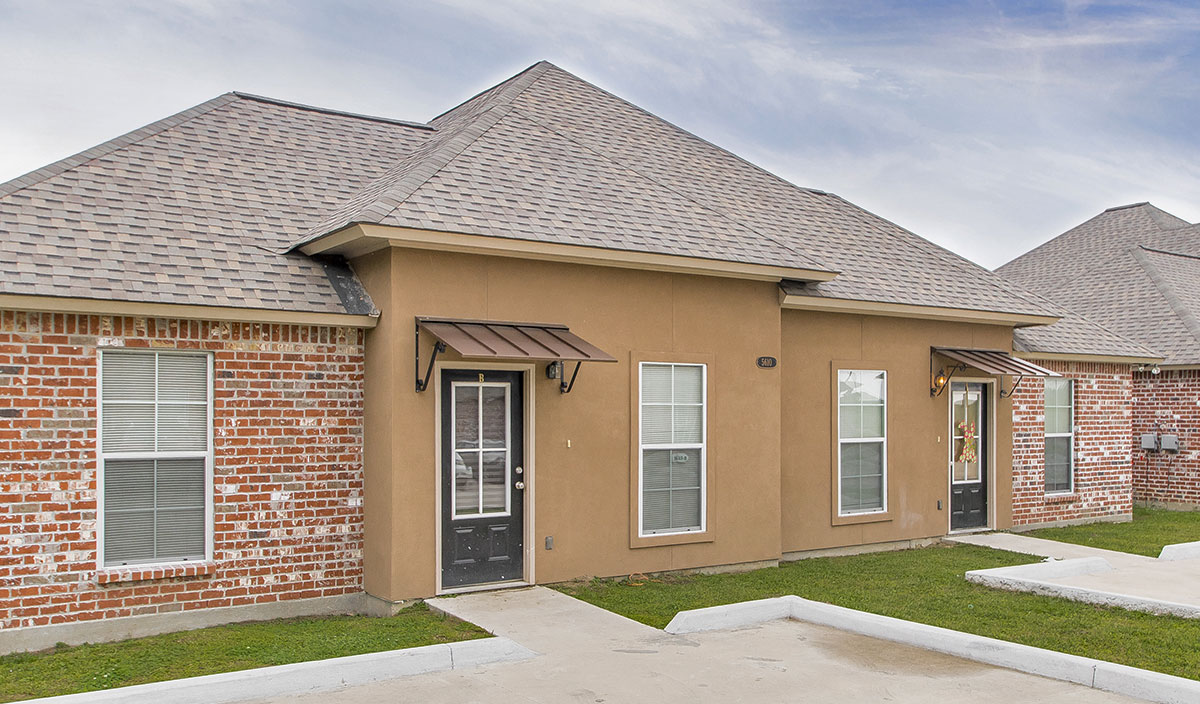
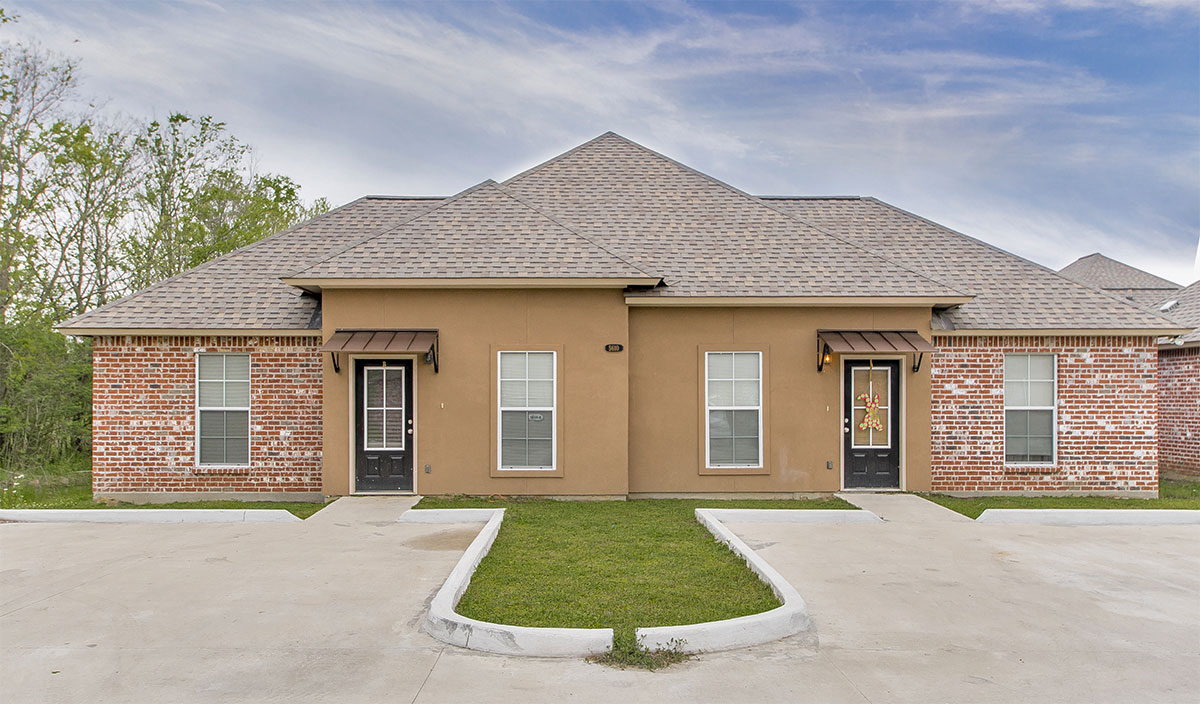
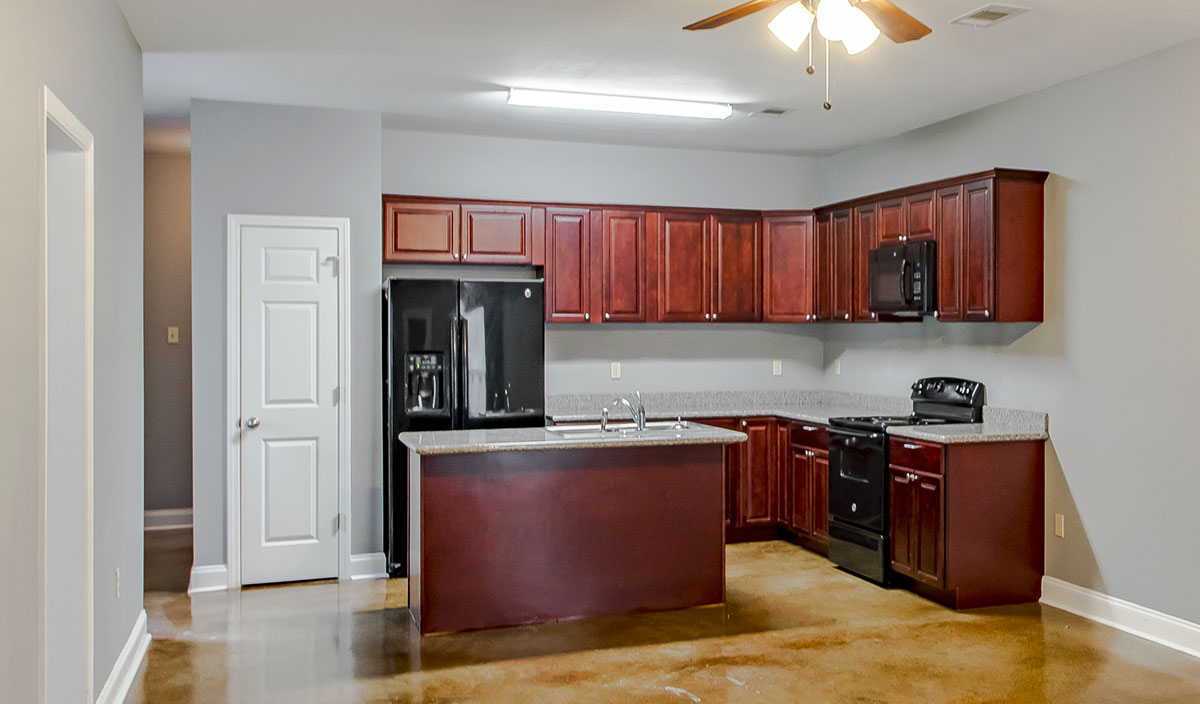
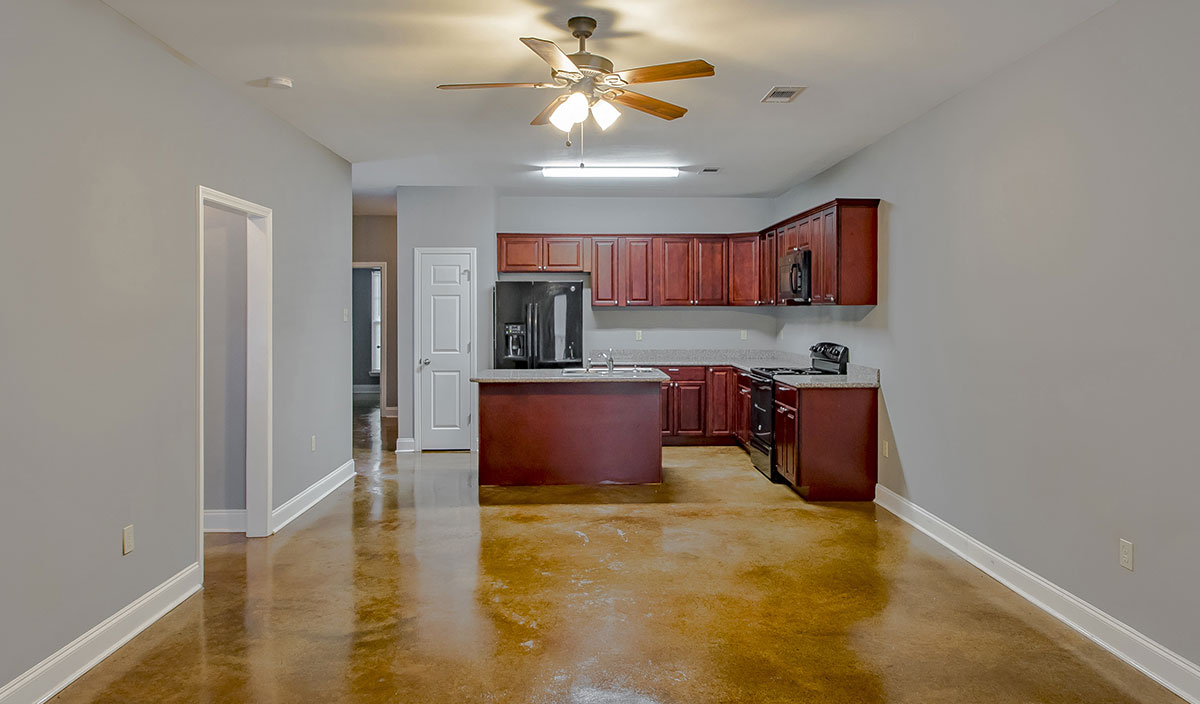
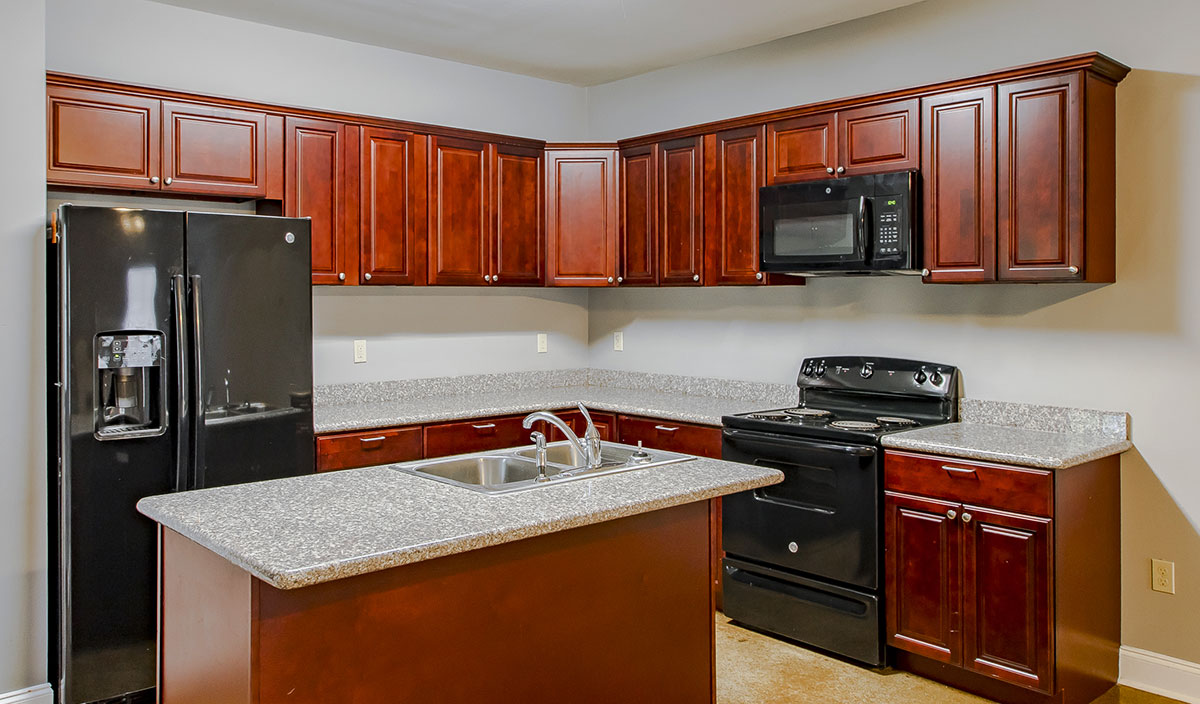
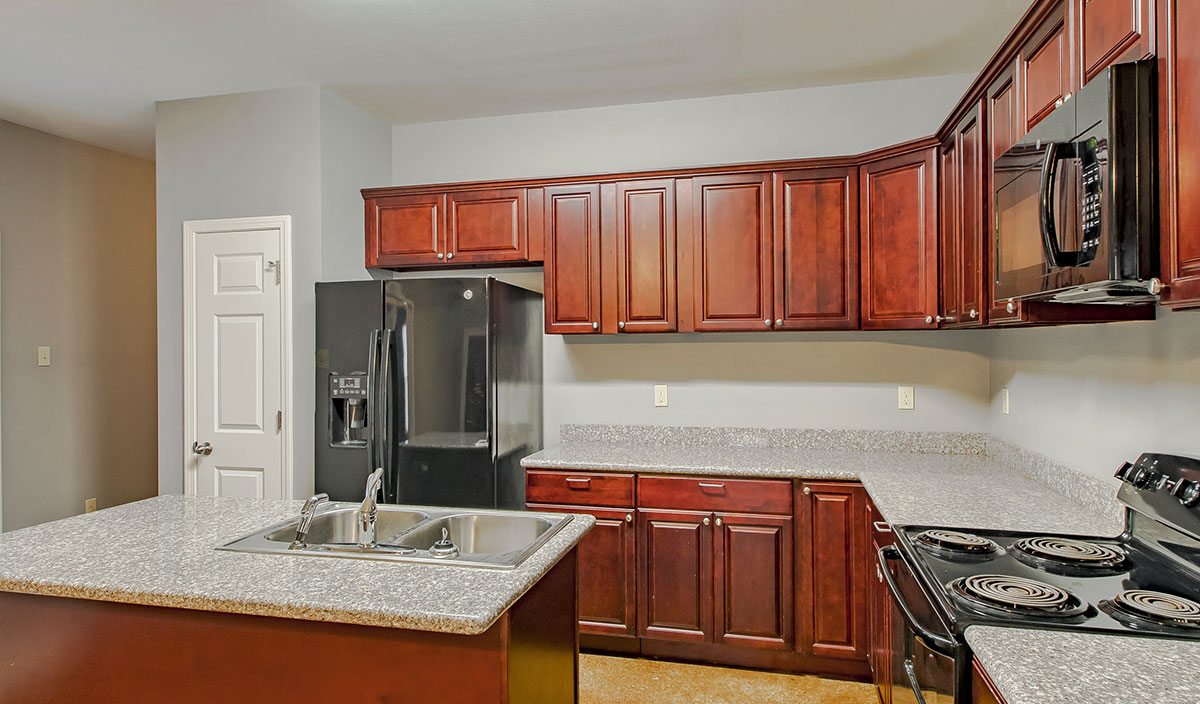
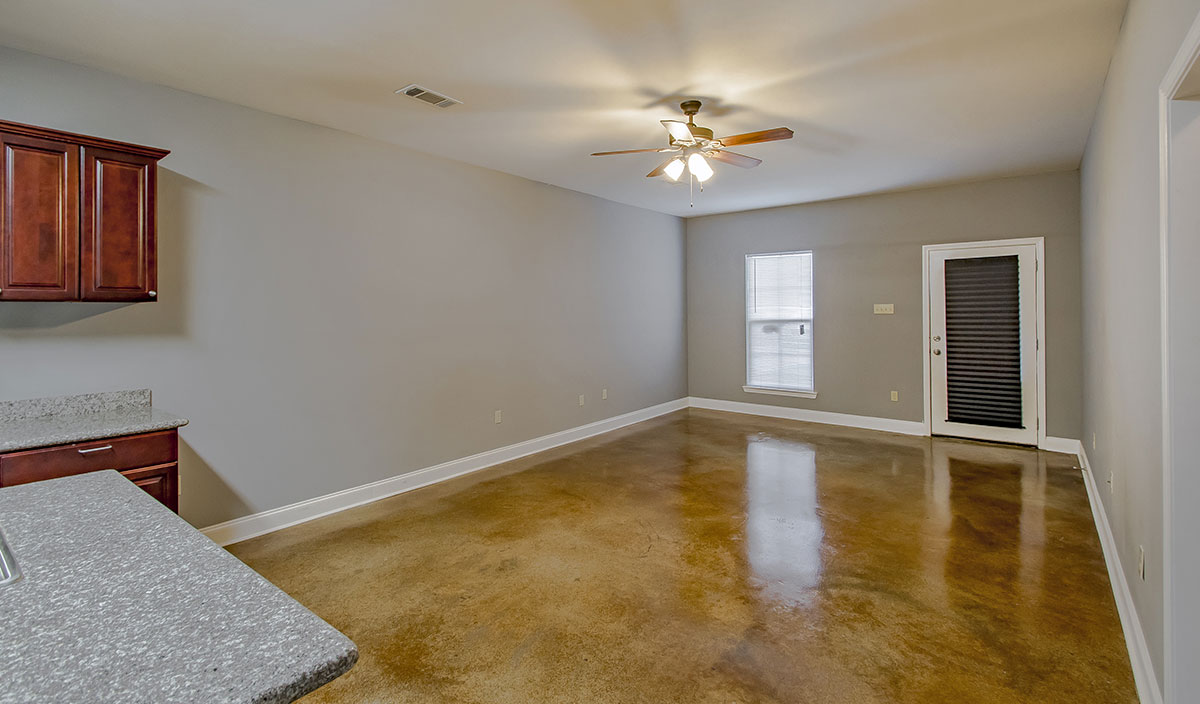
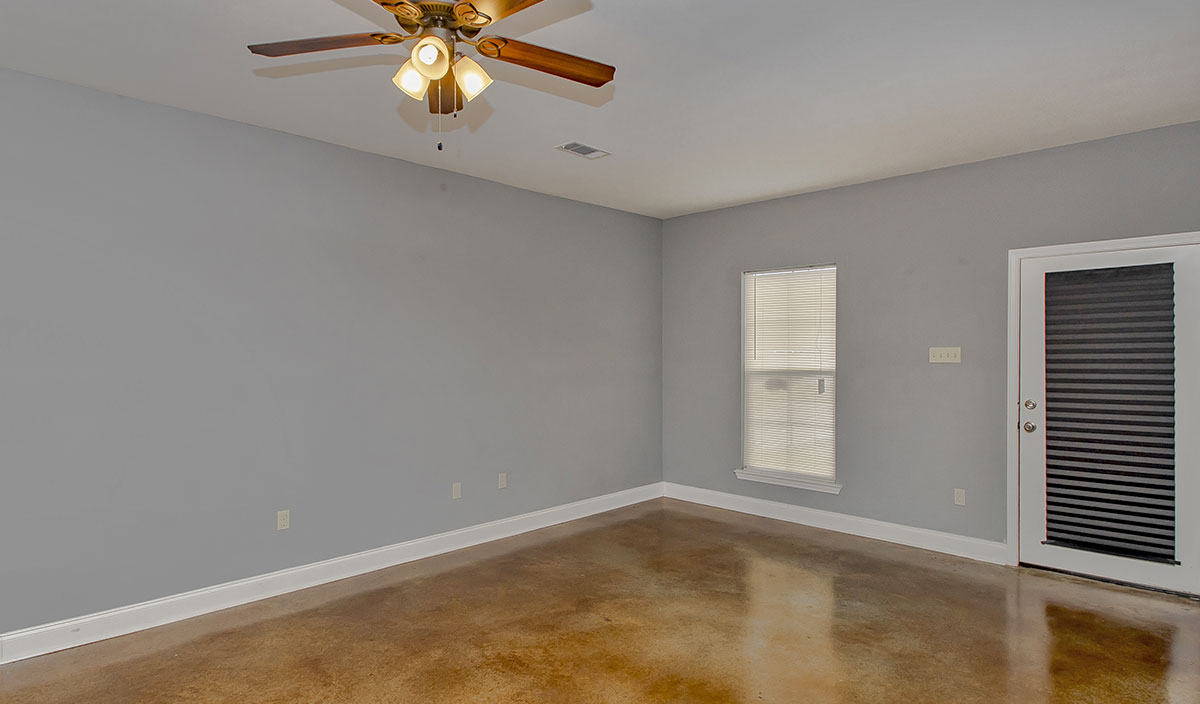
Reserve Your Luxurious Townhome Today!


Where We’re located:
Driving Directions
5650 Magnolia Springs Pkwy, St Gabriel, LA 70721DieselWin registration
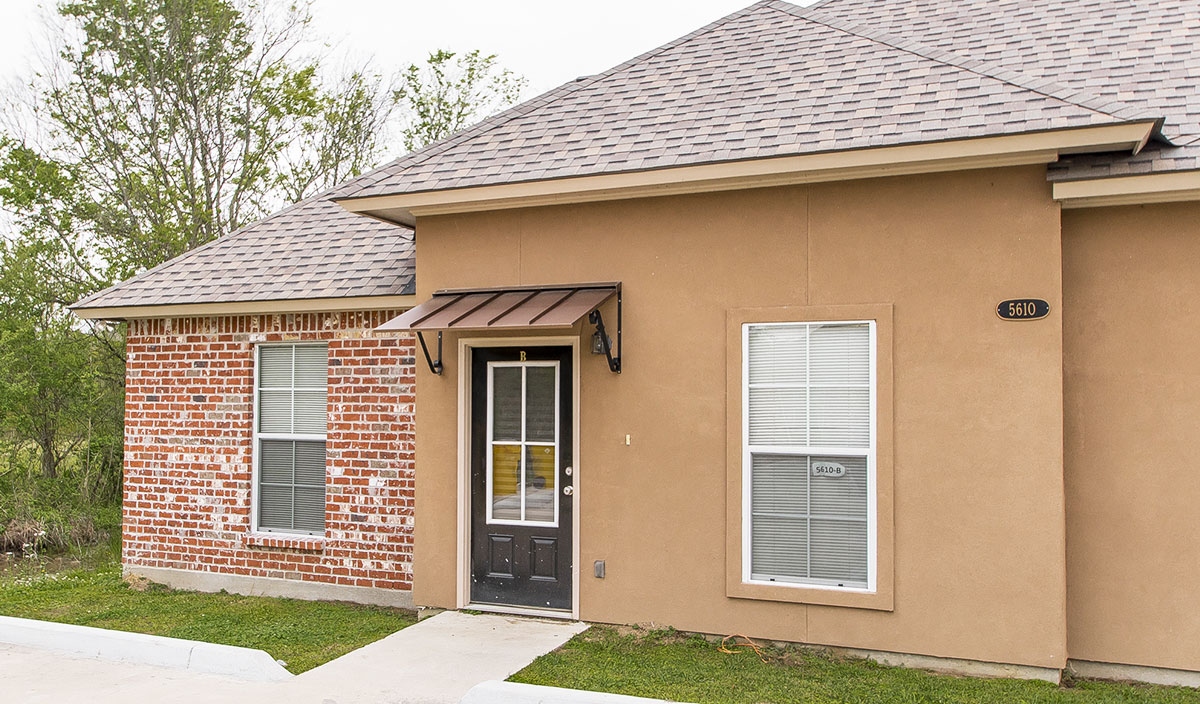
Magnolia Meadows Townhomes | Affordable Luxury in St Gabriel, LA
A Town Home Community


DieselWin registration
A home is exposed to weather, moisture, everyday use, and gradual material deterioration throughout the year. While major repairs occasionally become necessary, many expensive problems can be avoided or reduced through consistent maintenance.
Taking care of roofing, exterior surfaces, landscaping, plumbing, and structural components before significant damage develops can help homeowners protect their property and make long-term expenses more predictable.
Trees add shade, privacy, and character to a property, but they can also create maintenance concerns when branches grow too close to the house. Limbs may scrape roofing or siding during windy weather, while fallen branches can damage gutters, windows, and other exterior features.
Homeowners dealing with overgrown or potentially hazardous trees may consider professional assistance from Arboraxepert as part of a broader property maintenance plan. Regular pruning can also improve airflow and reduce the amount of debris collecting on roofs and in gutters.
Exterior paint does more than improve appearance. It also helps protect siding, trim, doors, and other materials from moisture and weather exposure.
Peeling, cracking, or blistering paint can leave underlying surfaces vulnerable to deterioration. Addressing these areas early is usually easier than repairing extensive wood rot or replacing damaged exterior materials later.
When larger sections of a property need attention, working with professionals such as Blue Mountain Painting LLC can help restore protective finishes and give the exterior a cleaner, better-maintained appearance.
Roof problems can cause damage far beyond the roofing materials themselves. Water entering through damaged shingles, flashing, vents, or seals may eventually reach insulation, ceilings, walls, and structural framing.
Inspect the roof periodically and after severe storms. Missing materials, damaged flashing, sagging areas, or visible staining should be investigated promptly.
Gutters and downspouts should also remain clear so water can drain away efficiently.
Proper drainage is essential for protecting foundations and lower levels of a home.
Downspouts should direct water away from exterior walls, and landscaping should generally be graded so rainwater does not collect against the foundation. Standing water may contribute to erosion, basement moisture, or other problems over time.
Small drainage improvements can sometimes prevent far more expensive repairs.
Cracks, uneven floors, movement around doors and windows, or unusual changes in the structure deserve attention.
Not every crack indicates a serious problem, but significant or changing conditions may require professional evaluation. When homeowners are planning substantial structural improvements or additions, an experienced builder such as the one found at https://builtrocksolid.us/ may be useful when evaluating larger construction needs.
A small plumbing leak can damage cabinets, flooring, drywall, and structural materials if it continues unnoticed.
Periodically check areas beneath sinks, around toilets, near water heaters, and around appliance connections. Water stains, unusual odors, or unexpected increases in water consumption may indicate a hidden problem.
Replacing a worn connection or valve early can be much less expensive than restoring an entire water-damaged room.
HVAC equipment generally performs better when it receives routine maintenance. Dirty filters, restricted airflow, worn components, and neglected coils can make systems work harder than necessary.
Replace filters according to manufacturer recommendations and schedule professional servicing when appropriate. Unusual sounds, weak airflow, or inconsistent temperatures can indicate that repairs are needed.
Windows and exterior doors are important barriers against both moisture and outside air.
Inspect caulking, weatherstripping, frames, locks, and glass periodically. Damaged seals can contribute to drafts and energy loss, while deteriorated frames may eventually allow moisture into walls.
Small sealing repairs are generally easier to complete before surrounding materials become damaged.
Decks and porches experience constant exposure to sunlight, rain, snow, and temperature changes.
Loose boards, deteriorated railings, damaged fasteners, and areas of wood rot should be corrected before they become safety concerns. Periodic staining or sealing may also help protect appropriate materials from moisture.
Additional buildings can provide valuable storage, guest space, offices, or workshops, but they also add maintenance responsibilities.
Homeowners working with tiny home contractors should consider roofing, siding, insulation, utilities, drainage, and access when planning a smaller structure. Choosing durable materials and planning maintenance from the beginning can help reduce future repair requirements.
Driveways, walkways, patios, and steps can develop cracks as they age.
Smaller cracks may allow water to penetrate, which can contribute to further deterioration during freeze-and-thaw cycles in colder climates. Repairing damaged sections early may help extend the usable life of these surfaces.
Uneven areas should also receive attention if they create a trip hazard.
Attics, basements, and crawl spaces can reveal problems that are not yet noticeable in the main living areas.
Check for water stains, musty odors, damp insulation, condensation, or visible mold. These signs may indicate roofing leaks, plumbing problems, poor ventilation, or exterior drainage concerns.
Finding the underlying source is important rather than simply covering or cleaning the visible damage.
Homeowners should pay attention to unusual electrical behavior such as flickering lights, warm outlets, buzzing switches, or breakers that trip repeatedly.
Electrical repairs should generally be completed by a qualified professional. Addressing warning signs promptly can protect equipment and reduce potential safety concerns.
Home maintenance becomes easier when responsibilities are spread throughout the year.
Spring can be a good time to inspect roofing, drainage, trees, and exterior surfaces. Summer may be suitable for painting and outdoor repairs, while fall can focus on gutters, heating equipment, and weather sealing.
A simple checklist can make it easier to remember recurring tasks.
Maintain documentation showing when major systems were inspected, serviced, repaired, or replaced.
Records for roofing, HVAC equipment, plumbing, painting, electrical work, and structural improvements can help homeowners determine what maintenance may be needed next. Documentation can also be useful when eventually selling the property.
Protecting a home over time depends largely on addressing ordinary wear before it develops into significant damage. Tree maintenance, exterior painting, roofing inspections, plumbing checks, drainage improvements, Villa Park HVAC services, and structural monitoring can all contribute to a healthier property.
By following a consistent maintenance schedule and responding promptly to warning signs, homeowners can extend the life of important components, reduce the likelihood of unexpected repairs, and preserve the comfort and value of their home for years to come.