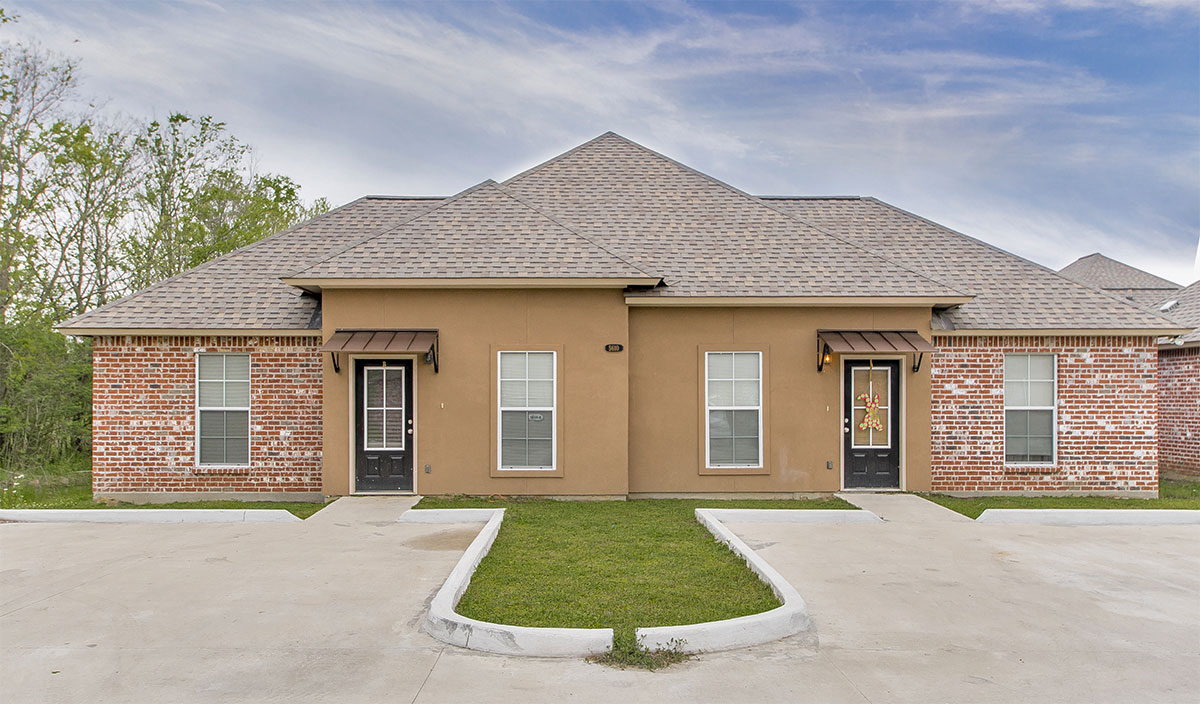
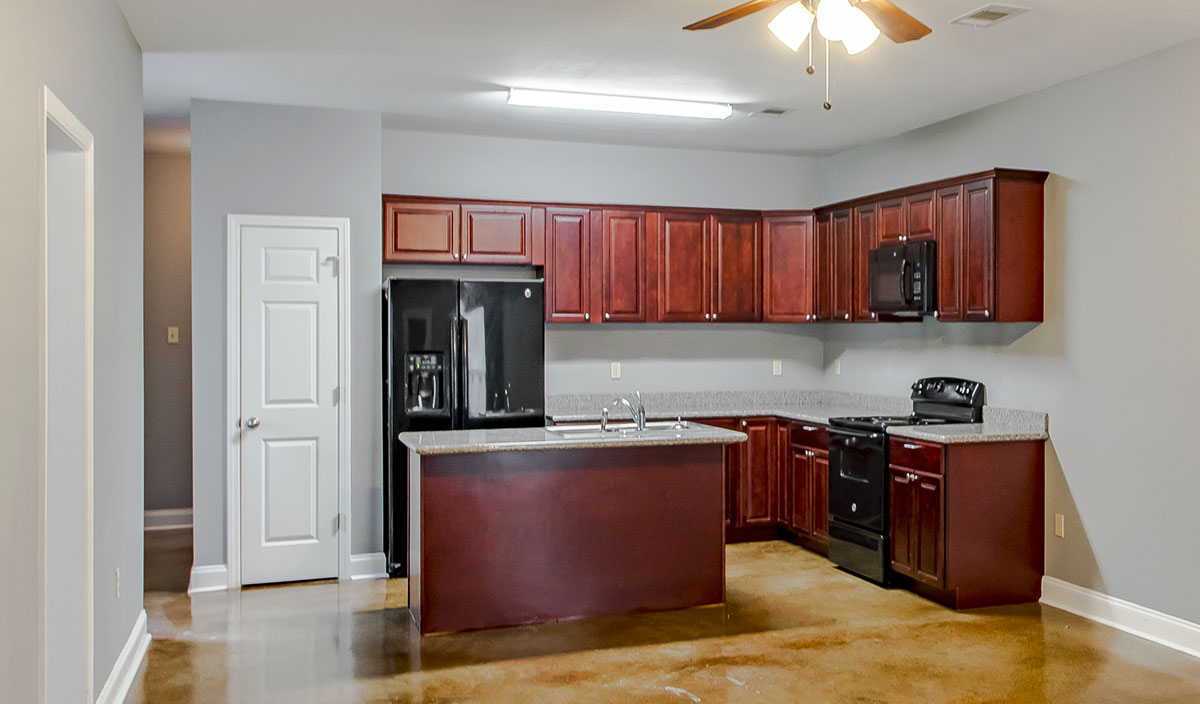
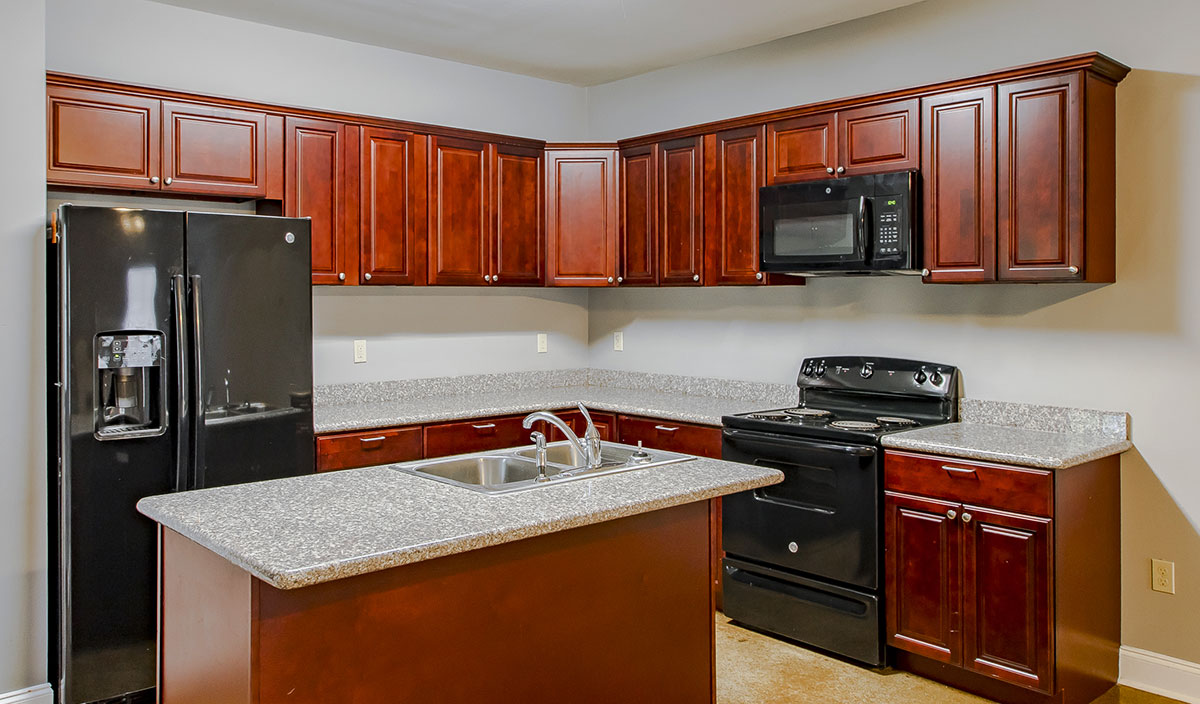
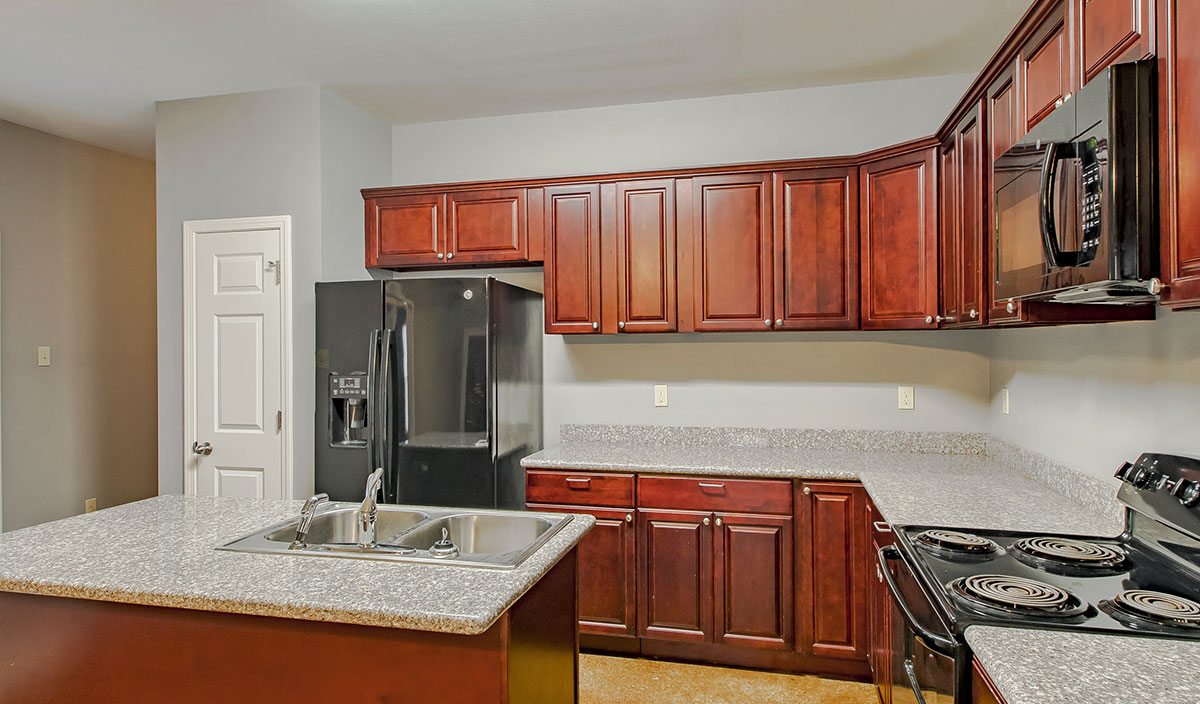
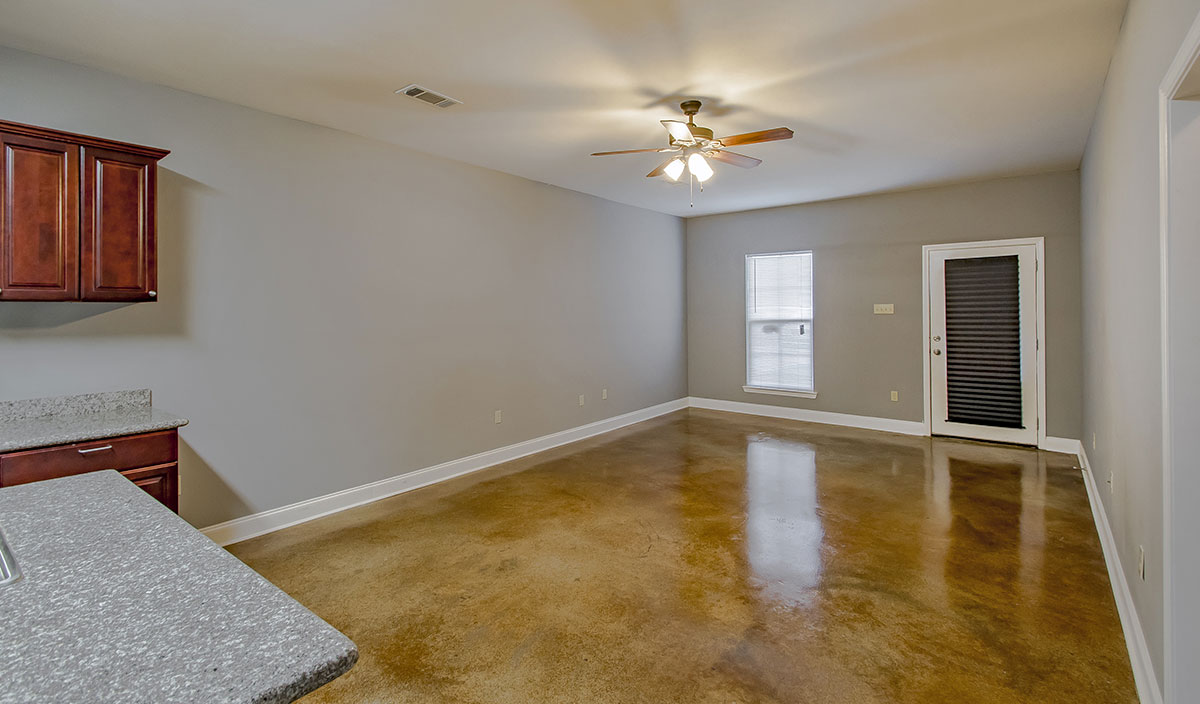
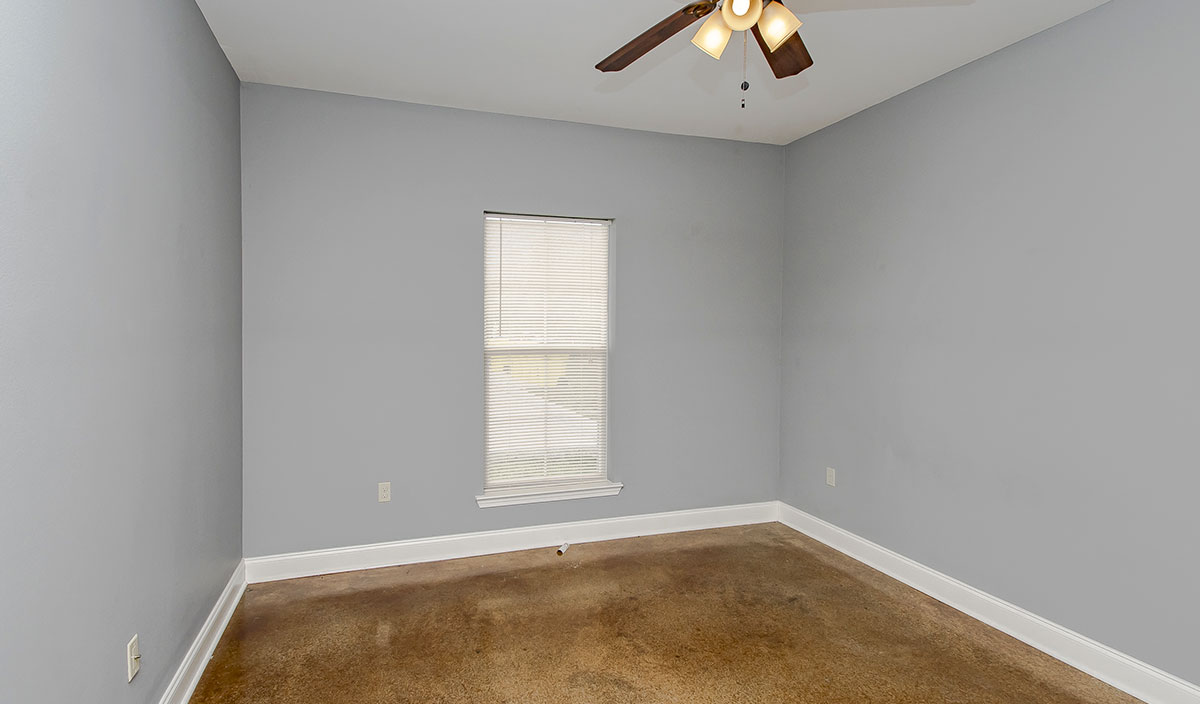
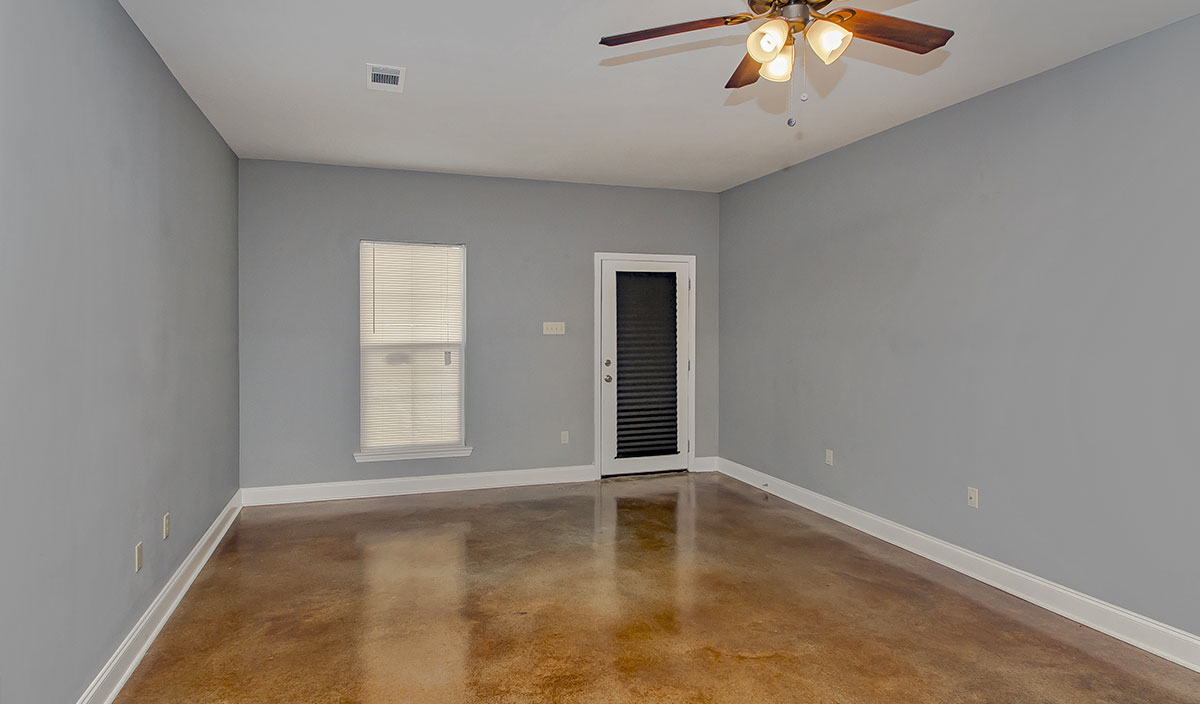
Reserve Your Luxurious Townhome Today!

Where We’re located:
Driving Directions
5650 Magnolia Springs Pkwy, St Gabriel, LA 70721DieselWin registration
Magnolia Meadows Townhomes | Affordable Luxury in St Gabriel, LA
A Town Home Community

DieselWin registration
Home repairs are an important part of maintaining a property’s safety, functionality, and long-term value. Whether a homeowner is fixing a plumbing leak, replacing damaged materials, updating an outdoor area, or addressing structural concerns, proper preparation can make the process significantly easier.
Starting a repair project without a clear plan can lead to unexpected expenses, delays, and unnecessary complications. By evaluating the problem, establishing a budget, selecting appropriate materials, and coordinating with qualified professionals, homeowners can approach repairs more confidently and achieve better results.
Before beginning any repair, it is important to understand what caused the problem and how much of the property has been affected.
A water stain on a ceiling, for example, may indicate a roof leak, plumbing problem, or condensation issue. Simply repainting the affected surface without addressing the underlying cause could allow the damage to return.
A thorough inspection helps homeowners determine whether a minor repair is sufficient or whether additional work is necessary.
Not all home repairs have the same level of urgency. Problems involving electrical hazards, active water leaks, structural instability, or damaged heating equipment may require immediate professional attention.
Homeowners should address safety concerns before beginning cosmetic improvements. If a repair involves unfamiliar equipment, electrical wiring, gas connections, or structural components, hiring a qualified professional is generally safer than attempting the work without the necessary experience.
Establishing priorities also helps homeowners allocate their budgets more effectively.
Plumbing problems can affect walls, flooring, cabinetry, and other parts of a home. Even a small leak can create significant damage if it remains unnoticed.
Before installing new flooring or renovating a bathroom, homeowners should inspect existing plumbing and identify any necessary repairs.
Working with a professional provider such as Drain Masters Plumbing may be useful when evaluating drainage problems, pipe damage, fixture issues, or other plumbing concerns.
Completing plumbing repairs before decorative improvements can reduce the likelihood of having to remove newly installed materials later.
Repair projects often involve more than the cost of materials and labor. Permits, inspections, disposal fees, equipment rentals, and unexpected complications may also affect the final expense.
Homeowners should request detailed estimates and establish a realistic budget before work begins.
It is also helpful to reserve part of the budget for unexpected problems, particularly when repairing older homes where hidden damage may become visible after construction starts.
Selecting qualified professionals is an important part of preparing for major repairs.
Homeowners should review a contractor’s experience, references, insurance, applicable licensing, and previous work. Written estimates should clearly explain the scope of the project, expected costs, materials, and estimated completion schedule.
For larger renovations involving multiple trades, a company such as Capital Construction Inc. may be considered when researching construction professionals who can help coordinate the required work.
Clear communication before signing an agreement can help prevent misunderstandings throughout the project.
Material selection can affect the cost, appearance, durability, and timeline of a repair.
Homeowners should consider whether replacement materials are compatible with the existing structure and appropriate for the intended use. Flooring, roofing products, exterior finishes, and plumbing components all have different performance and maintenance requirements.
Ordering materials in advance can also help prevent delays caused by unavailable products or unexpected delivery times.
Exterior projects may require additional preparation to protect landscaping, walkways, driveways, and surrounding structures.
Before starting a project, homeowners should determine whether plants need to be moved, trees require trimming, or drainage improvements should be completed.
For landscaping and outdoor improvement projects, suppliers such as My Landscape Supply Ltd. may be useful when researching materials for planting beds, drainage work, soil preparation, or other property improvements.
Planning these details early can reduce unnecessary disruption and help preserve existing outdoor features.
Some repairs require permits or professional inspections, depending on the type of work and local regulations.
Structural modifications, electrical upgrades, plumbing changes, and major construction projects may be subject to specific requirements.
Homeowners should confirm which permits are necessary before beginning work. Failing to obtain required approvals can create complications during inspections, future renovations, or property sales.
A realistic timeline helps homeowners coordinate contractors, material deliveries, inspections, and household activities.
Some repairs can be completed in a single day, while larger projects may involve several stages. Work that depends on other tasks should be scheduled in the correct order.
For example, damaged plumbing should generally be repaired before drywall is replaced, and structural repairs should be completed before new flooring is installed.
Planning the sequence can reduce duplicated work and unnecessary delays.
Home repairs can generate dust, debris, moisture, and noise. Preparing the work area can help protect household belongings and make it easier for contractors to complete their tasks.
Furniture, electronics, decorations, and other valuable items should be moved or covered when necessary.
Homeowners may also need to establish temporary access routes or relocate certain household activities while repairs are underway.
Good communication is essential when several people are involved in a repair project.
Homeowners should discuss working hours, access arrangements, cleanup responsibilities, material choices, and procedures for approving additional work.
Any significant changes to the original project should be documented, including their impact on the budget and schedule.
This helps everyone understand their responsibilities and reduces the likelihood of disagreements.
A repair project can also provide an opportunity to improve the property’s long-term condition.
When replacing damaged materials, homeowners may want to consider products that offer better durability, easier maintenance, or improved energy efficiency.
For example, repairing an exterior wall may provide an opportunity to address insulation or moisture protection. Replacing damaged flooring may also be a chance to investigate underlying subfloor problems.
Thinking beyond the immediate repair can help prevent recurring issues.
Once a project is finished, homeowners should retain important documentation.
Invoices, warranties, permits, inspection reports, photographs, and contractor information can all be useful for future maintenance.
Keeping these records organized makes it easier to track previous repairs and may provide valuable information when selling the property.
Successful home repairs begin before the first tool is picked up. Understanding the problem, identifying safety concerns, setting a budget, selecting qualified professionals, and organizing materials can all contribute to a smoother project.
Proper preparation also helps homeowners avoid unnecessary expenses and make informed decisions when unexpected issues arise.
By approaching repairs with a clear plan, property owners can protect their investment, reduce disruption, and ensure that completed improvements continue serving their homes for years to come.