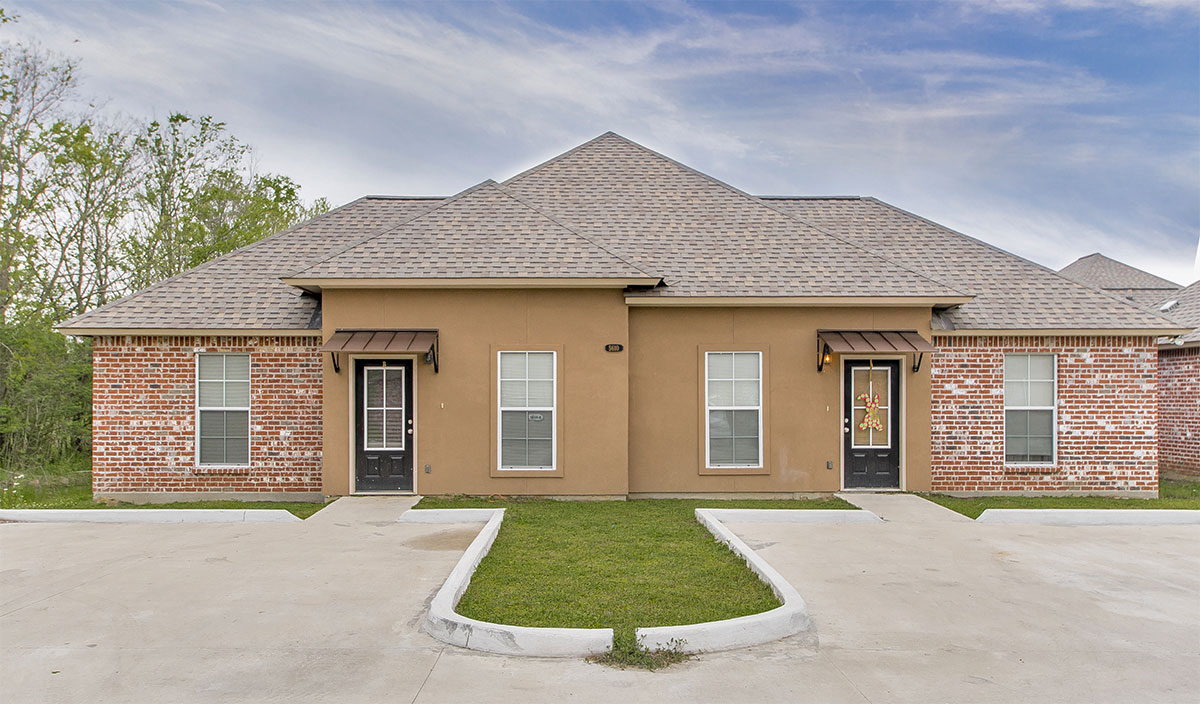
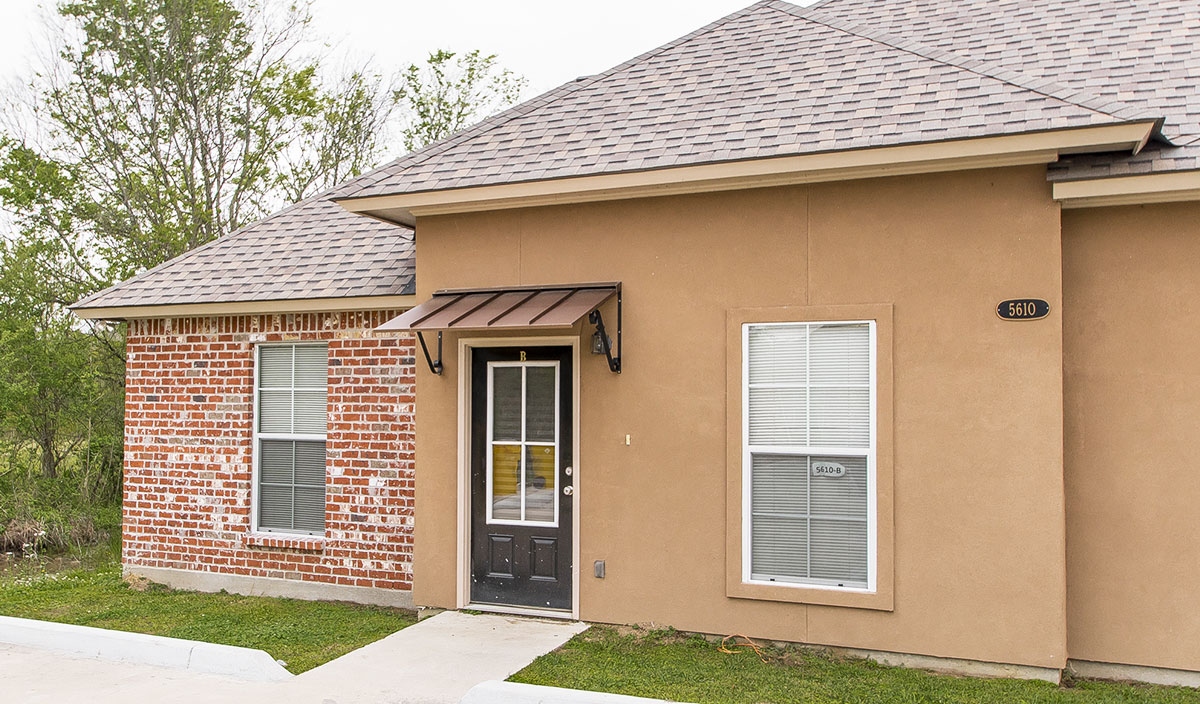
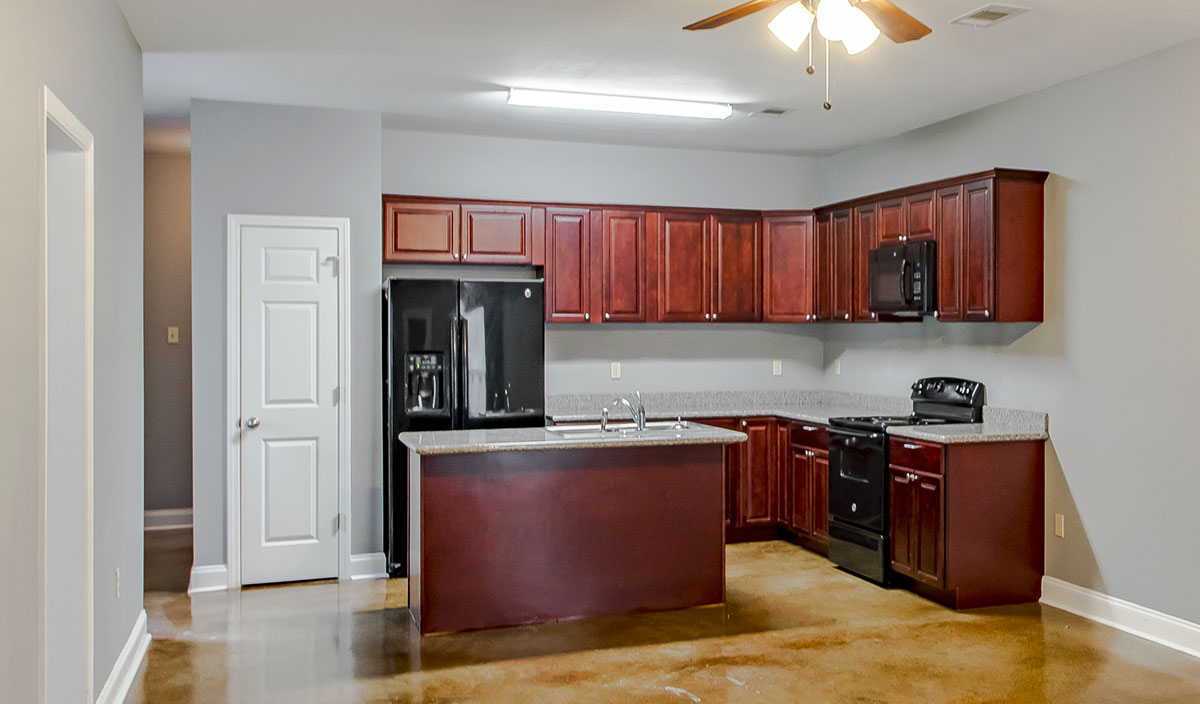
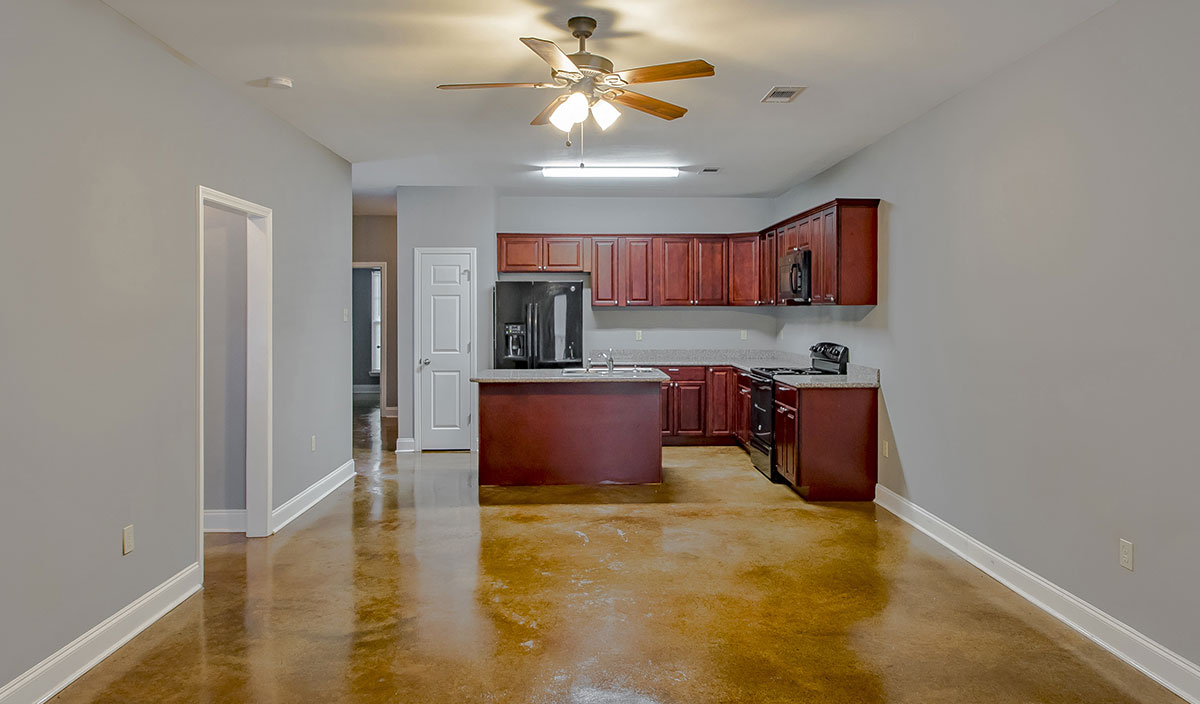
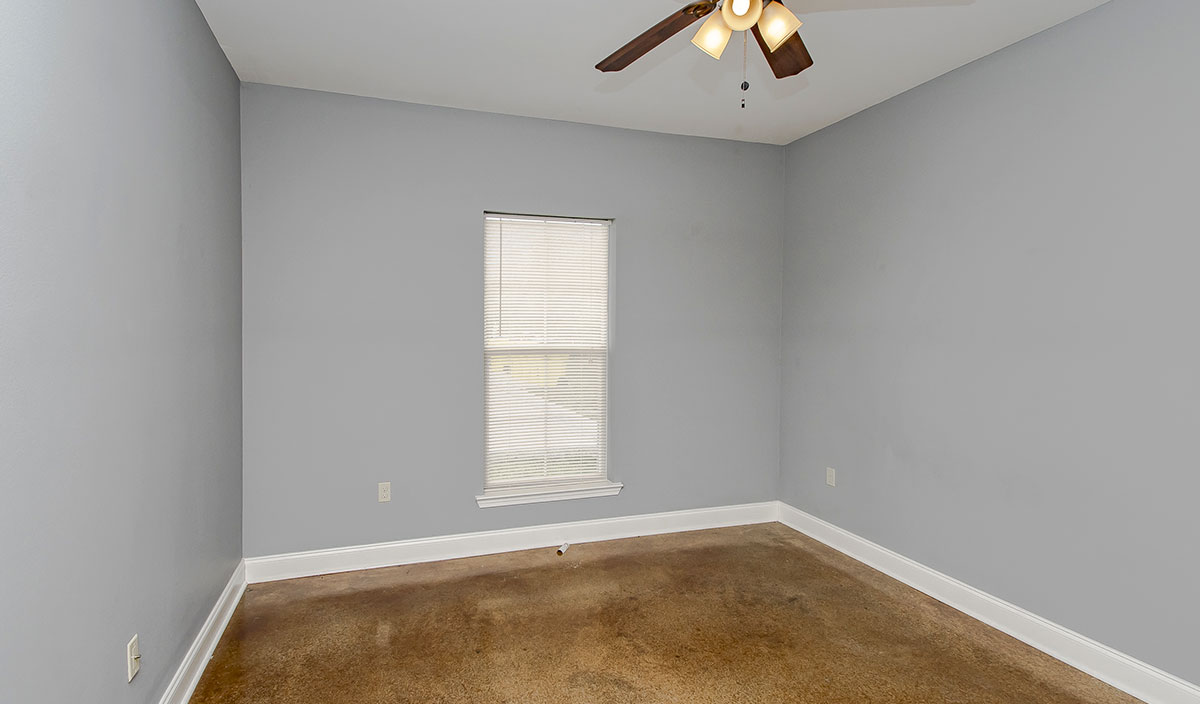
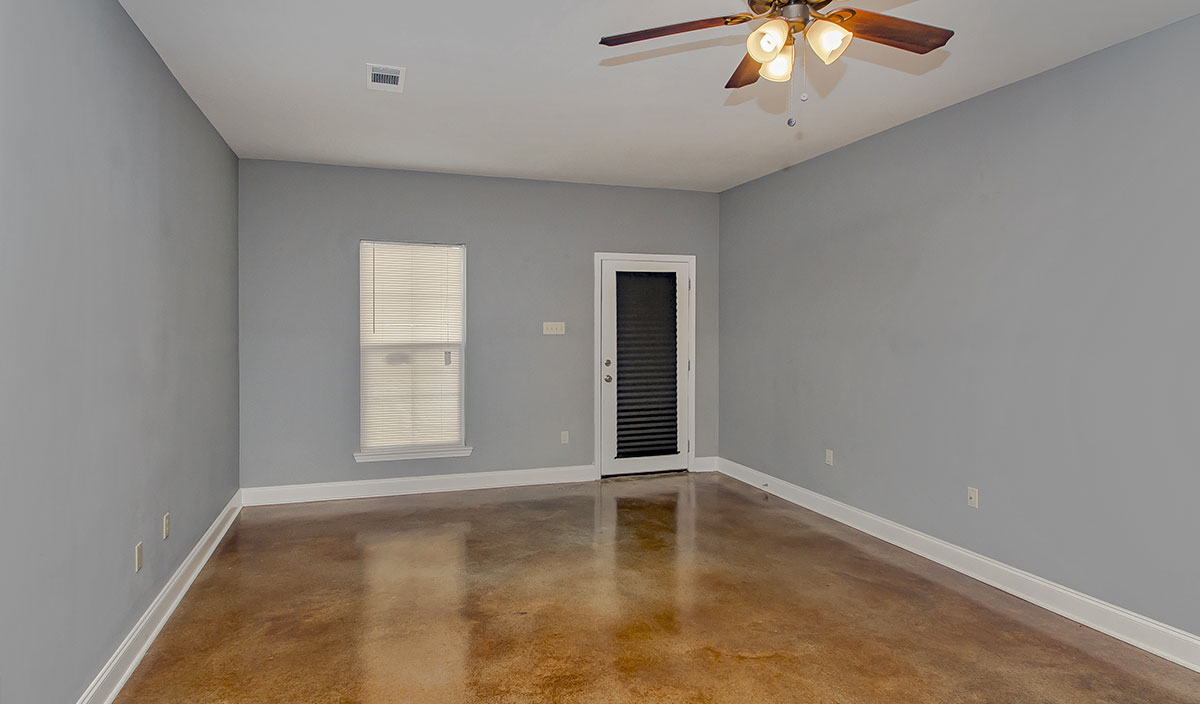
Reserve Your Luxurious Townhome Today!

Where We’re located:
Driving Directions
5650 Magnolia Springs Pkwy, St Gabriel, LA 70721DieselWin registration
Magnolia Meadows Townhomes | Affordable Luxury in St Gabriel, LA
A Town Home Community

DieselWin registration
Home repairs often become expensive because small problems are allowed to develop over time. A minor crack, drainage issue, aging fixture, or inefficient system may seem easy to postpone, but delays can eventually lead to more extensive damage.
Preventive home improvements focus on strengthening vulnerable areas before they fail. By addressing maintenance needs early and choosing upgrades that improve durability, homeowners can reduce unexpected repair costs and protect the long-term condition of their property.
The outside of a home is constantly exposed to weather.
Siding, trim, roofing, windows, doors, and other exterior materials should be checked periodically for cracks, loose components, damaged seals, or signs of moisture.
Small exterior problems can allow water into walls and framing.
Once moisture reaches hidden areas, repairs can become much more complicated.
Sealing gaps and replacing damaged materials early is usually more affordable than repairing widespread water damage later.
A roof does not need to be actively leaking to require attention.
Missing shingles, damaged flashing, worn sealants, and clogged drainage systems can all increase the risk of future problems.
Regular inspections help homeowners identify these conditions before water reaches ceilings, insulation, or structural framing.
Keeping gutters and downspouts clear is also important because roof runoff needs a reliable path away from the building.
Poor drainage can affect foundations, landscaping, walkways, and exterior walls.
Water should move away from the house rather than collecting near the foundation.
Homeowners can improve drainage by maintaining gutters, extending downspouts, correcting low areas, and ensuring landscaping does not direct runoff toward the structure.
Preventive drainage improvements can help reduce erosion, basement moisture, and foundation-related problems.
Concrete naturally experiences wear from moisture, traffic, temperature changes, and ground movement.
Small cracks may gradually expand if water enters and freezes or if the underlying surface continues to shift.
Homeowners considering concrete repair cincinnati can benefit from addressing deterioration while the affected area is still limited.
Repairing cracks and damaged sections early may help prevent larger replacement projects later.
According to professionals like those at https://sotewater.com/, plumbing leaks can create substantial damage before they become obvious.
Supply lines, shutoff valves, fixtures, water heaters, and exposed pipes should be checked periodically for corrosion or moisture.
Even a slow leak can damage drywall, cabinets, flooring, and framing.
Replacing worn plumbing components before they fail can reduce the risk of sudden water damage.
Homeowners should also know where the main water shutoff is located in case an emergency occurs.
Irrigation systems can help maintain landscaping, but poor installation or maintenance can create unnecessary problems.
Leaks may waste water or oversaturate soil near foundations.
Projects involving cashmere sprinkler system installation should consider proper zoning, drainage, pipe placement, and coverage.
Sprinkler heads should be adjusted so they water landscaping rather than repeatedly spraying siding, foundations, or paved surfaces.
Routine inspections can help identify broken heads and underground leaks.
Preventive upgrades are not limited to structural repairs.
Improving energy efficiency can reduce strain on home systems and make long-term operating costs more predictable.
Better insulation, improved air sealing, efficient windows, and modern mechanical equipment may help reduce unnecessary energy use.
Renewable-energy improvements may also be part of a broader home-efficiency strategy. Homeowners researching solar options may encounter companies such as Ready Solar Inc when considering ways to improve how a property produces or uses energy.
Any major energy upgrade should be evaluated based on system condition, installation requirements, maintenance needs, and expected long-term performance.
Small gaps around windows and doors can allow air and moisture into the home.
Weatherstripping and exterior sealants gradually deteriorate.
Replacing damaged seals can improve energy efficiency while protecting nearby framing from moisture.
Homeowners should also inspect window sills and trim for peeling paint, staining, or soft materials.
These can be early signs that water is reaching areas where it should not.
Heating and cooling systems are easier to manage when they receive regular maintenance.
Filters should be replaced as needed, and equipment should be inspected periodically. Scheduling heat pump service can also help identify airflow issues, worn components, or other problems that may affect system performance.
Restricted airflow, dirty components, and worn parts can reduce efficiency and increase strain on the system.
Preventive service may identify developing problems before they cause a complete breakdown.
This can be especially valuable before periods of extreme heat or cold.
Moisture generated inside the home needs somewhere to go.
Bathrooms, kitchens, laundry areas, attics, and basements can develop humidity problems when ventilation is inadequate.
Exhaust fans should vent outdoors rather than into attics or enclosed cavities.
Improving ventilation can help prevent mold, peeling paint, damaged drywall, and deterioration of wood materials.
Good airflow is a relatively simple way to protect several parts of the home at once.
Decks, fences, railings, and other wood features are vulnerable to moisture and sunlight.
Protective coatings can reduce weather-related deterioration.
Loose boards, damaged fasteners, and early signs of rot should be repaired before the problem spreads.
Small localized repairs are generally easier than replacing large sections of an outdoor structure.
Foundation problems may develop gradually.
Homeowners should periodically check visible areas for significant new cracks, moisture, or movement.
Other warning signs can include uneven floors, sticking doors, or widening gaps around windows.
Not every crack indicates a serious problem, but noticeable changes should be evaluated rather than ignored.
Early assessment can help determine whether simple monitoring or professional repair is necessary.
Landscaping can create maintenance problems when plants grow too close to the house.
Branches may damage roofing during storms, while dense vegetation can trap moisture against siding.
Roots may also interfere with walkways, drainage, or underground utilities.
Regular trimming and thoughtful plant placement can reduce these risks.
Keeping some clearance around the home also makes inspections easier.
Some home systems have predictable service lives.
Water heaters, roofing materials, HVAC equipment, exterior finishes, and certain plumbing components eventually need replacement. Scheduling water heater repair when problems first appear can sometimes address issues before complete failure occurs and help homeowners determine whether repair or replacement is the better option.
Waiting until complete failure can create emergency costs and additional damage.
Planning replacements in advance allows homeowners to compare products, obtain estimates, and schedule work more conveniently.
It can also reduce the pressure of making expensive decisions during an emergency.
Preventive maintenance is more effective when it is consistent.
A seasonal checklist can help homeowners remember tasks such as:
Keeping records of completed maintenance can make it easier to notice recurring problems.
Homeowners should expect to spend money on upkeep.
Setting aside funds for routine maintenance and small repairs can make it easier to address problems promptly.
Preventive spending may feel less urgent than other household expenses, but delaying maintenance often increases the eventual cost.
A small repair completed at the right time can prevent the need for a much larger project.
Preventive home improvements can significantly reduce future repair costs by addressing vulnerabilities before they become serious.
Roof maintenance, drainage improvements, plumbing inspections, concrete repairs, energy upgrades, irrigation management, and exterior maintenance all contribute to a more durable property.
The goal is not to eliminate every future repair. Homes naturally require maintenance over time.
However, homeowners who inspect systems regularly and act on early warning signs can reduce the likelihood of sudden failures and expensive damage, creating a property that is easier and more affordable to maintain over the long term.