• Skip to content
  • Skip to primary sidebar

Magnolia Meadows Townhomes | Affordable Luxury in St Gabriel, LA

A Town Home Community

  • Listings
    • Image Gallery
  • Our Location
  • About
    • FAQ
    • Helpful Links
    • Privacy Policy
  • Contact
  • Find New Homes

Reserve Your Luxurious Townhome Today!

Der Kauf von Ivermectin rezeptfrei kaufen ist rechtlich nicht zulässig und wird von seriösen Apotheken nicht angeboten. Ivermectin Tabletten sind ein wirksames Medikament zur Behandlung bestimmter parasitärer Infektionen wie Krätze, Strongyloidiasis oder lymphatische Filariose. Das Präparat enthält den Wirkstoff Ivermectin in Dosierungen wie 3 mg pro Tablette und wird vom Arzt verschrieben. Es blockiert das Nervensystem der Parasiten, was zu deren Absterben führt.

Nestled in beautiful St. Gabriel, Louisiana, the Magnolia Meadows Townhomes are located in the new Magnolia Springs neighborhood on historic River Road. If you are looking for a new townhome for rent, you’ll appreciate the affordable luxury our community of town houses and single family new homes provides!

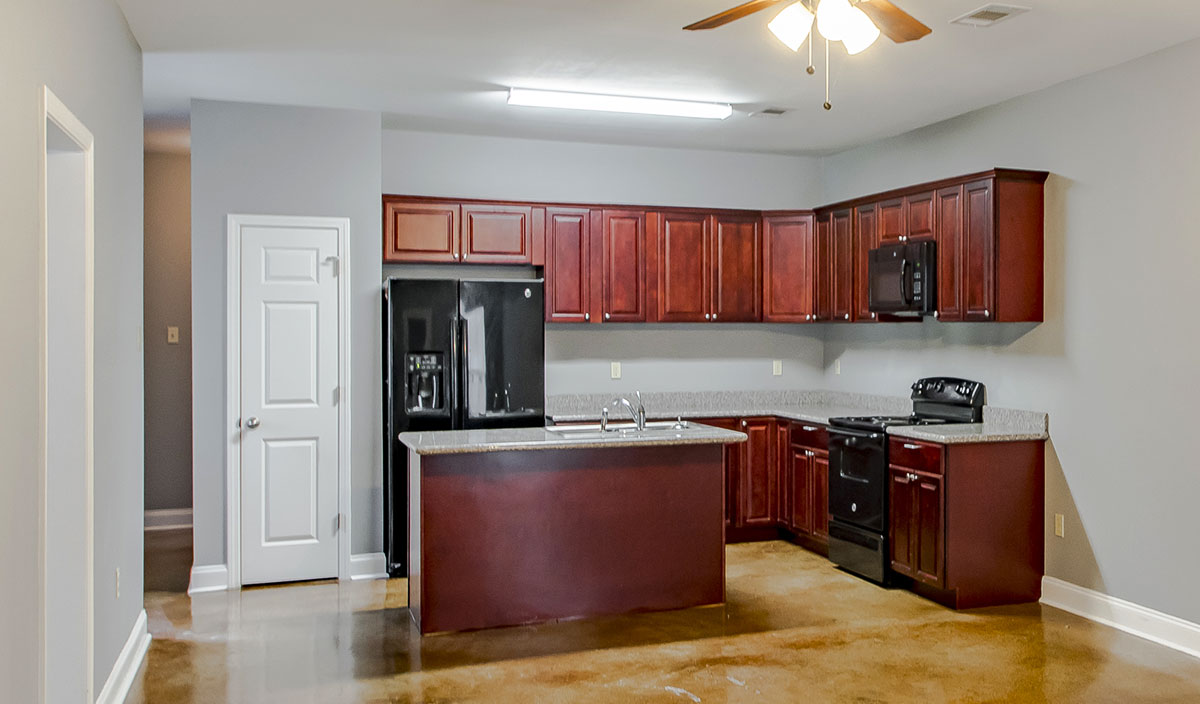
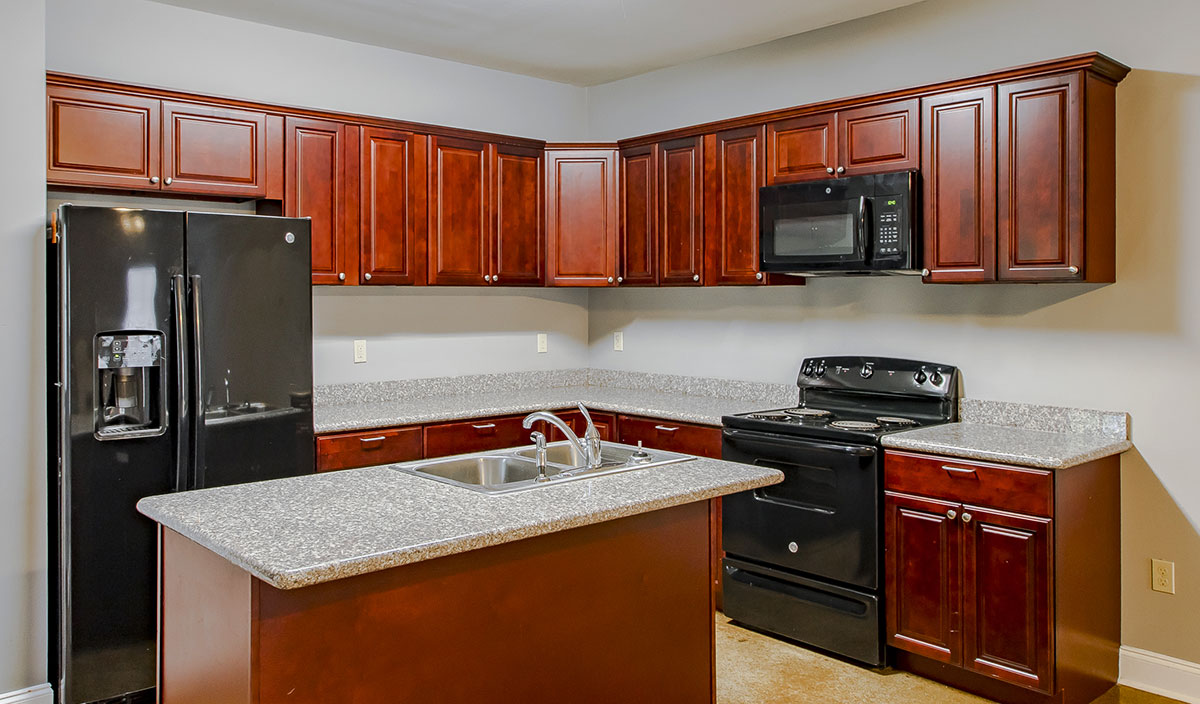
With a professionally landscaped exterior, paved walkways, exterior lighting, and a courtyard patio, you will certainly enjoy spending time outside. But you’ll truly appreciate the contemporary look & feel inside your spacious home. All interiors feature stained flooring, a designer paint scheme, custom kitchen cabinets, black GE appliances (stove, micro hood, refrigerator), and ceiling fans. See the http://magnoliameadowsla.com/hooking-up-in-south-africa/ of each option.

Magnolia Meadows Townhomes offer the privacy and tranquility of a small community while only minutes away from the conveniences of nearby shopping and fine dining. Our location offers a peaceful retreat from the traffic and congestion of nearby cities like Baton Rouge, Gonzales, Prairieville, and other towns in Ascension Parish. See awhen a guy says he loves you but your not dating of the neighborhood.
good online dating profiles to copy for females
Parking area in front of the Magnolia meadows town house
http://magnoliameadowsla.com/meet-gaming/
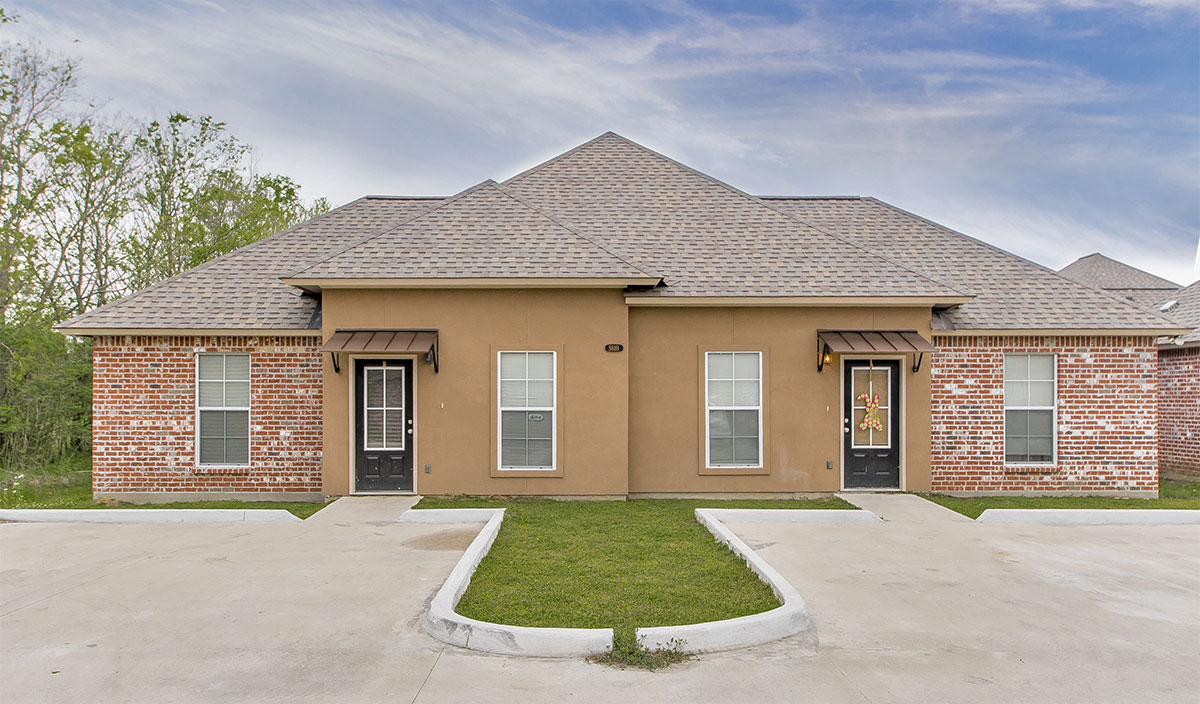
Exterior view of the town home at Magnolia Meadows
http://magnoliameadowsla.com/gilf-dating/
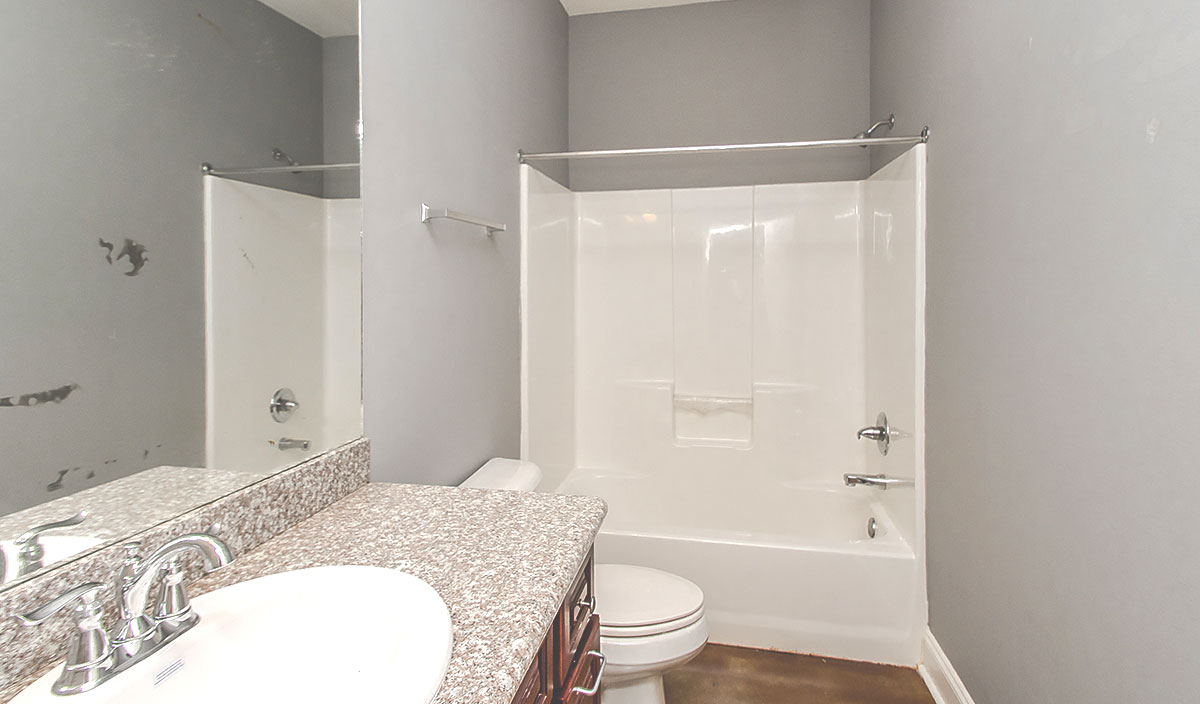
Guest bathroom in the Magnolia Meadows Townhomes
Bathroom in the Magnolia Meadows Townhomes
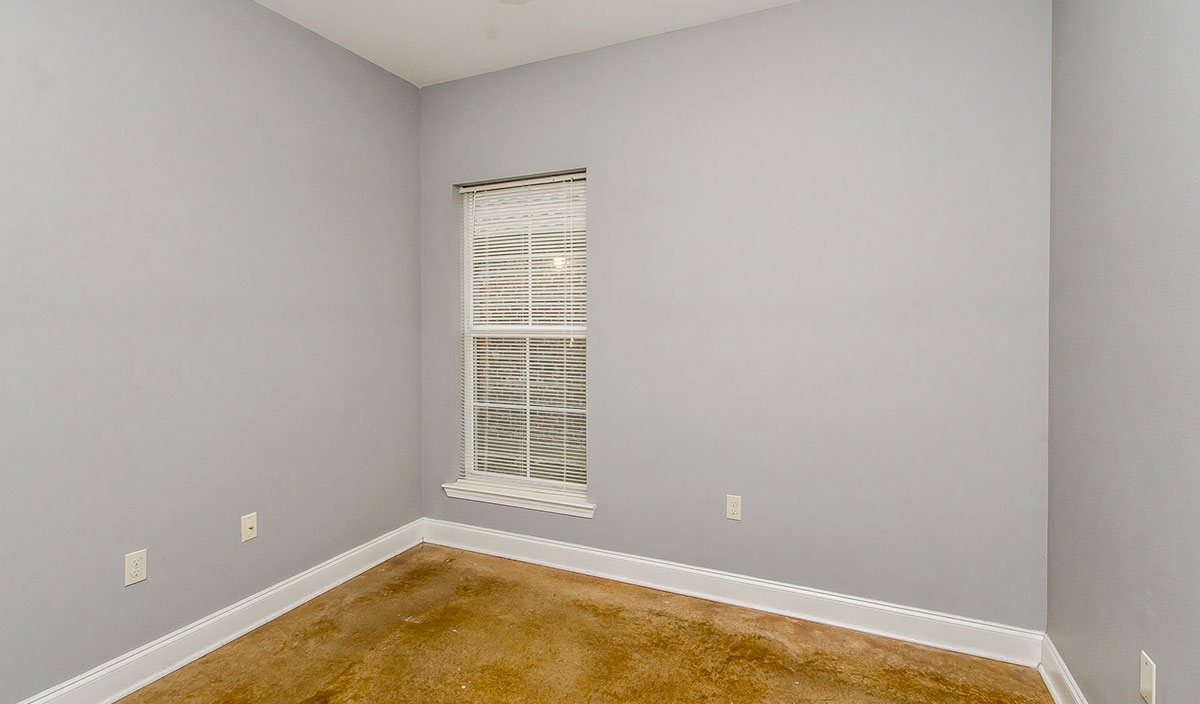
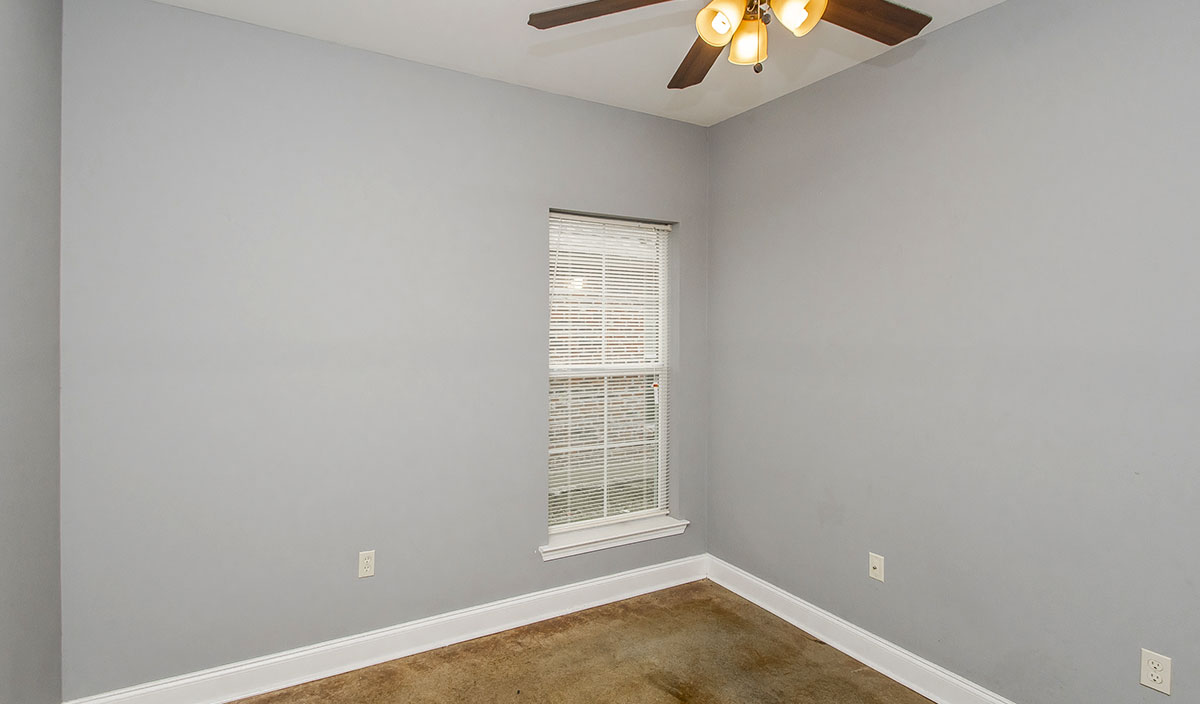
Bedroom of the Magnolia Meadows town home
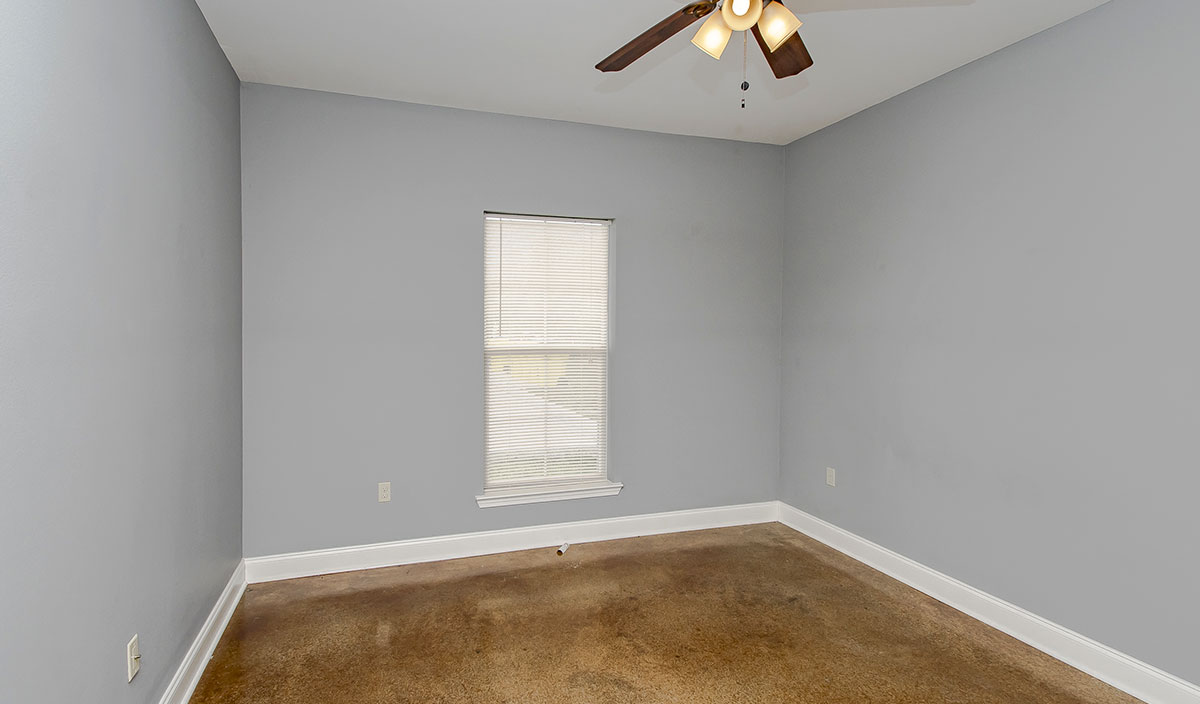
Guest bedroom in the Magnolia Meadows Townhomes
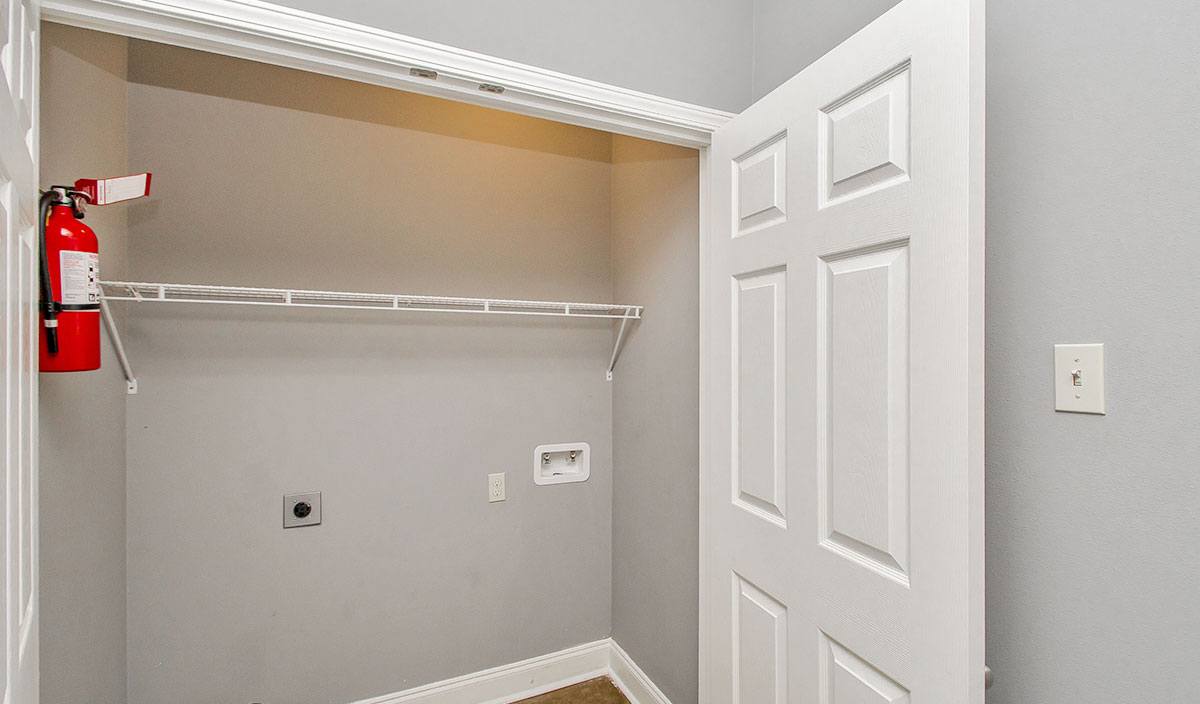
Closet in the Magnolia Meadows Townhomes
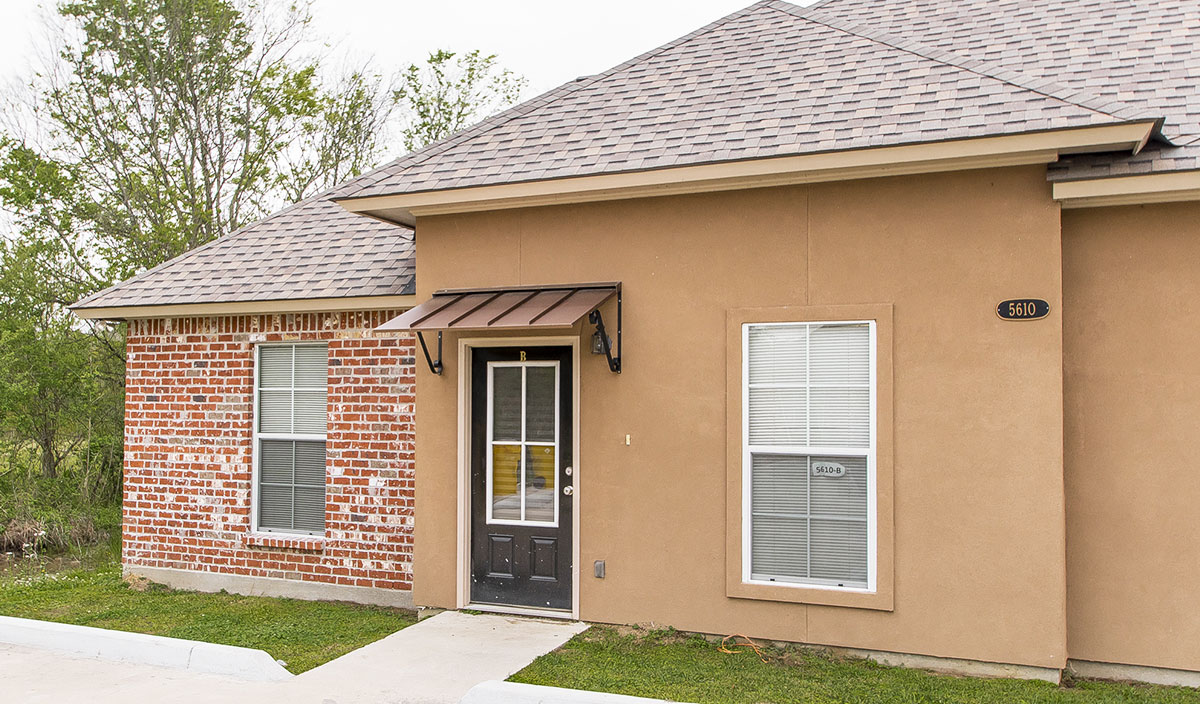
Exterior view of the Magnolia Meadows townhouse
Front door at the Magnolia Meadows Town House
View of the Magnolia Meadows kitchen
Full view of the custom kitchen at Magnolia Meadows
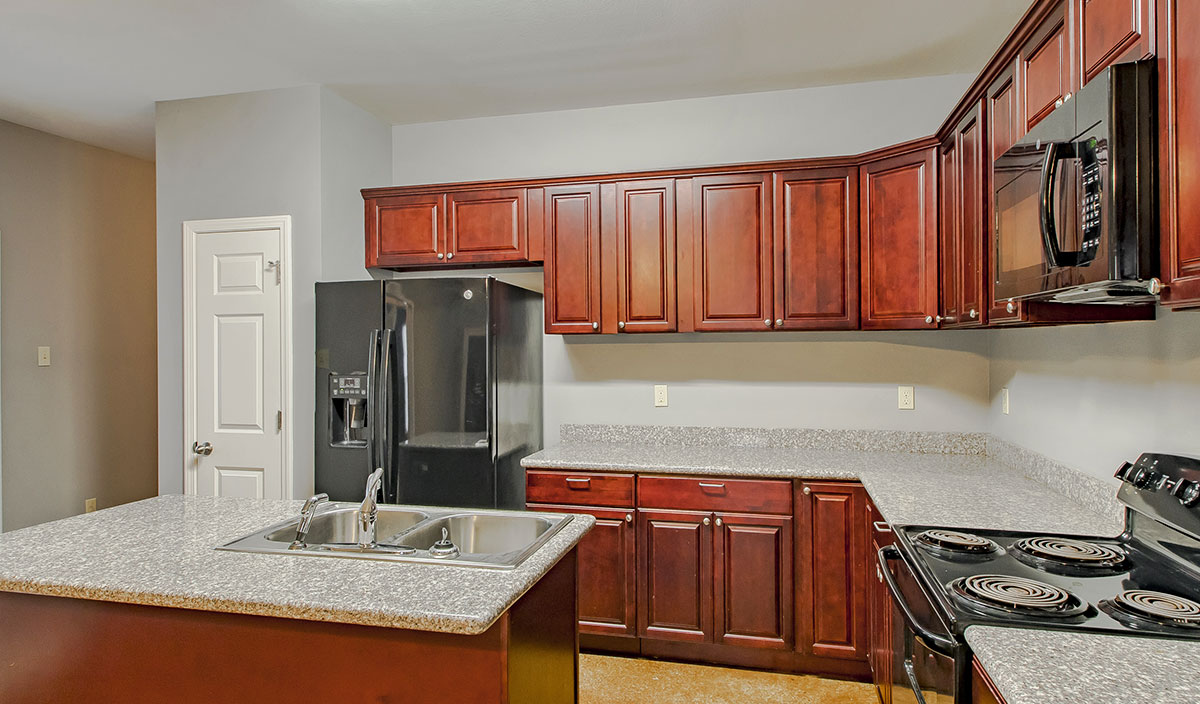
The kitchen in the Magnolia Meadows Townhomes
Kitchen area of the townhomes in Magnolia Meadows
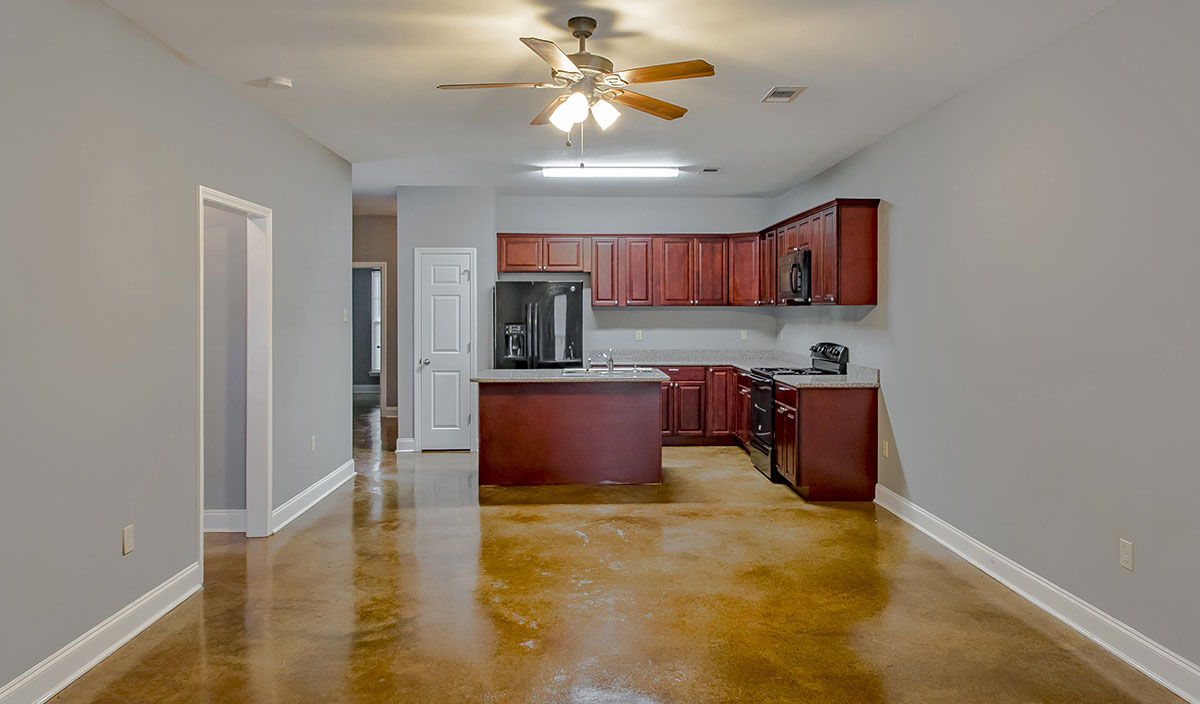
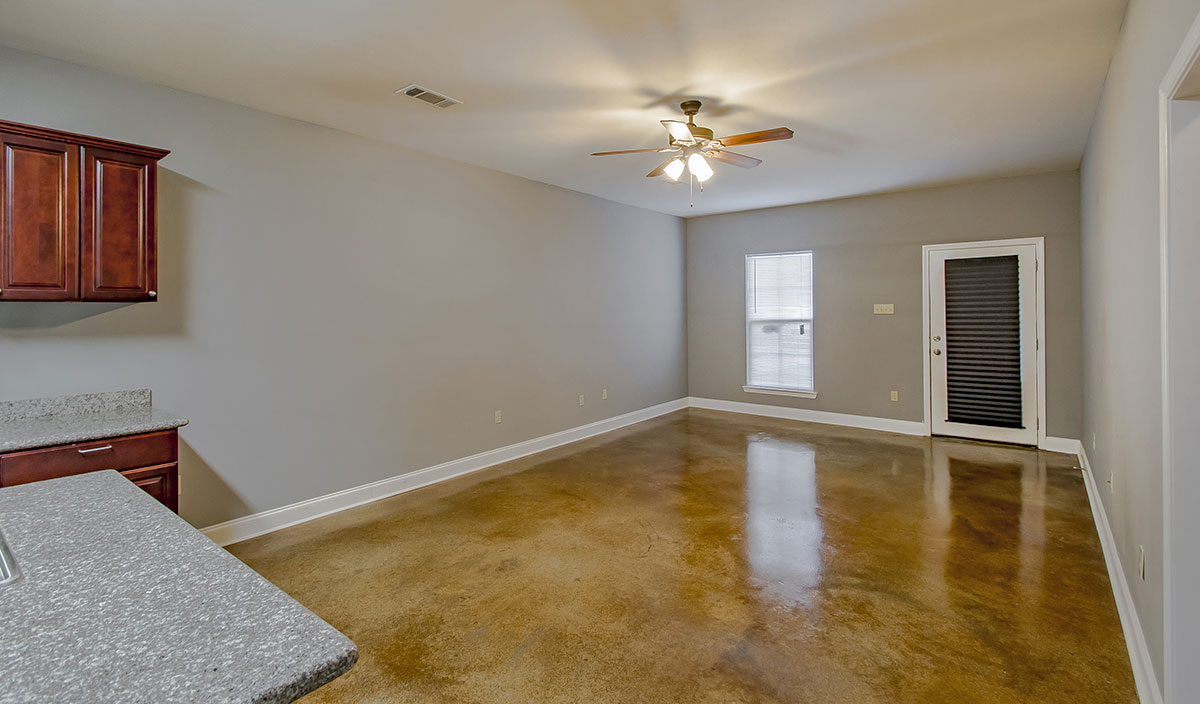
Full living area in the Magnolia Meadows Town houses
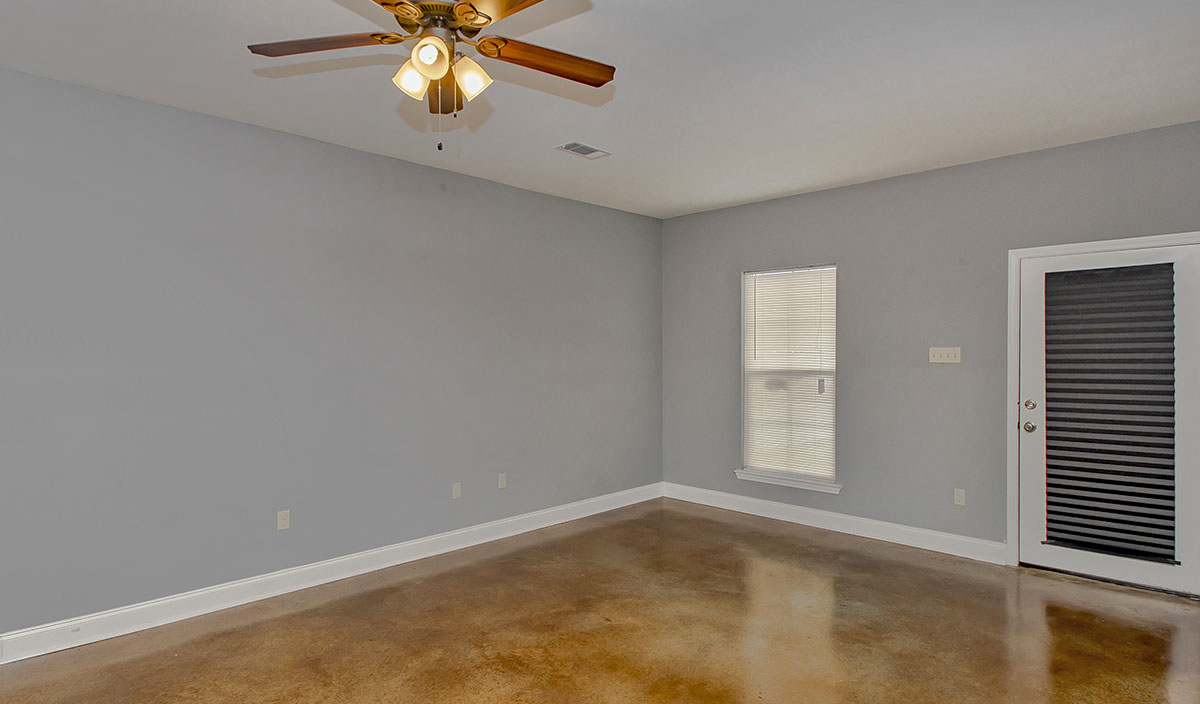
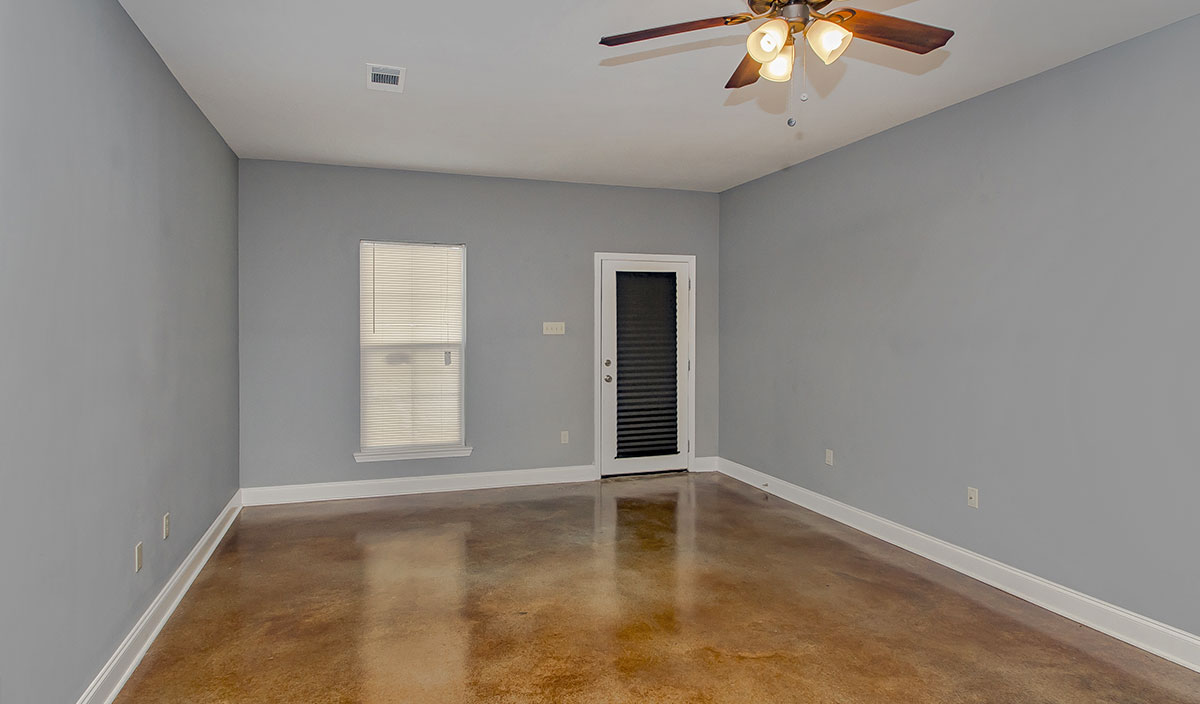
Living Room in the Magnolia Meadows Town homes
Master Bedroom in the Magnolia Meadows Townhomes
Open floor plan in the Magnolia Meadows Townhomes
Prev
Next

Where We’re located:

Carville, LA 70721

Driving Directions

5650 Magnolia Springs Pkwy, St Gabriel, LA 70721

From Gonzales via LA-429
Take Highway 44 (N. Burnside Ave) to LA-429/W Cornerview St.
Take a right on LA-429/W Cornerview St and go 4.6 miles until you reach Highway 73.
Turn left onto LA-73 S (Old Jefferson Hwy) and head to LA-75 (River Road)
Turn right onto LA-75 and go 4.7 miles. Magnolia Springs Parkway will be on your right.
View in Google Maps
From Nicholson Dr (Hwy 30) in Baton Rouge
Headed South on Nicholson Dr / Hwy 30 for 9 miles
Turn right on Hwy. 74 for .3 miles, then left on Hwy 75 for 3.5 miles.
Take a right onto River Road, the Magnolia Springs Subdivision is on the right.
View in Google Maps
From I-10, Exit 177
Take Exit 177 for LA-30 toward St. Gabriel
Turn left onto LA-30 W/Louisiana 30 W (signs for St. Gabriel)
After about 4 miles, turn left onto LA-73 S for 1.6 miles
Turn right onto LA-75 until River Road
Turn right on River Road, the Magnolia Springs Subdivision is on the right.
View in Google Maps

A Practical Guide to Preventing Pests Around Your Property

May 7, 2023 by davidblazier@gmail.com

Pest problems often begin with small conditions that are easy to overlook. Standing water, gaps around doors, overgrown vegetation, accessible food, damaged screens, and piles of debris can all create opportunities for insects, rodents, and other unwanted visitors to settle around a property.

Preventing infestations is usually easier and less expensive than dealing with an established problem. A practical pest-prevention plan should combine routine cleaning, structural maintenance, landscaping, moisture control, and regular inspections.

Inspect the Property Regularly

Routine inspections can help identify pest activity before it becomes widespread.

Look around:

  • Foundations
  • Doors
  • Windows
  • Rooflines
  • Attics
  • Basements
  • Garages
  • Storage areas

Watch for droppings, nesting materials, damaged packaging, unusual odors, or visible insects.

Seal Gaps Around Doors

Small spaces around exterior doors can provide entry points for pests.

Inspect:

  • Door frames
  • Thresholds
  • Weatherstripping
  • Garage doors

Replace worn seals and repair visible gaps.

Even relatively small openings may be large enough for insects or rodents to enter.

Check Windows and Screens

Damaged window screens can make it easy for flying insects to get inside.

Inspect screens for:

  • Holes
  • Tears
  • Loose edges
  • Damaged frames

Repair or replace them when necessary.

Windows should also close properly without leaving gaps.

Inspect the Foundation

Cracks and openings around the foundation can provide hidden entry points.

Look for:

  • Cracks
  • Utility penetrations
  • Open vents
  • Gaps around pipes

Appropriate sealing materials can help close many minor openings.

Larger structural cracks may need professional evaluation.

Maintain Exterior Walls

Damaged siding, trim, or masonry can create spaces where pests hide or enter the building.

Inspect exterior surfaces periodically for:

  • Loose boards
  • Rot
  • Cracks
  • Missing mortar

Repairing damaged materials also helps protect the property from moisture.

Keep Food Properly Stored

Food attracts many common household pests.

Store dry goods in sealed containers whenever practical.

Pay particular attention to:

  • Flour
  • Cereal
  • Rice
  • Pet food
  • Snacks

Check pantry shelves periodically for spills, crumbs, or damaged packaging.

Clean the Kitchen Daily

Kitchens provide food and moisture, making them one of the most attractive areas for pests.

Daily habits should include:

  • Wiping counters
  • Washing dishes
  • Cleaning spills
  • Sweeping crumbs
  • Emptying food waste when necessary

Leaving dirty dishes overnight can provide an easy food source.

Clean Under Appliances

Food particles often collect in areas that are rarely visible.

Periodically clean beneath and behind:

  • Refrigerators
  • Ovens
  • Microwaves
  • Dishwashers

These hidden spaces can provide both food and shelter.

Keep Trash Containers Clean

Trash bins can attract insects and rodents.

Use containers with secure lids and empty them regularly.

Outdoor bins should also be washed occasionally to remove food residue and odors.

Position them away from entrances when possible.

Manage Recycling Properly

Recycling containers can also attract pests when bottles, cans, or packaging contain food residue.

Rinse containers before placing them in recycling bins.

Keep outdoor recycling areas organized and clean.

Eliminate Standing Water

Many pests depend on water.

Inspect the property for standing water in:

  • Buckets
  • Planters
  • Gutters
  • Birdbaths
  • Outdoor furniture
  • Drainage areas

Removing unnecessary standing water can reduce conditions that support mosquitoes and other insects.

Repair Plumbing Leaks

Indoor leaks can provide a consistent water source.

Check beneath:

  • Sinks
  • Toilets
  • Appliances
  • Utility areas

Even small leaks can create damp conditions that attract pests and contribute to mold or structural deterioration.

Inspect Basements and Crawl Spaces

Dark, damp areas are particularly attractive to many pests.

Look for:

  • Moisture
  • Cracks
  • Damaged insulation
  • Droppings
  • Nesting material

Improve ventilation and address water intrusion where appropriate.

Maintain Gutters

Clogged gutters can hold moisture and organic debris.

Keep gutters clear of:

  • Leaves
  • Twigs
  • Dirt
  • Seeds

Properly functioning gutters also help move water away from foundations.

Check Downspouts

Downspouts should direct water away from the building.

Poor drainage near the foundation can increase moisture and create favorable conditions for insects.

Extend or redirect downspouts when necessary.

Trim Vegetation Away From the Building

Shrubs and other plants touching exterior walls can provide pathways for insects.

Maintain some separation between vegetation and the structure.

Regular trimming also makes it easier to inspect the foundation.

Maintain Trees Near the Property

Branches that touch roofs or walls can create access routes for squirrels, insects, and other pests.

Routine tree maintenance can help maintain appropriate clearance around buildings. A company such as Crane & Canopy Tree Care Inc. may be considered when larger trees require professional pruning or assessment.

Removing damaged branches can also reduce risks during storms.

Keep Grass Maintained

Tall grass provides shelter for many insects and small animals.

Regular mowing can make outdoor areas less attractive to pests while also improving property appearance.

Pay special attention to grass near foundations, sheds, and fences.

Remove Leaf Piles

Leaves provide excellent hiding places for insects.

Do not allow large piles to remain:

  • Against foundations
  • Under decks
  • Near garages
  • Around sheds

Compost or remove them according to local practices.

Store Firewood Away From the House

Firewood can attract:

  • Termites
  • Ants
  • Beetles
  • Rodents

Keep wood elevated from the ground when practical and store it away from exterior walls.

Avoid bringing large quantities indoors at once.

Reduce Outdoor Clutter

Unused materials can create shelter for pests.

Organize or remove:

  • Old containers
  • Broken furniture
  • Scrap wood
  • Cardboard
  • Equipment

A cleaner yard provides fewer hiding places.

Inspect Storage Sheds

Sheds can become attractive nesting locations because they are often quiet and rarely disturbed.

Periodically inspect stored materials for:

  • Nests
  • Droppings
  • Chewed packaging

Keep items organized and elevated where possible.

Use Sealed Storage Containers

Cardboard boxes are convenient but may not provide much protection against pests.

For long-term storage, consider durable plastic containers with secure lids.

These can be especially useful in:

  • Garages
  • Attics
  • Basements
  • Sheds

Keep Garages Organized

Garages often provide both entry points and shelter.

Avoid leaving food, pet supplies, or trash uncovered.

Inspect the edges of garage doors and exterior walls for openings.

Check the Attic

Attics can provide warm, protected nesting spaces.

Look for:

  • Droppings
  • Scratching sounds
  • Damaged insulation
  • Nesting materials

Exterior roof openings and vents should also be inspected.

Protect Roof Vents

Roof and attic vents need airflow but should not provide unrestricted access to animals.

Appropriate screening may help prevent pests from entering while maintaining ventilation.

Inspect screens periodically for damage.

Watch for Pest Activity Around Rooflines

Birds, rodents, insects, and other animals may exploit damaged roof components.

Look for:

  • Loose soffits
  • Damaged fascia
  • Openings
  • Missing vent covers

Roof repairs can eliminate potential entry points.

Monitor for Bee Activity

Bees can sometimes build nests in walls, rooflines, trees, or other areas close to buildings.

Because stinging insects may become defensive when disturbed, established colonies should be approached cautiously. Property owners dealing with this issue may need professional delray beach bee removal rather than attempting to remove a difficult or inaccessible nest without appropriate equipment.

The objective should be to address the colony safely while identifying how the location became accessible.

Do Not Ignore Small Insect Problems

Seeing one or two insects may not always indicate an infestation, but recurring sightings deserve attention.

Track:

  • Where insects appear
  • Time of day
  • Frequency
  • Nearby food or moisture

Patterns can provide useful clues about their source.

Inspect for Termite Warning Signs

Termites can cause substantial damage while remaining hidden.

Possible warning signs include:

  • Mud tubes
  • Hollow-sounding wood
  • Discarded wings
  • Damaged trim

Suspected termite activity should be evaluated before structural damage progresses.

Watch for Ant Trails

Ants often establish visible trails between food and nesting areas.

Cleaning the trail alone may provide temporary relief but may not eliminate the colony.

Identify potential food sources and entry points while monitoring where the insects are traveling.

Address Cockroach Activity Quickly

Cockroaches reproduce quickly and can hide in small cracks.

They are often attracted to:

  • Food residue
  • Moisture
  • Warm areas

Consistent cleaning and leak repair can help make the environment less attractive.

Persistent activity may require professional treatment.

Look for Signs of Rodents

Common signs include:

  • Droppings
  • Gnaw marks
  • Scratching noises
  • Damaged food packaging

Rodents can enter through surprisingly small openings.

Locate and seal entry points while addressing existing activity.

Protect Pet Food

Pet food should not remain accessible overnight if pests are a concern.

Store extra food in sealed containers and clean feeding areas regularly.

Outdoor pet bowls should not be left filled unnecessarily.

Clean Outdoor Cooking Areas

Barbecue grills and outdoor kitchens can attract pests if food residue remains.

After cooking:

  • Remove scraps
  • Wipe surfaces
  • Clean grease
  • Empty nearby trash

Keep storage compartments free from spilled food.

Maintain Compost Areas

Composting can be useful, but poorly managed compost may attract pests.

Use an appropriate container and avoid adding materials that are unsuitable for the system.

Keep the surrounding area clean.

Inspect Outdoor Structures

Pergolas, decks, fences, and sheds should be checked periodically.

Look for:

  • Wood deterioration
  • Nesting activity
  • Insect damage
  • Open cavities

Early repairs can reduce attractive shelter locations.

Keep Deck Areas Clean

Leaves and debris can accumulate beneath decks.

These areas may become damp and undisturbed.

When accessible, remove buildup and ensure water can drain appropriately.

Reduce Moisture Around Air-Conditioning Equipment

Condensation and drainage around HVAC equipment can sometimes create persistent wet areas.

Make sure condensate drains function correctly and water does not pool near foundations.

Inspect Outdoor Faucets

Leaking faucets can create moist soil around buildings.

Replace damaged washers or fixtures and check connections for leaks.

Small repairs can remove a dependable water source for pests.

Keep Bird Feeders Away From Structures

Bird feeders may also attract rodents and insects because seeds fall to the ground.

Position feeders away from exterior walls and clean spilled seed regularly.

Avoid allowing large amounts of old seed to accumulate.

Inspect Deliveries and Packages

Pests can occasionally enter buildings through boxes or shipped materials.

Inspect packages before placing them in long-term storage.

Dispose of unnecessary cardboard rather than allowing it to accumulate.

Be Careful With Secondhand Furniture

Used furniture can sometimes carry unwanted insects.

Inspect items carefully before bringing them indoors.

Pay particular attention to:

  • Seams
  • Crevices
  • Drawers
  • Upholstery

Professional inspection may be appropriate if there is uncertainty.

Establish a Regular Cleaning Routine

Consistent cleaning removes food, debris, and hiding places.

A routine can include:

  • Daily kitchen cleanup
  • Weekly vacuuming
  • Regular trash removal
  • Periodic deep cleaning

The cleaner and less cluttered a property is, the easier it becomes to notice unusual activity.

Keep Records of Pest Activity

If pest problems occur repeatedly, keeping simple records can help identify patterns.

Note:

  • Dates
  • Locations
  • Pest types
  • Treatment performed

This information can be useful when determining whether additional measures are necessary.

Schedule Preventive Inspections

Some properties benefit from periodic professional inspection, particularly if they have experienced repeated pest issues.

A provider such as R&R Pest Control may be considered when property owners want help evaluating pest activity and determining what preventive measures may be appropriate.

Professional inspections can help identify less obvious entry points or nesting areas.

Consider Broader Pest Management

Large properties, commercial facilities, or recurring infestations may require a more structured approach.

In these situations, Special Services Pest Management may be considered when professional assistance is needed to assess conditions, develop a treatment strategy, or establish ongoing prevention measures.

The best approach typically combines treatment with improvements to sanitation, maintenance, and exclusion.

Avoid Relying Only on Pesticides

Chemical treatments may help control certain pests, but they do not always address the reason pests entered the property.

Long-term prevention should also include:

  • Closing entry points
  • Removing food sources
  • Reducing water
  • Managing vegetation
  • Eliminating shelter

Correcting environmental conditions can make treatments more effective.

Use Outdoor Lighting Strategically

Some insects are attracted to lights near entrances.

Where appropriate, adjust fixture placement or select lighting designed to reduce unnecessary insect attraction.

Keeping doors closed also limits opportunities for insects to enter.

Check Weatherstripping Seasonally

Weatherstripping wears gradually.

Inspect it before periods when pests commonly seek indoor shelter.

Replacing damaged seals can improve both pest prevention and energy efficiency.

Pay Attention During Seasonal Changes

Pest behavior often changes with the weather.

Hot, dry periods may cause insects to seek water indoors, while colder temperatures can encourage rodents to look for shelter.

Seasonal inspections allow homeowners to respond before activity increases.

Inspect After Severe Weather

Storms can create new pest entry points by damaging:

  • Roofing
  • Screens
  • Siding
  • Trees
  • Fencing

Conduct a quick exterior inspection after significant weather events.

Coordinate Pest Prevention With Home Repairs

Renovations can expose hidden pest activity or temporarily open areas of the building.

When completing repairs, inspect wall cavities, flooring, and exterior openings before closing them again.

Construction is often a good opportunity to improve sealing.

Teach Household Members Basic Prevention

Everyone using the property can contribute.

Simple habits include:

  • Closing doors
  • Cleaning spills
  • Storing food properly
  • Reporting insects
  • Keeping clutter under control

Consistency makes prevention significantly easier.

Focus on Long-Term Prevention

Successful pest control is rarely based on one action.

Instead, it comes from maintaining conditions that make the property less appealing and less accessible to pests.

That means regularly reviewing:

  • Food
  • Water
  • Shelter
  • Entry points

Reducing these four factors can prevent many common pest problems.

Conclusion

Preventing pests around a property requires consistent attention to both the building and the surrounding landscape.

Sealing gaps, controlling moisture, maintaining landscaping, storing food properly, reducing clutter, managing waste, and inspecting less frequently used spaces can all reduce the likelihood of an infestation.

The most effective strategy is proactive rather than reactive. By correcting attractive conditions before pests establish themselves, property owners can protect buildings, reduce maintenance problems, and create a cleaner and more comfortable environment throughout the year.

Filed Under: news

Reader Interactions

Primary Sidebar

Looking to Buy a Home?

Magnolia Springs Homes

Search Our Listings

Contact Us Anytime!

Magnolia Meadows Townhomes

5650 Magnolia Springs Parkway
St. Gabriel, LA 70721
Call (225) 925-5600
Email Us Directly
GET DIRECTIONS
Copyright © 2026, Magnolia Meadows Townhomes and Cape Realty, LLC