• Skip to content
  • Skip to primary sidebar

Magnolia Meadows Townhomes | Affordable Luxury in St Gabriel, LA

A Town Home Community

  • Listings
    • Image Gallery
  • Our Location
  • About
    • FAQ
    • Helpful Links
    • Privacy Policy
  • Contact
  • Find New Homes

Reserve Your Luxurious Townhome Today!

Der Kauf von Ivermectin rezeptfrei kaufen ist rechtlich nicht zulässig und wird von seriösen Apotheken nicht angeboten. Ivermectin Tabletten sind ein wirksames Medikament zur Behandlung bestimmter parasitärer Infektionen wie Krätze, Strongyloidiasis oder lymphatische Filariose. Das Präparat enthält den Wirkstoff Ivermectin in Dosierungen wie 3 mg pro Tablette und wird vom Arzt verschrieben. Es blockiert das Nervensystem der Parasiten, was zu deren Absterben führt.

Nestled in beautiful St. Gabriel, Louisiana, the Magnolia Meadows Townhomes are located in the new Magnolia Springs neighborhood on historic River Road. If you are looking for a new townhome for rent, you’ll appreciate the affordable luxury our community of town houses and single family new homes provides!

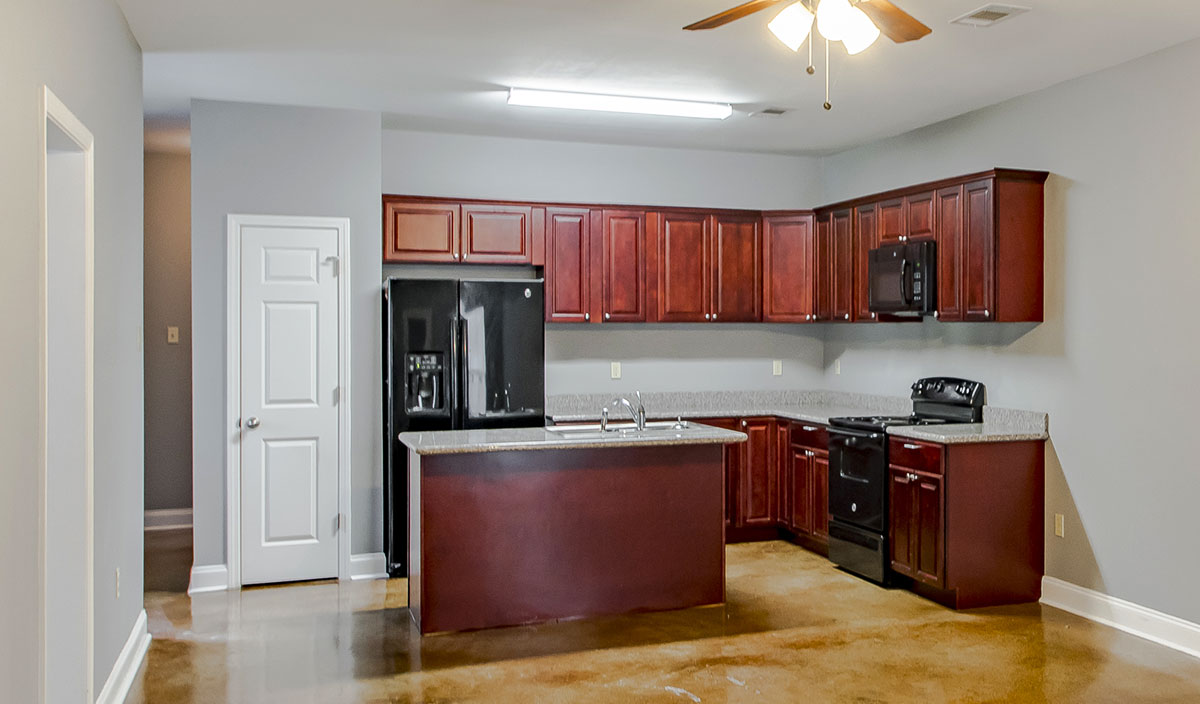
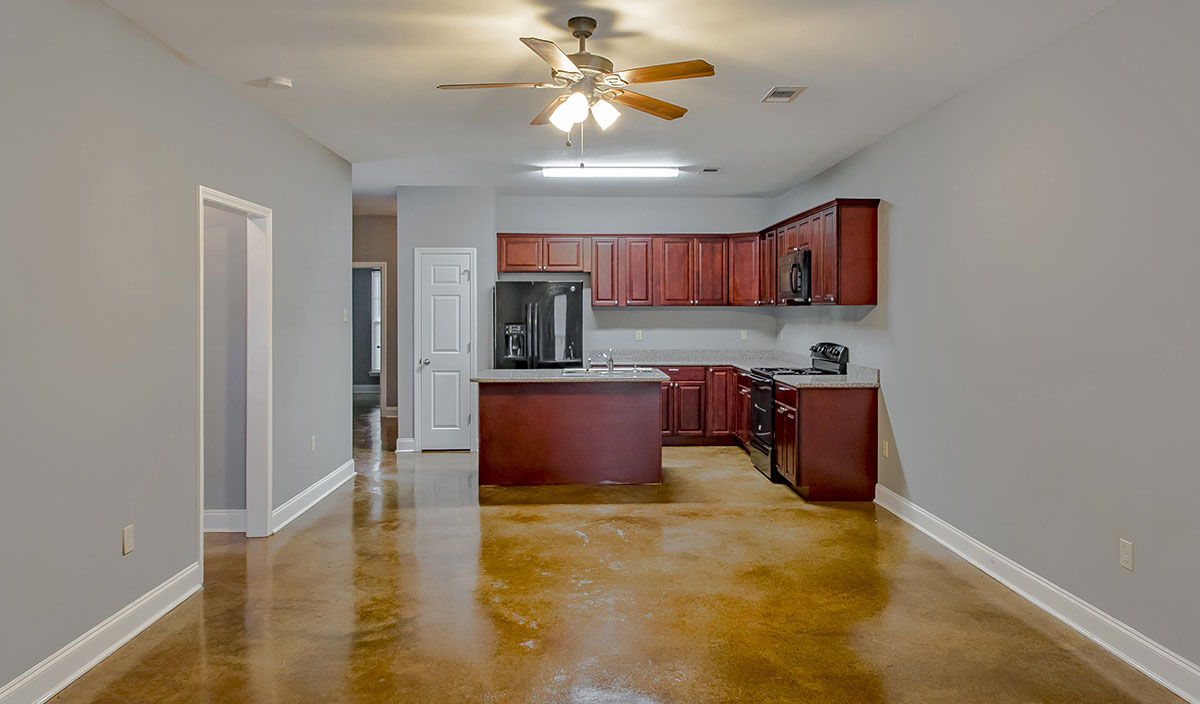
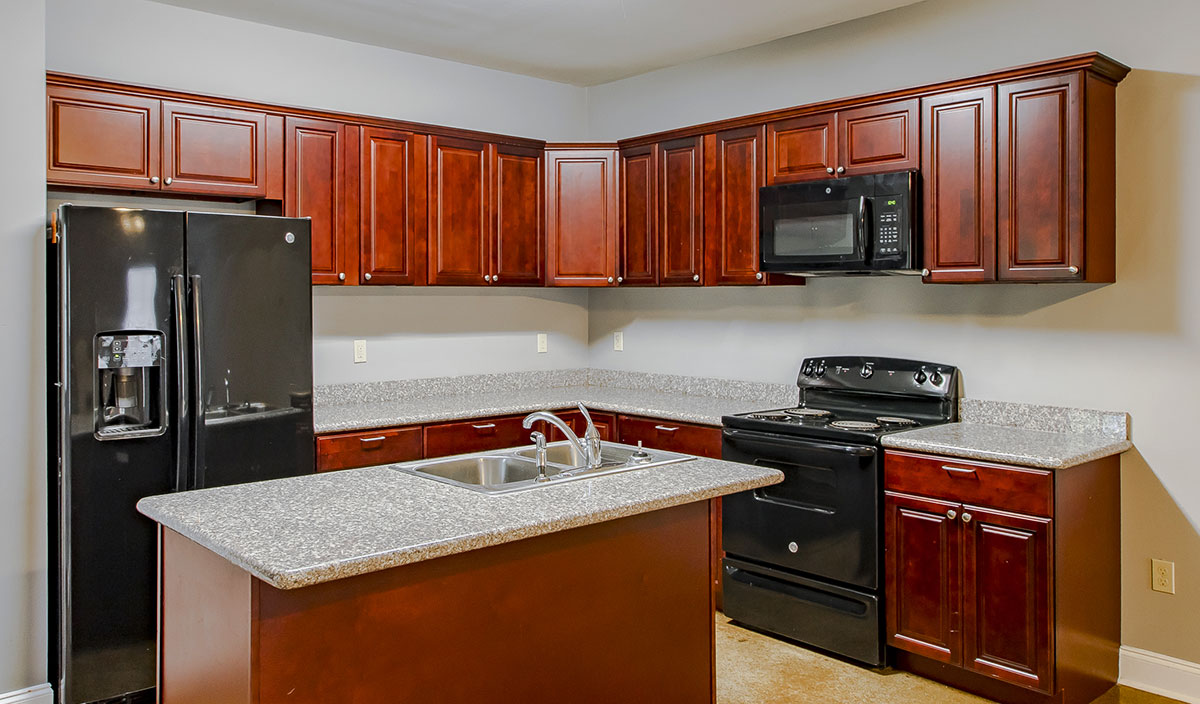
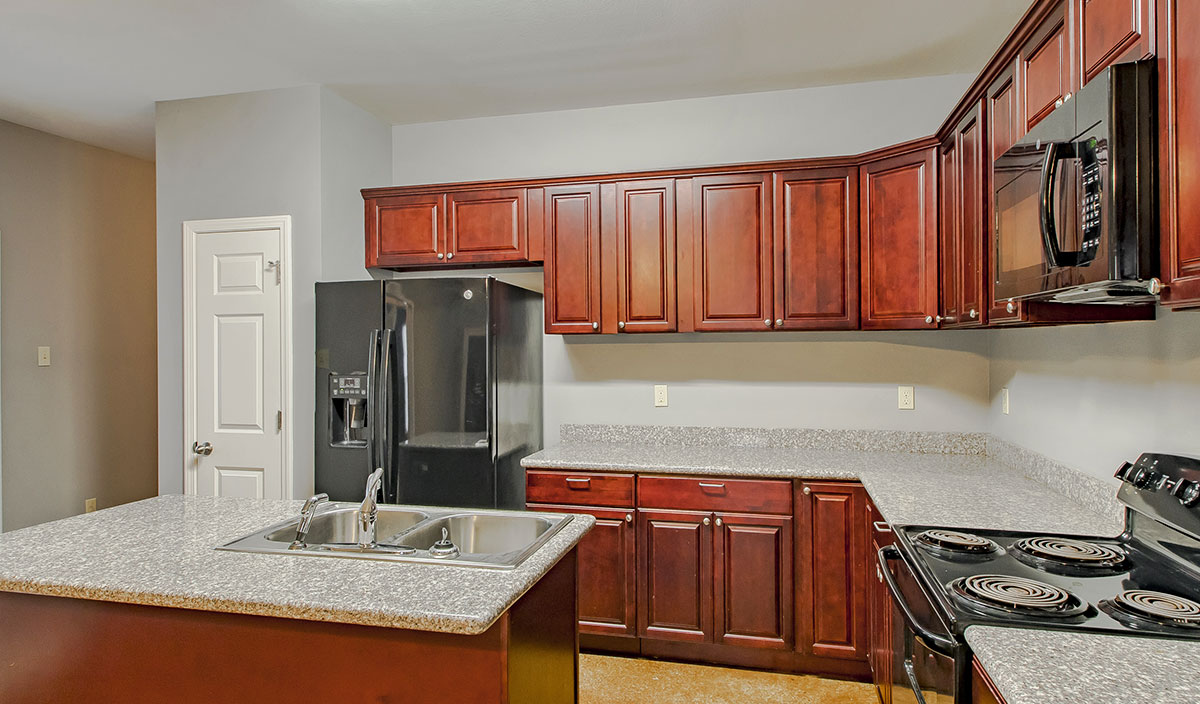
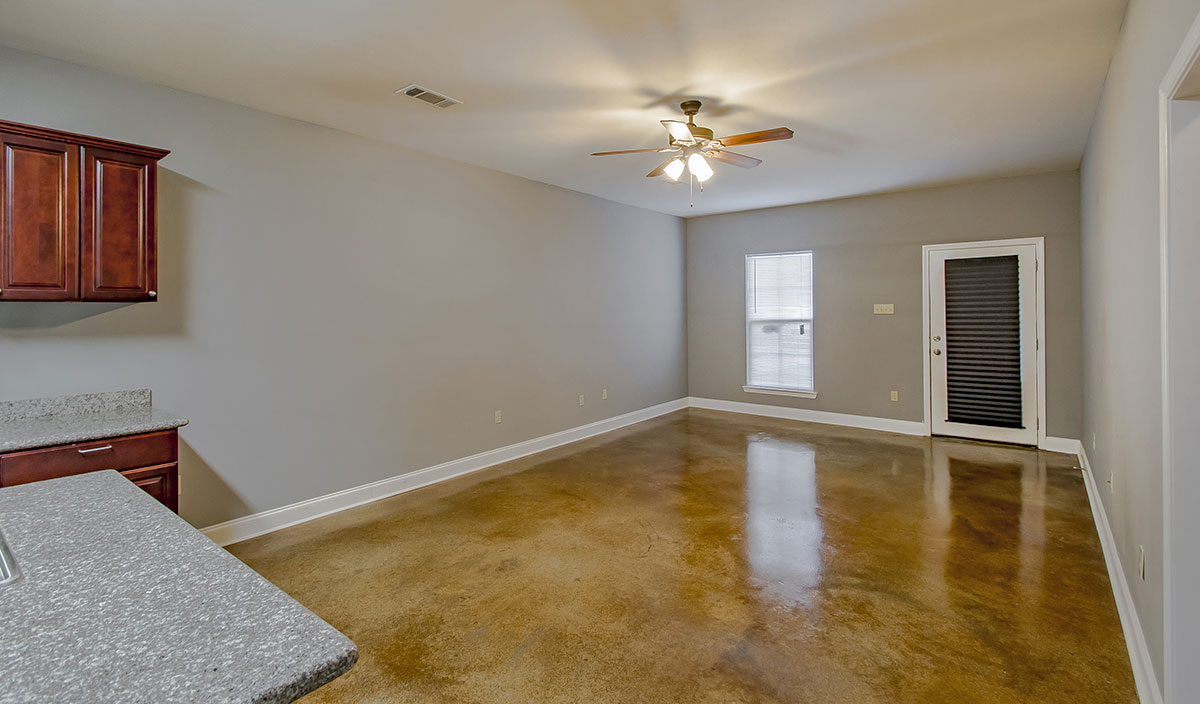
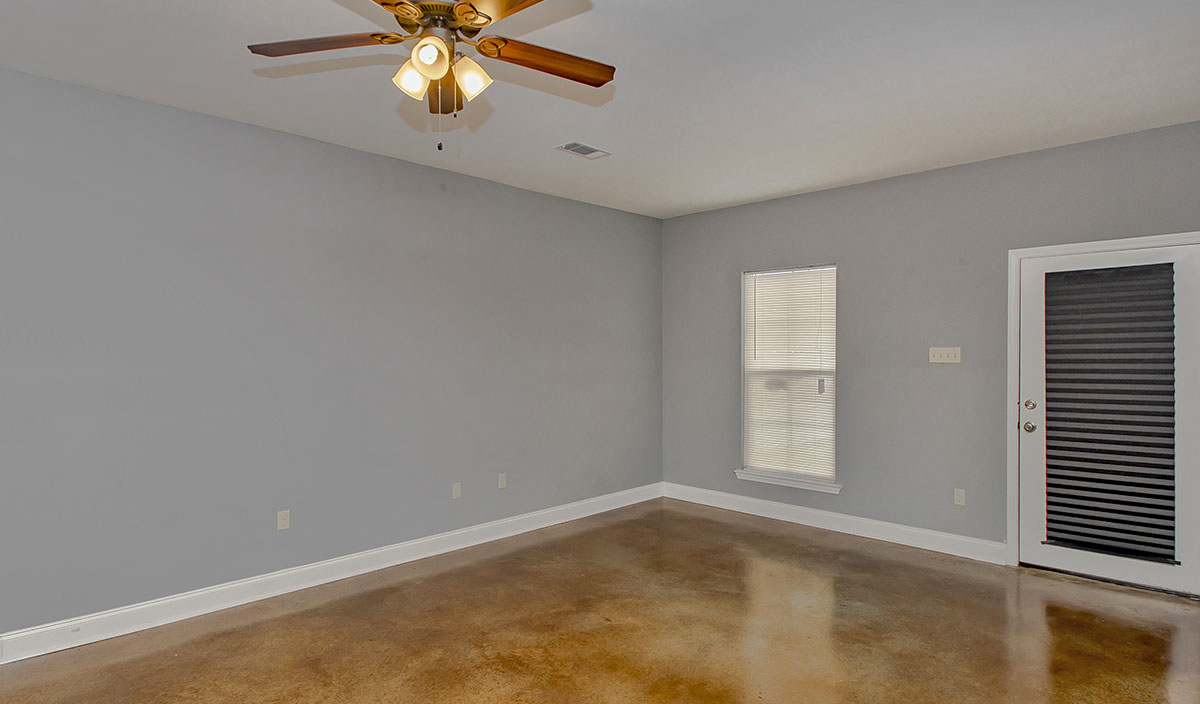
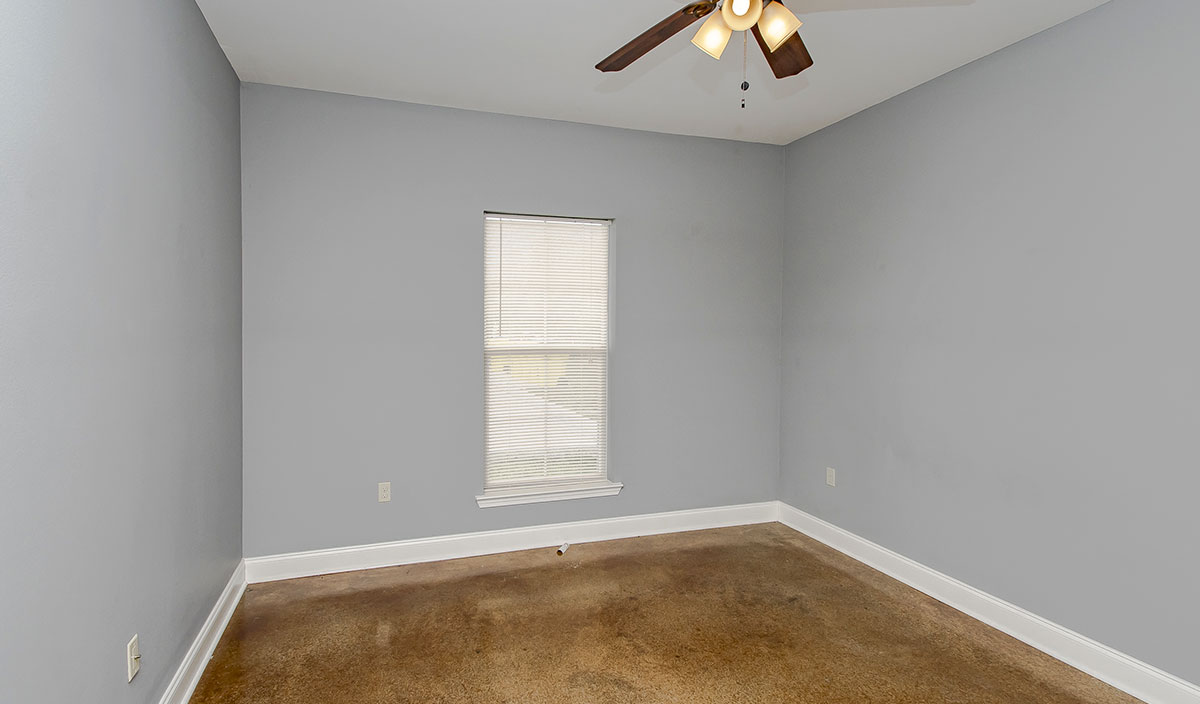
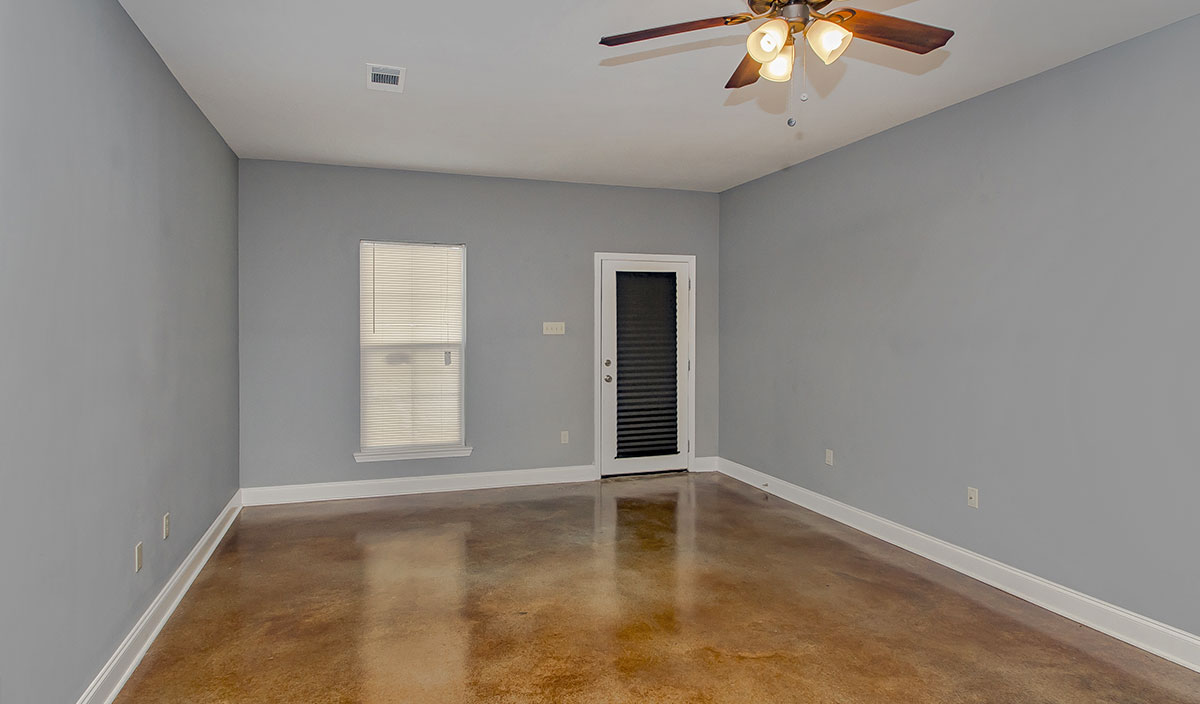
With a professionally landscaped exterior, paved walkways, exterior lighting, and a courtyard patio, you will certainly enjoy spending time outside. But you’ll truly appreciate the contemporary look & feel inside your spacious home. All interiors feature stained flooring, a designer paint scheme, custom kitchen cabinets, black GE appliances (stove, micro hood, refrigerator), and ceiling fans. See the http://magnoliameadowsla.com/oc-matchmaker/ of each option.

Magnolia Meadows Townhomes offer the privacy and tranquility of a small community while only minutes away from the conveniences of nearby shopping and fine dining. Our location offers a peaceful retreat from the traffic and congestion of nearby cities like Baton Rouge, Gonzales, Prairieville, and other towns in Ascension Parish. See ahttp://magnoliameadowsla.com/matchmaking-services/ of the neighborhood.
http://magnoliameadowsla.com/casual-vs-serious-relationship/
Parking area in front of the Magnolia meadows town house
http://magnoliameadowsla.com/indy-hookup/
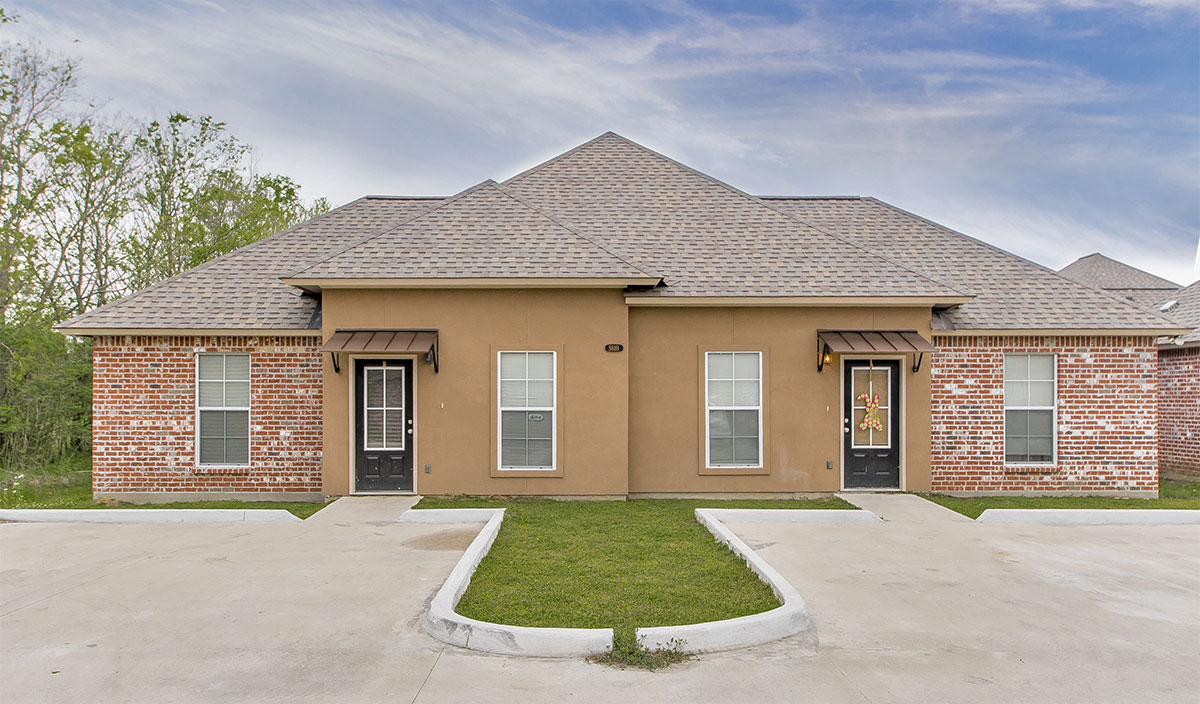
Exterior view of the town home at Magnolia Meadows
los angeles matchmakers
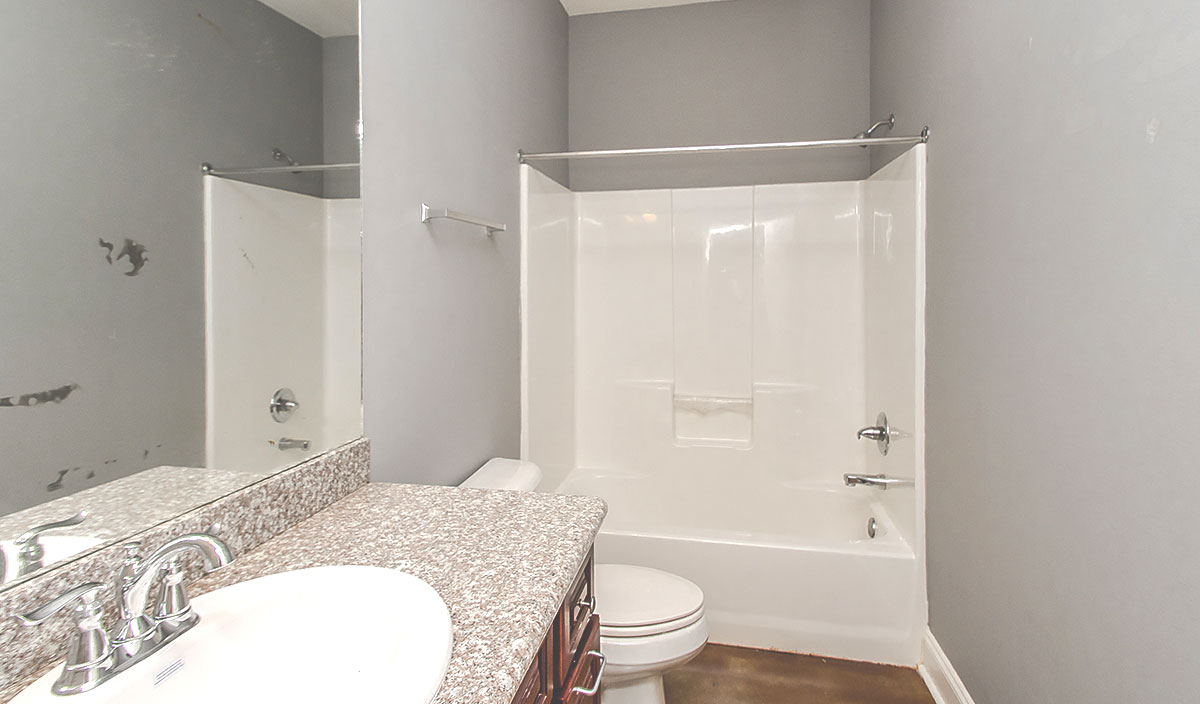
Guest bathroom in the Magnolia Meadows Townhomes
Bathroom in the Magnolia Meadows Townhomes
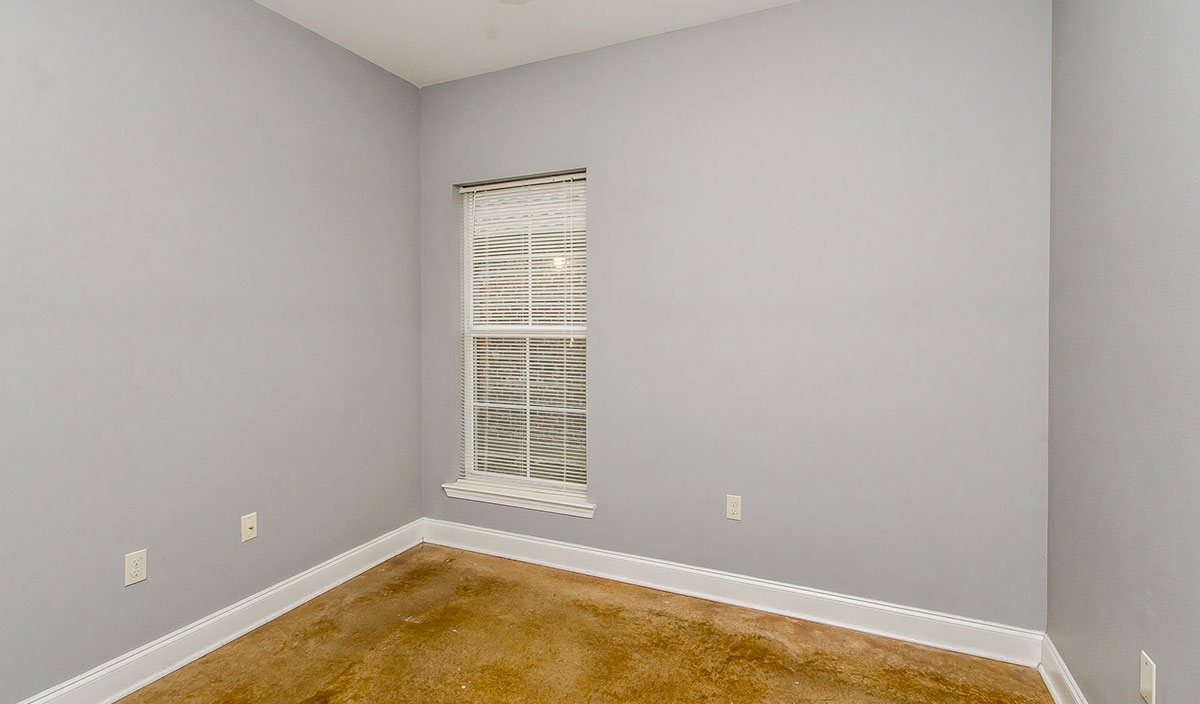
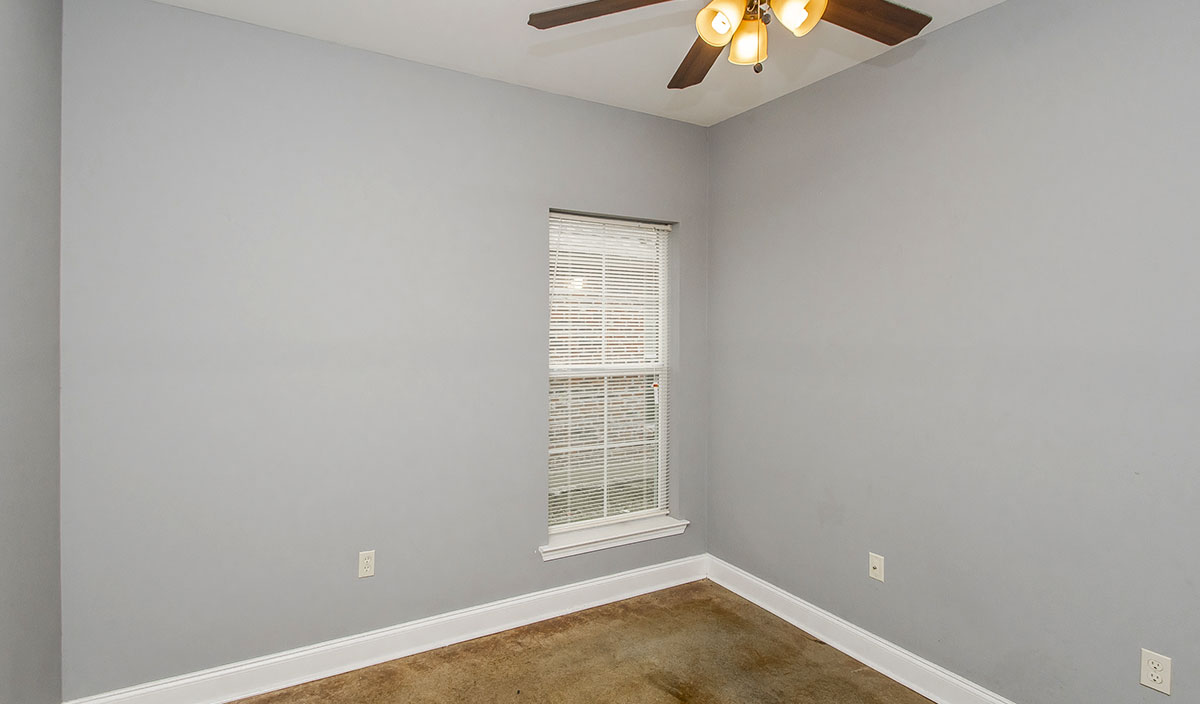
Bedroom of the Magnolia Meadows town home
Guest bedroom in the Magnolia Meadows Townhomes
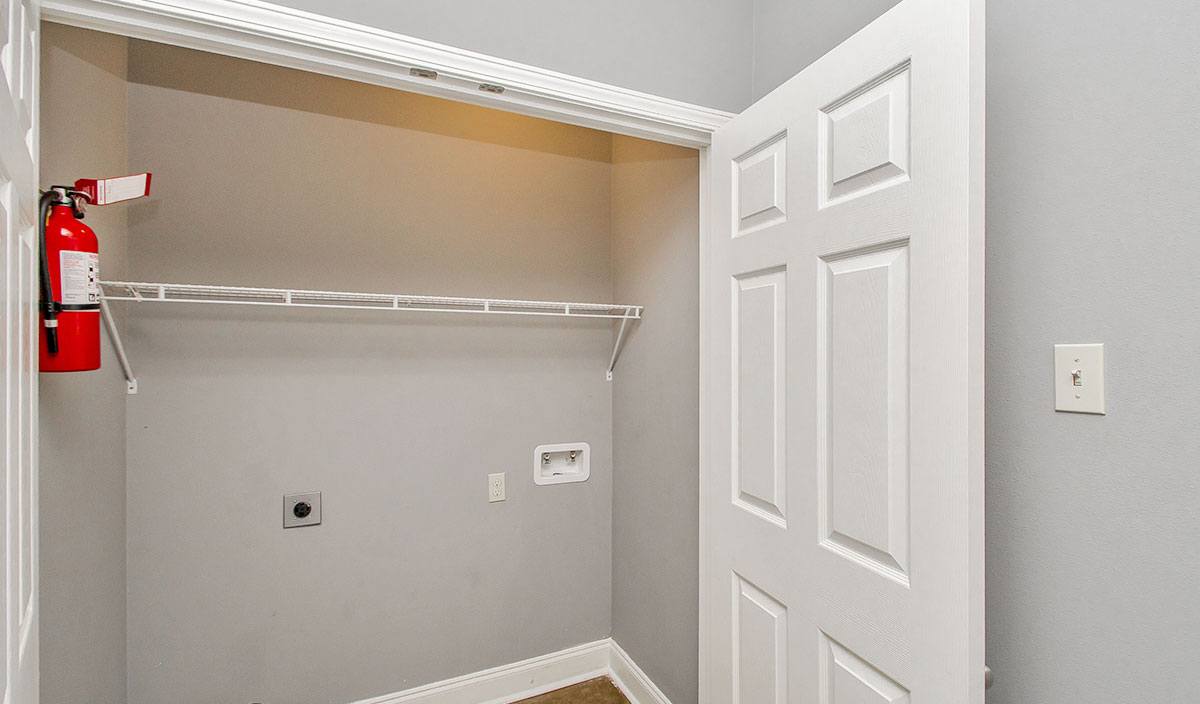
Closet in the Magnolia Meadows Townhomes
Exterior view of the Magnolia Meadows townhouse
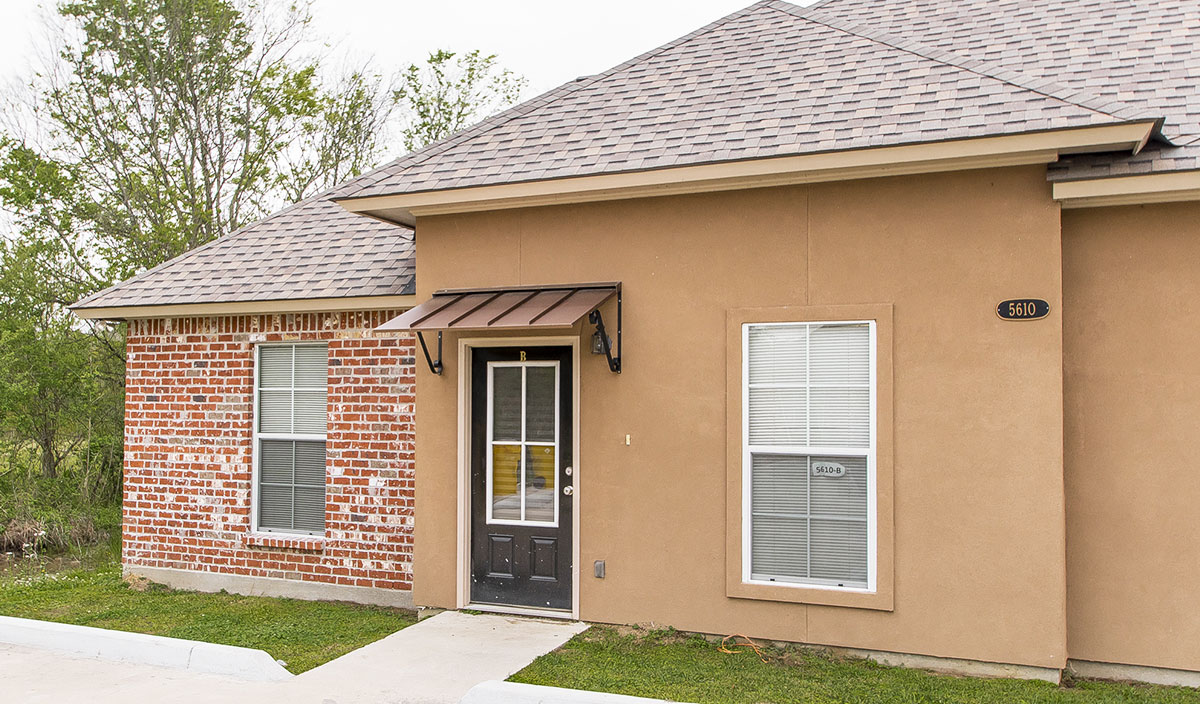
Front door at the Magnolia Meadows Town House
View of the Magnolia Meadows kitchen
Full view of the custom kitchen at Magnolia Meadows
The kitchen in the Magnolia Meadows Townhomes
Kitchen area of the townhomes in Magnolia Meadows
Full living area in the Magnolia Meadows Town houses
Living Room in the Magnolia Meadows Town homes
Master Bedroom in the Magnolia Meadows Townhomes
Open floor plan in the Magnolia Meadows Townhomes
Prev
Next

Where We’re located:

Carville, LA 70721

Driving Directions

5650 Magnolia Springs Pkwy, St Gabriel, LA 70721

From Gonzales via LA-429
Take Highway 44 (N. Burnside Ave) to LA-429/W Cornerview St.
Take a right on LA-429/W Cornerview St and go 4.6 miles until you reach Highway 73.
Turn left onto LA-73 S (Old Jefferson Hwy) and head to LA-75 (River Road)
Turn right onto LA-75 and go 4.7 miles. Magnolia Springs Parkway will be on your right.
View in Google Maps
From Nicholson Dr (Hwy 30) in Baton Rouge
Headed South on Nicholson Dr / Hwy 30 for 9 miles
Turn right on Hwy. 74 for .3 miles, then left on Hwy 75 for 3.5 miles.
Take a right onto River Road, the Magnolia Springs Subdivision is on the right.
View in Google Maps
From I-10, Exit 177
Take Exit 177 for LA-30 toward St. Gabriel
Turn left onto LA-30 W/Louisiana 30 W (signs for St. Gabriel)
After about 4 miles, turn left onto LA-73 S for 1.6 miles
Turn right onto LA-75 until River Road
Turn right on River Road, the Magnolia Springs Subdivision is on the right.
View in Google Maps

How to Identify Which Home Improvements Should Come First

April 6, 2023 by davidblazier@gmail.com

Home improvement projects can make a property more comfortable, functional, and attractive. However, deciding where to begin can be challenging, especially when several areas of the home need attention. From repairing an aging roof to upgrading a kitchen or improving outdoor spaces, homeowners often have to balance their priorities with their available budget.

The most effective approach is to evaluate each project based on urgency, safety, long-term value, and its impact on everyday living. By understanding which improvements deserve immediate attention and which can wait, homeowners can create a practical renovation plan that makes better use of their time and money.

1. Address Safety Concerns Before Cosmetic Improvements

Safety should always be the first consideration when prioritizing home improvements. Problems involving electrical systems, structural components, plumbing, and other essential features can create risks that extend beyond appearance or convenience.

For example, exposed wiring, frequently tripping circuit breakers, and malfunctioning electrical outlets may indicate issues that require professional attention.

Homeowners experiencing these problems can consult the villages electrician to assess their electrical systems and determine whether repairs or upgrades are necessary.

Other safety-related concerns may include damaged stairs, unstable railings, water leaks near electrical equipment, or deteriorating structural supports.

Addressing these problems before beginning decorative upgrades can help prevent accidents and reduce the likelihood of more expensive repairs.

2. Identify Repairs That Could Prevent Further Damage

Some home improvement projects become more expensive the longer they are postponed. A small roof leak, for example, can eventually lead to damaged insulation, deteriorating drywall, and moisture problems.

Homeowners should inspect their property regularly for signs of damage, particularly in areas exposed to weather and moisture.

Roofing problems deserve particular attention because the roof protects the entire structure. Missing shingles, damaged flashing, and recurring leaks may require repairs before other renovation projects begin.

Working with an experienced company such as RCC Roofing & Construction can help homeowners evaluate roofing conditions and understand the scope of necessary improvements.

Prioritizing repairs that prevent further deterioration can protect the property and reduce the risk of unexpected expenses.

3. Evaluate the Condition of Essential Home Systems

A home’s major systems play an important role in everyday comfort and functionality. Heating, cooling, plumbing, and electrical equipment should be evaluated before homeowners invest heavily in cosmetic renovations.

An aging HVAC system, for example, may struggle to maintain comfortable temperatures while consuming more energy than necessary.

Similarly, deteriorating plumbing can create leaks that damage walls, floors, and cabinetry.

Homeowners should consider the age, condition, and maintenance history of these systems when deciding which improvements should come first.

Replacing equipment that is approaching the end of its useful life may be more practical than completing a decorative renovation that could later need to be disturbed for repairs.

4. Consider How Each Improvement Affects Daily Life

Not every home improvement needs to address an emergency. Some projects deserve priority because they make everyday routines easier and more comfortable.

A kitchen with insufficient counter space may create frustration during meal preparation. A bathroom with limited storage or outdated fixtures may be inconvenient for a growing household.

Homeowners should identify the areas of their property that cause the most frequent problems.

Consider how often a space is used, how many household members depend on it, and whether the proposed improvement will address a recurring inconvenience.

Projects that solve everyday challenges may provide greater practical benefits than upgrades focused entirely on appearance.

5. Establish a Realistic Improvement Budget

Budgeting is an essential part of prioritizing renovation projects. Even when several improvements are desirable, homeowners may not have the resources to complete everything at once.

Start by estimating the cost of each project, including materials, labor, permits, and potential unexpected expenses.

Obtaining multiple contractor estimates can help establish realistic expectations and identify differences in the proposed scope of work.

It is also important to maintain a financial reserve for urgent repairs that may arise during the renovation process.

Once the expected costs are clear, homeowners can organize improvements into projects that require immediate funding, those that can be completed gradually, and those that should be postponed.

This approach helps prevent overspending while allowing essential work to move forward.

6. Prioritize Improvements That Support Energy Efficiency

Energy-efficient upgrades can improve indoor comfort and potentially reduce household operating costs.

However, not every energy-saving project provides the same benefit for every property.

Homeowners should begin by identifying the areas where their home loses energy. Insufficient attic insulation, gaps around windows, inefficient heating equipment, and poorly sealed doors can all contribute to unnecessary energy consumption.

An energy assessment can help identify improvements that are likely to make a meaningful difference.

In some cases, relatively inexpensive projects such as air sealing and insulation improvements may be more practical than immediately replacing major equipment.

Evaluating the expected energy savings alongside installation costs can help homeowners establish a sensible order for these improvements.

7. Consider the Long-Term Value of Each Project

When deciding between multiple renovations, homeowners should think about how each project may affect the property’s long-term condition and market appeal.

Kitchen updates, bathroom improvements, roofing repairs, and energy-efficient features may appeal to future buyers, although their financial returns vary depending on the property and local market.

Homeowners planning to sell in the near future may place greater emphasis on repairs and updates that address buyer concerns.

Those who expect to remain in their homes for many years may prioritize improvements that support personal comfort, accessibility, and changing household needs.

It is important to distinguish between improvements that increase potential resale value and those that primarily provide lifestyle benefits.

Both can be worthwhile, but understanding the difference helps homeowners make decisions that align with their goals.

8. Complete Projects in the Right Sequence

The order in which home improvements are completed can influence the overall cost and efficiency of a renovation.

For example, replacing flooring before repairing damaged plumbing may result in newly installed materials needing to be removed.

Similarly, painting interior walls before completing electrical modifications can lead to additional patching and repainting.

Projects involving structural repairs, plumbing, electrical systems, and other work behind walls should generally be completed before final decorative finishes.

Homeowners planning multiple improvements should create a project sequence that minimizes duplicated labor and prevents completed areas from being damaged during later work.

Coordinating related projects can also reduce disruption and make the renovation process more manageable.

9. Separate Essential Repairs From Optional Upgrades

One practical way to establish priorities is to divide home improvement projects into categories based on their importance.

Essential repairs include problems that affect safety, structural integrity, weather protection, or the operation of critical home systems.

Functional improvements address everyday inconveniences, such as inadequate storage, poor lighting, or inefficient room layouts.

Cosmetic upgrades focus primarily on appearance, including decorative finishes, updated fixtures, and changes to interior design.

This distinction does not mean cosmetic improvements are unimportant. Instead, it helps homeowners understand which projects should take precedence when financial resources are limited.

A fresh coat of paint may improve the appearance of a room, but repairing a persistent water leak should generally come first.

10. Create a Flexible Home Improvement Timeline

A home improvement plan should account for both immediate needs and longer-term goals.

Rather than attempting to complete every project simultaneously, homeowners can establish a timeline that spreads improvements over several months or years.

Urgent repairs should be scheduled promptly, while larger renovations may require additional savings, design planning, or contractor availability.

Seasonal conditions can also influence scheduling. Exterior painting, roofing work, landscaping, and certain outdoor improvements may be easier to complete during suitable weather.

Homeowners should review their plans periodically because unexpected repairs, financial changes, or evolving household needs can affect priorities.

Maintaining flexibility allows the renovation plan to remain practical as circumstances change.

Final Thoughts

Identifying which home improvements should come first requires a balance between immediate needs, financial resources, and long-term goals. Safety concerns and repairs that prevent further damage should generally take priority, followed by projects that improve essential systems and everyday functionality.

Energy efficiency, property value, and visual appeal are also important considerations, but they should be evaluated in relation to the home’s existing condition and the household’s needs.

By establishing clear priorities, developing a realistic budget, and completing projects in a sensible sequence, homeowners can make meaningful improvements while protecting their property and avoiding unnecessary expenses.

Filed Under: news

Reader Interactions

Primary Sidebar

Looking to Buy a Home?

Magnolia Springs Homes

Search Our Listings

Contact Us Anytime!

Magnolia Meadows Townhomes

5650 Magnolia Springs Parkway
St. Gabriel, LA 70721
Call (225) 925-5600
Email Us Directly
GET DIRECTIONS
Copyright © 2026, Magnolia Meadows Townhomes and Cape Realty, LLC