Reserve Your Luxurious Townhome Today!
Der Kauf von Ivermectin rezeptfrei kaufen ist rechtlich nicht zulässig und wird von seriösen Apotheken nicht angeboten. Ivermectin Tabletten sind ein wirksames Medikament zur Behandlung bestimmter parasitärer Infektionen wie Krätze, Strongyloidiasis oder lymphatische Filariose. Das Präparat enthält den Wirkstoff Ivermectin in Dosierungen wie 3 mg pro Tablette und wird vom Arzt verschrieben. Es blockiert das Nervensystem der Parasiten, was zu deren Absterben führt.
Nestled in beautiful St. Gabriel, Louisiana, the Magnolia Meadows Townhomes are located in the new Magnolia Springs neighborhood on historic River Road. If you are looking for a new townhome for rent, you’ll appreciate the affordable luxury our community of town houses and single family new homes provides!
With a professionally landscaped exterior, paved walkways, exterior lighting, and a courtyard patio, you will certainly enjoy spending time outside. But you’ll truly appreciate the contemporary look & feel inside your spacious home. All interiors feature stained flooring, a designer paint scheme, custom kitchen cabinets, black GE appliances (stove, micro hood, refrigerator), and ceiling fans. See the dating site to find asian of each option.
Magnolia Meadows Townhomes offer the privacy and tranquility of a small community while only minutes away from the conveniences of nearby shopping and fine dining. Our location offers a peaceful retreat from the traffic and congestion of nearby cities like Baton Rouge, Gonzales, Prairieville, and other towns in Ascension Parish. See asilver fox dating app of the neighborhood.
Parking area in front of the Magnolia meadows town house
Parking area in front of the Magnolia meadows town house
Exterior view of the town home at Magnolia Meadows
Exterior view of the town home at Magnolia Meadows
Guest bathroom in the Magnolia Meadows Townhomes
Guest bathroom in the Magnolia Meadows Townhomes
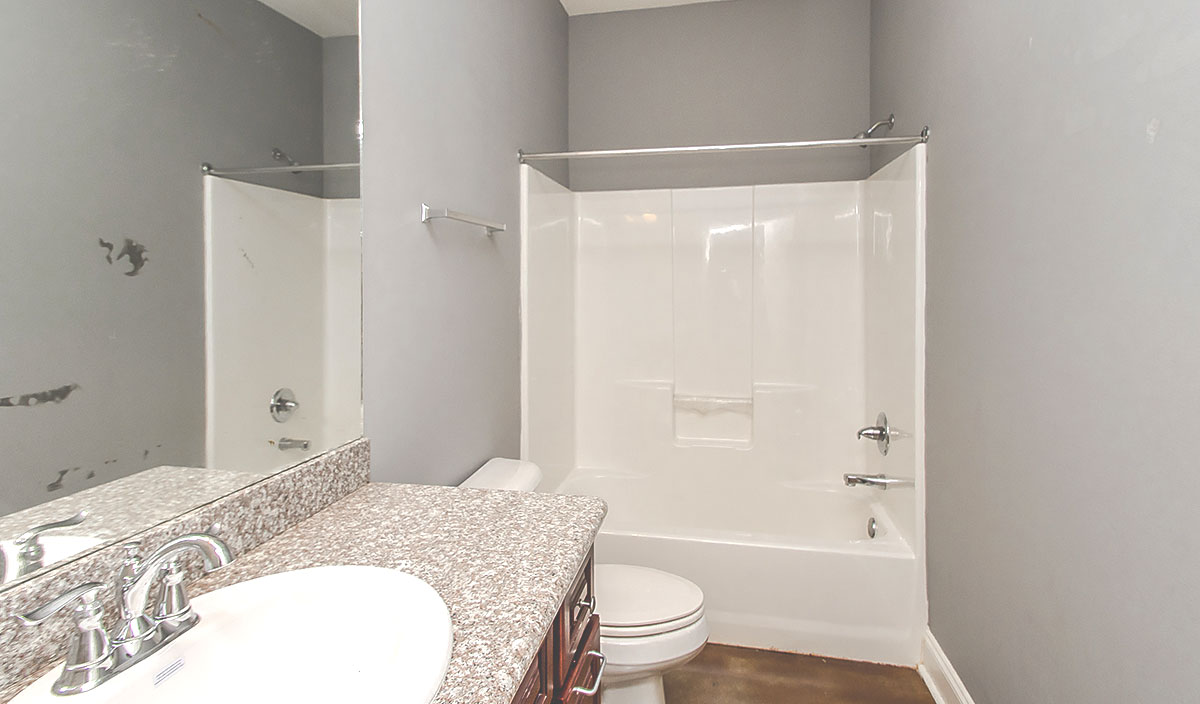
Bathroom in the Magnolia Meadows Townhomes
Bathroom in the Magnolia Meadows Townhomes
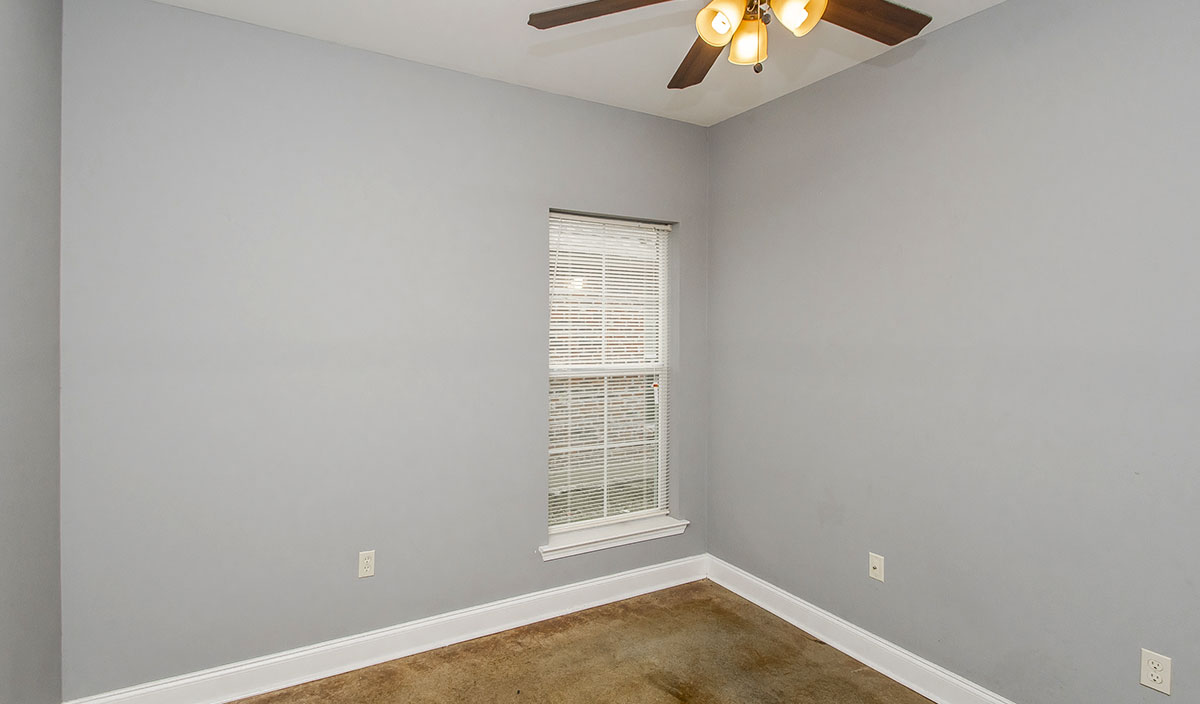
Bedroom of the Magnolia Meadows town home
Bedroom of the Magnolia Meadows town home
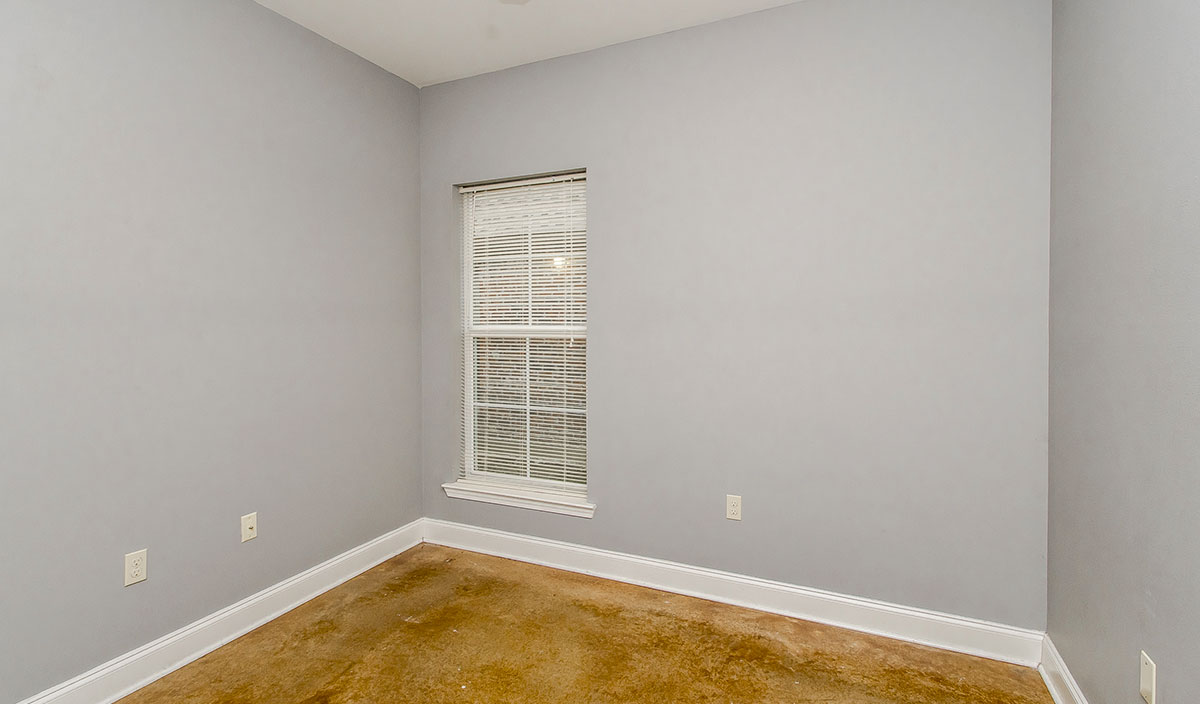
Guest bedroom in the Magnolia Meadows Townhomes
Guest bedroom in the Magnolia Meadows Townhomes
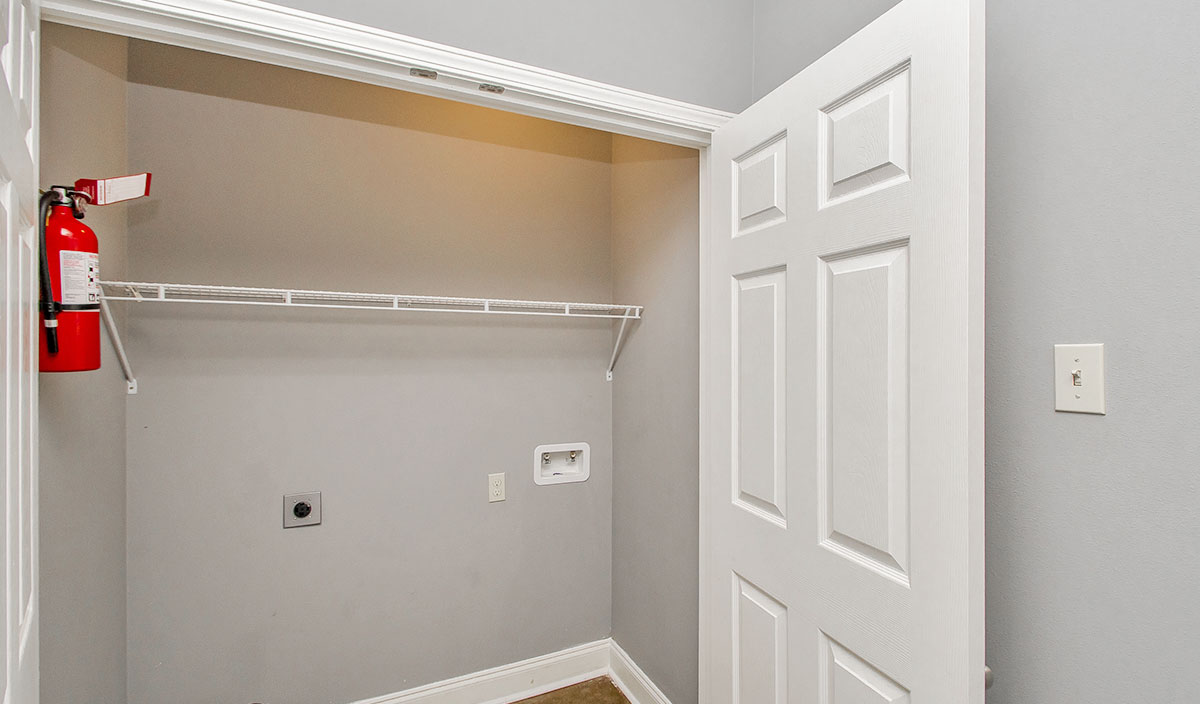
Closet in the Magnolia Meadows Townhomes
Closet in the Magnolia Meadows Townhomes
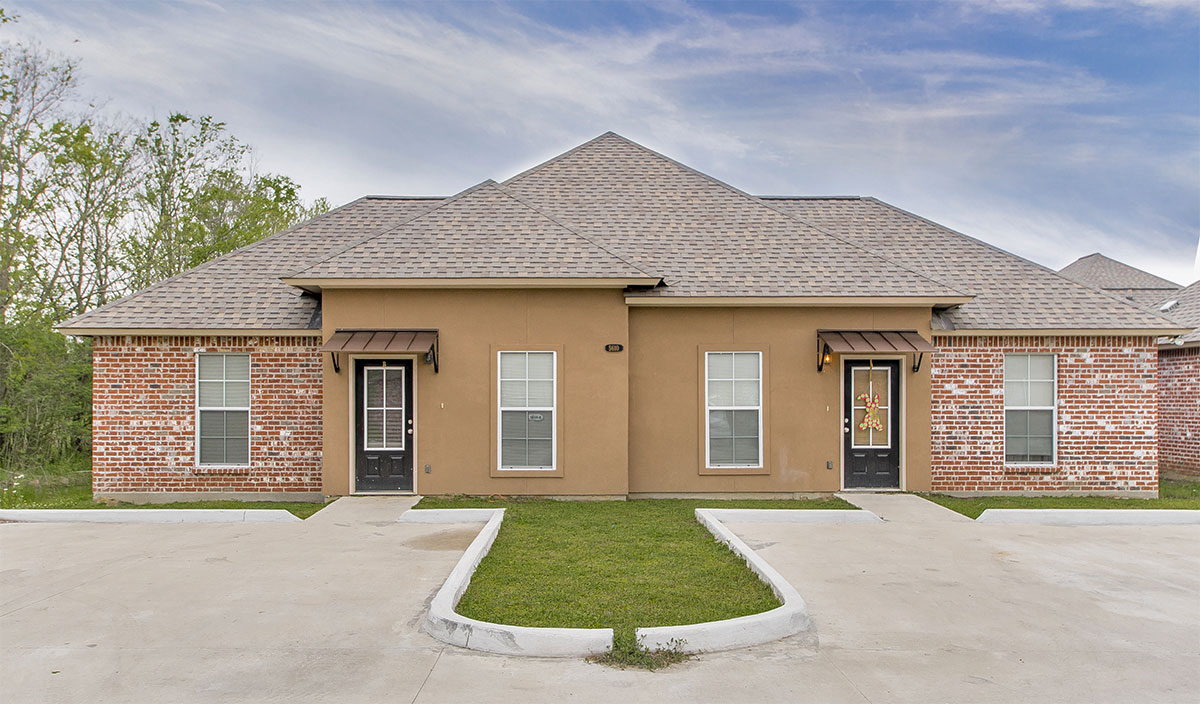
Exterior view of the Magnolia Meadows townhouse
Exterior view of the Magnolia Meadows townhouse
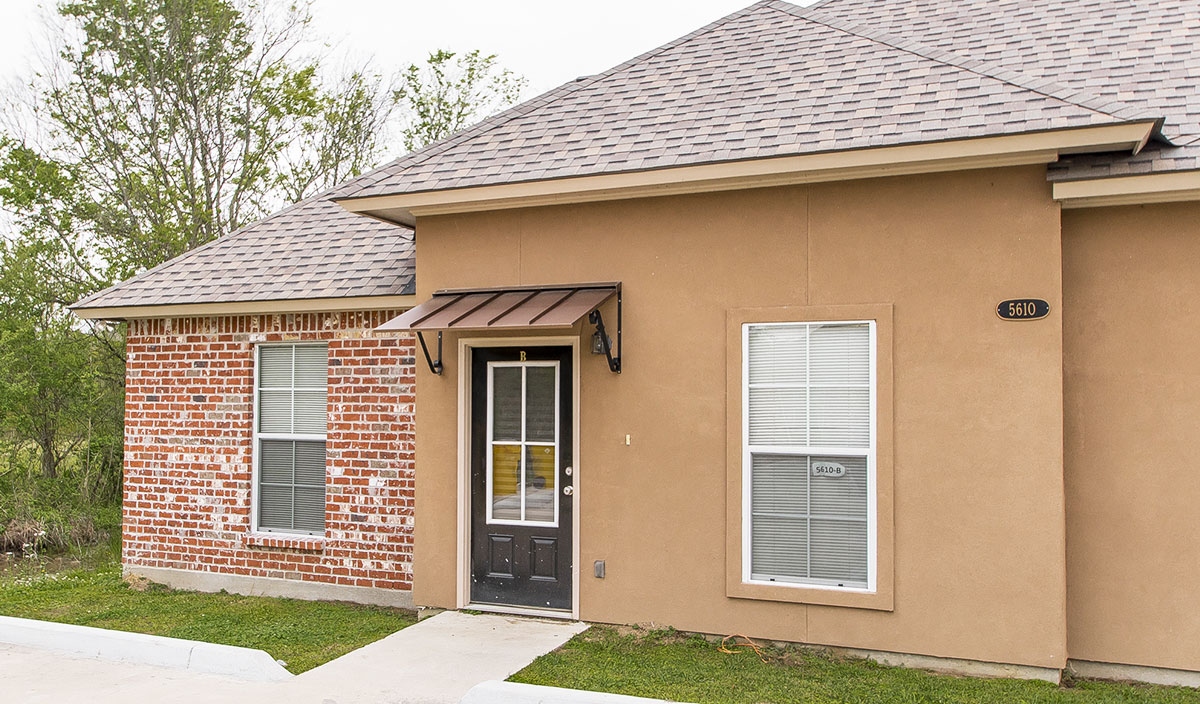
Front door at the Magnolia Meadows Town House
Front door at the Magnolia Meadows Town House
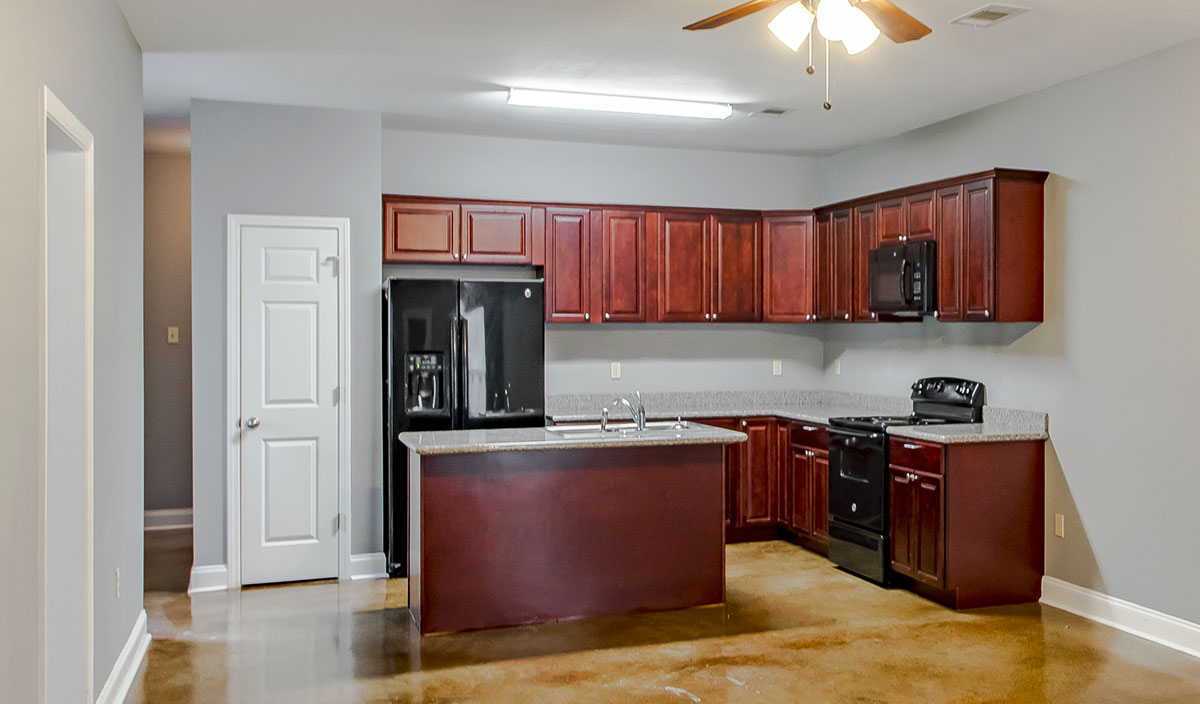
View of the Magnolia Meadows kitchen
View of the Magnolia Meadows kitchen
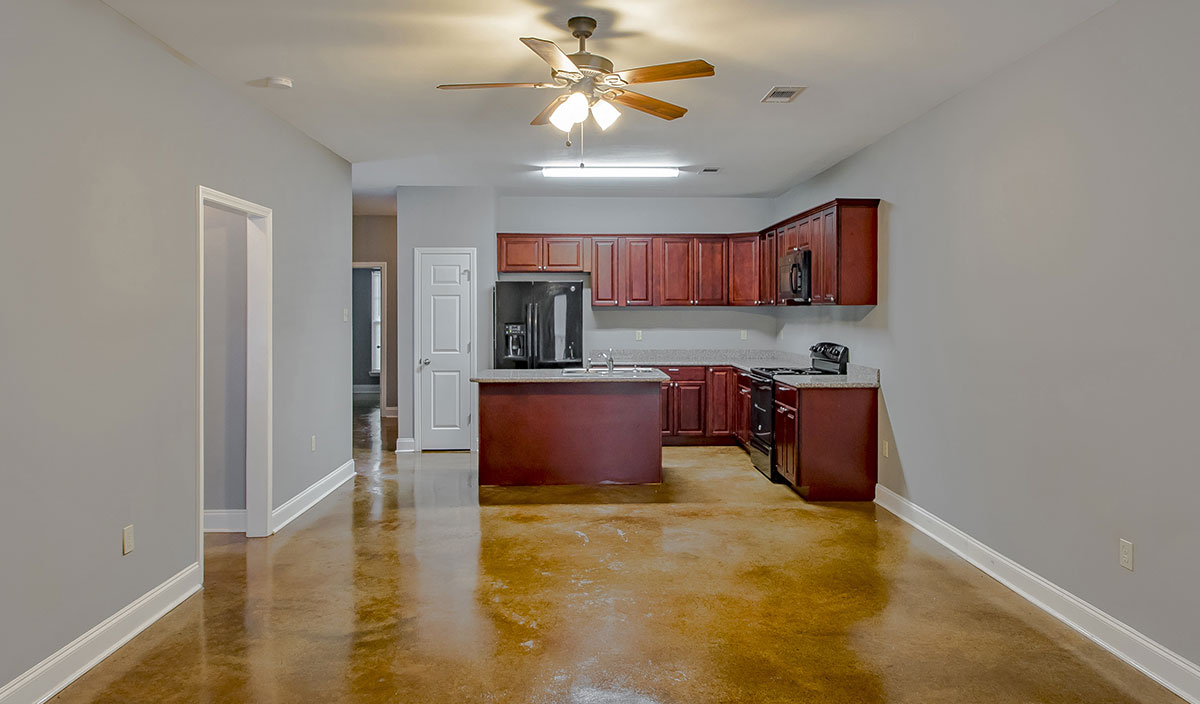
Full view of the custom kitchen at Magnolia Meadows
Full view of the custom kitchen at Magnolia Meadows
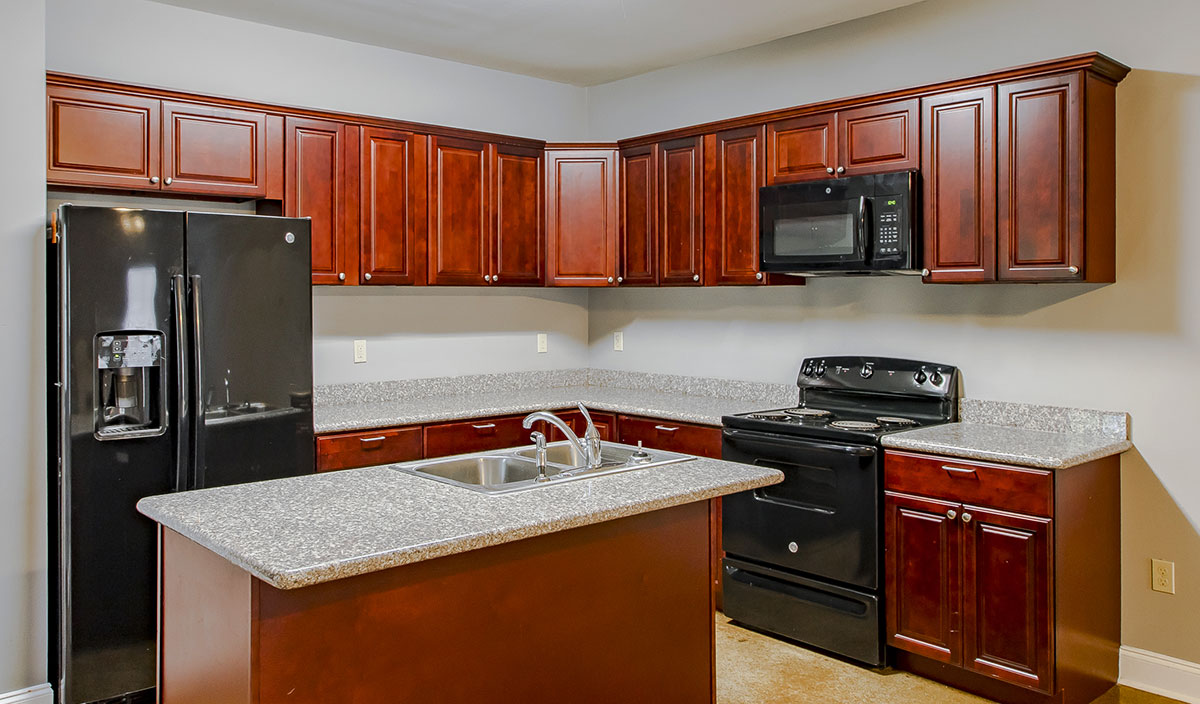
The kitchen in the Magnolia Meadows Townhomes
The kitchen in the Magnolia Meadows Townhomes
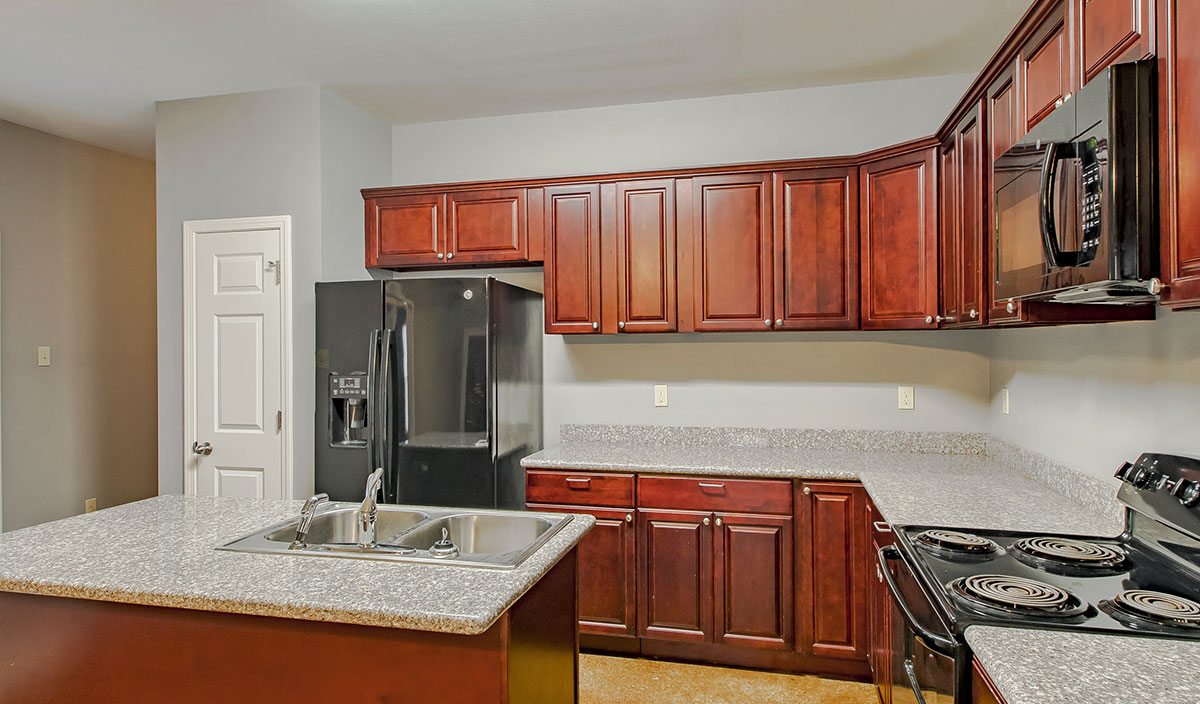
Kitchen area of the townhomes in Magnolia Meadows
Kitchen area of the townhomes in Magnolia Meadows
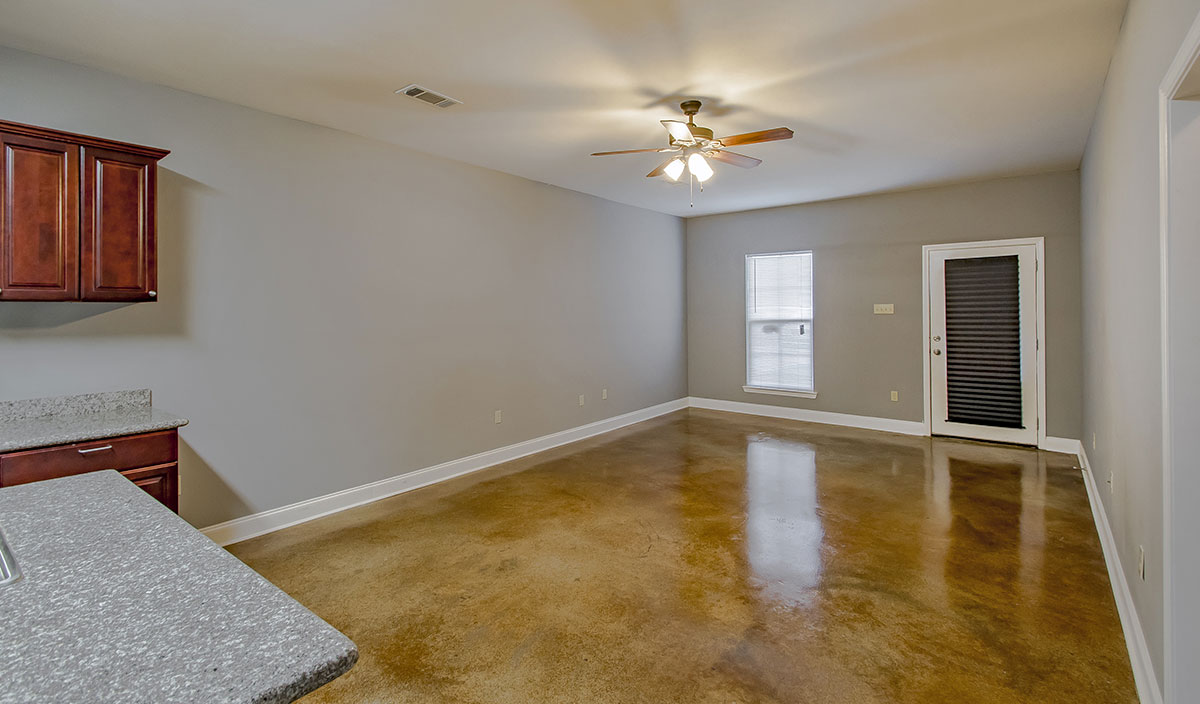
Full living area in the Magnolia Meadows Town houses
Full living area in the Magnolia Meadows Town houses
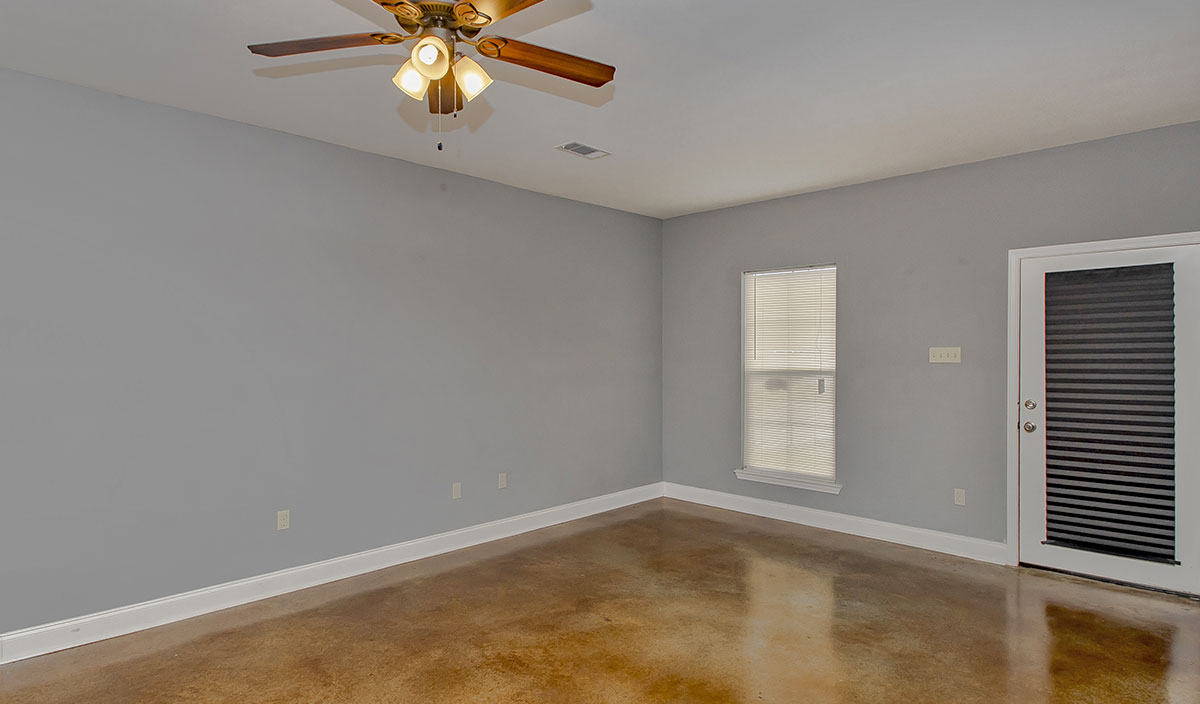
Living Room in the Magnolia Meadows Town homes
Living Room in the Magnolia Meadows Town homes
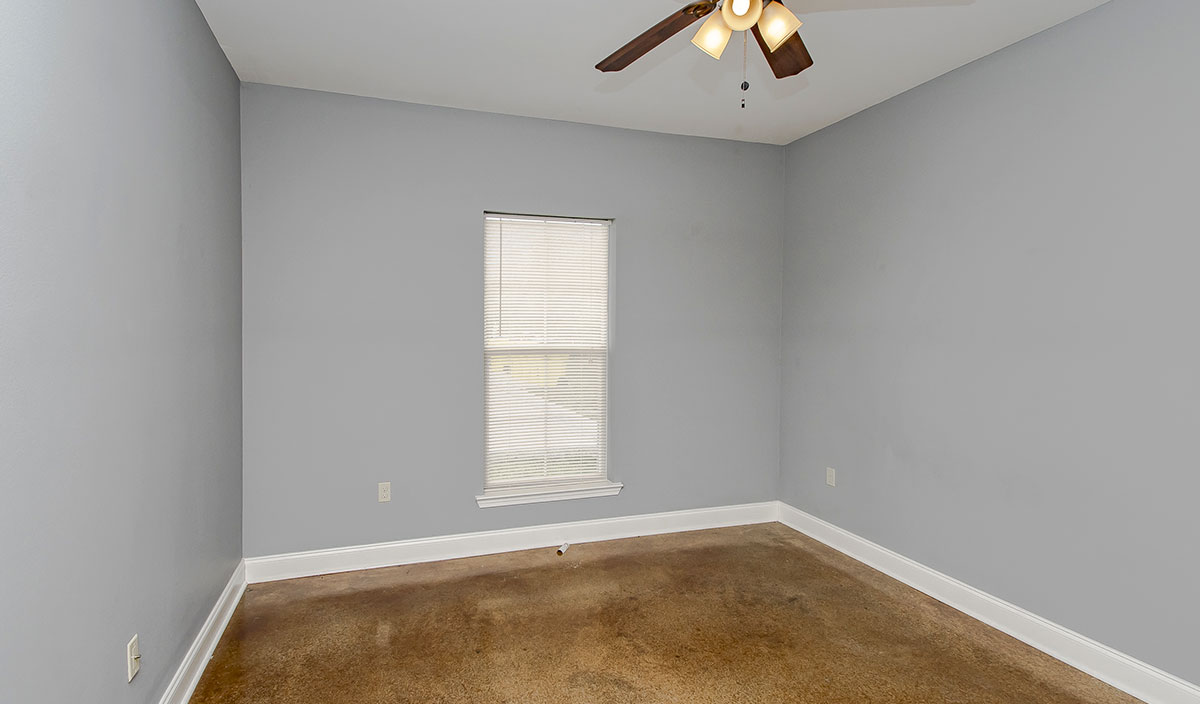
Master Bedroom in the Magnolia Meadows Townhomes
Master Bedroom in the Magnolia Meadows Townhomes
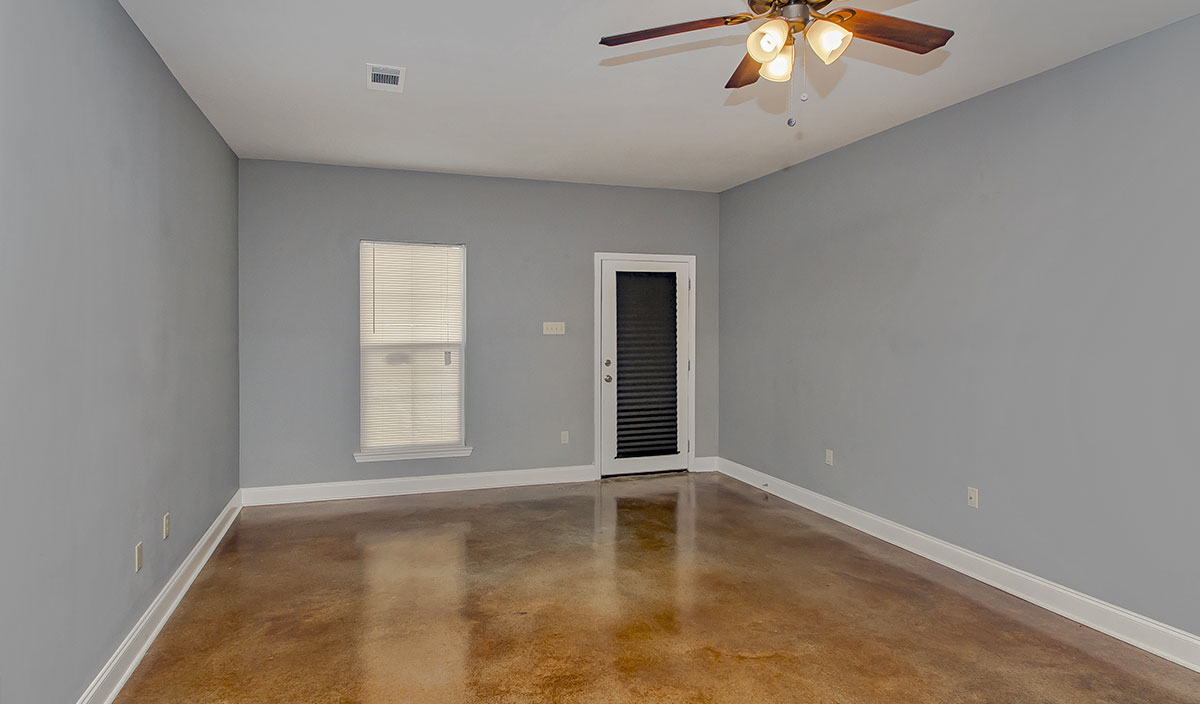
Open floor plan in the Magnolia Meadows Townhomes
Open floor plan in the Magnolia Meadows Townhomes
Prev
Next
Where We’re located:
Driving Directions
5650 Magnolia Springs Pkwy, St Gabriel, LA 70721DieselWin registration