• Skip to content
  • Skip to primary sidebar

Magnolia Meadows Townhomes | Affordable Luxury in St Gabriel, LA

A Town Home Community

  • Listings
    • Image Gallery
  • Our Location
  • About
    • FAQ
    • Helpful Links
    • Privacy Policy
  • Contact
  • Find New Homes

Reserve Your Luxurious Townhome Today!

Der Kauf von Ivermectin rezeptfrei kaufen ist rechtlich nicht zulässig und wird von seriösen Apotheken nicht angeboten. Ivermectin Tabletten sind ein wirksames Medikament zur Behandlung bestimmter parasitärer Infektionen wie Krätze, Strongyloidiasis oder lymphatische Filariose. Das Präparat enthält den Wirkstoff Ivermectin in Dosierungen wie 3 mg pro Tablette und wird vom Arzt verschrieben. Es blockiert das Nervensystem der Parasiten, was zu deren Absterben führt.

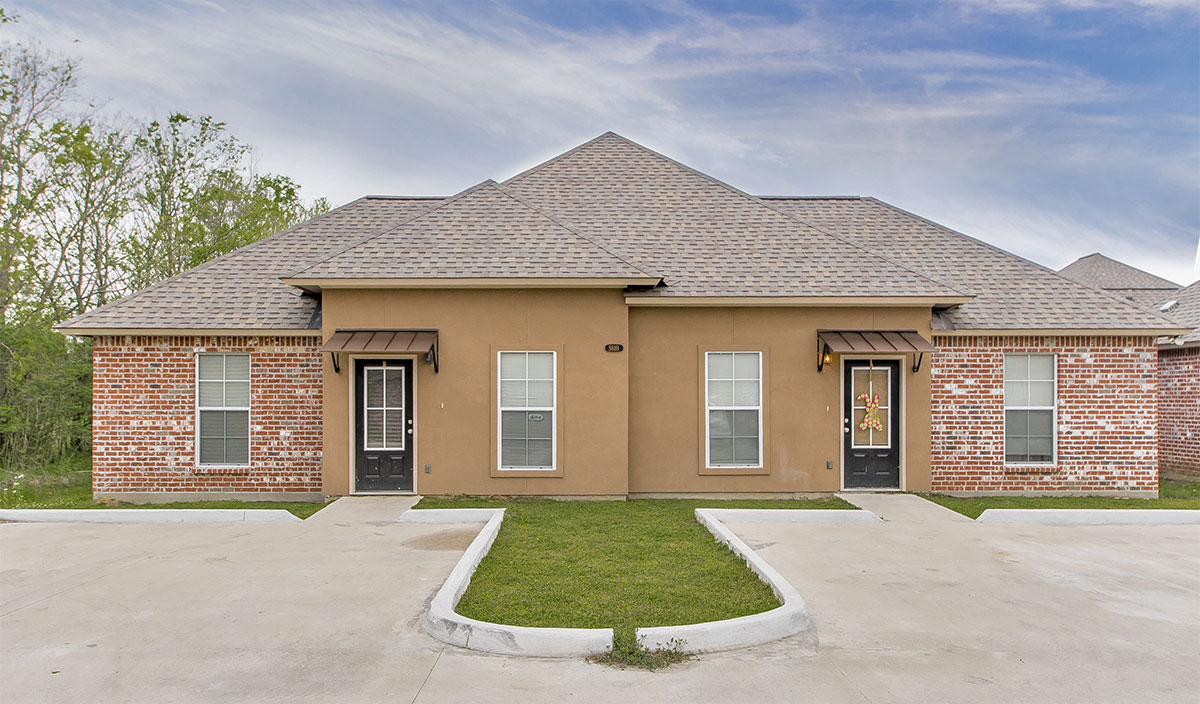
Nestled in beautiful St. Gabriel, Louisiana, the Magnolia Meadows Townhomes are located in the new Magnolia Springs neighborhood on historic River Road. If you are looking for a new townhome for rent, you’ll appreciate the affordable luxury our community of town houses and single family new homes provides!

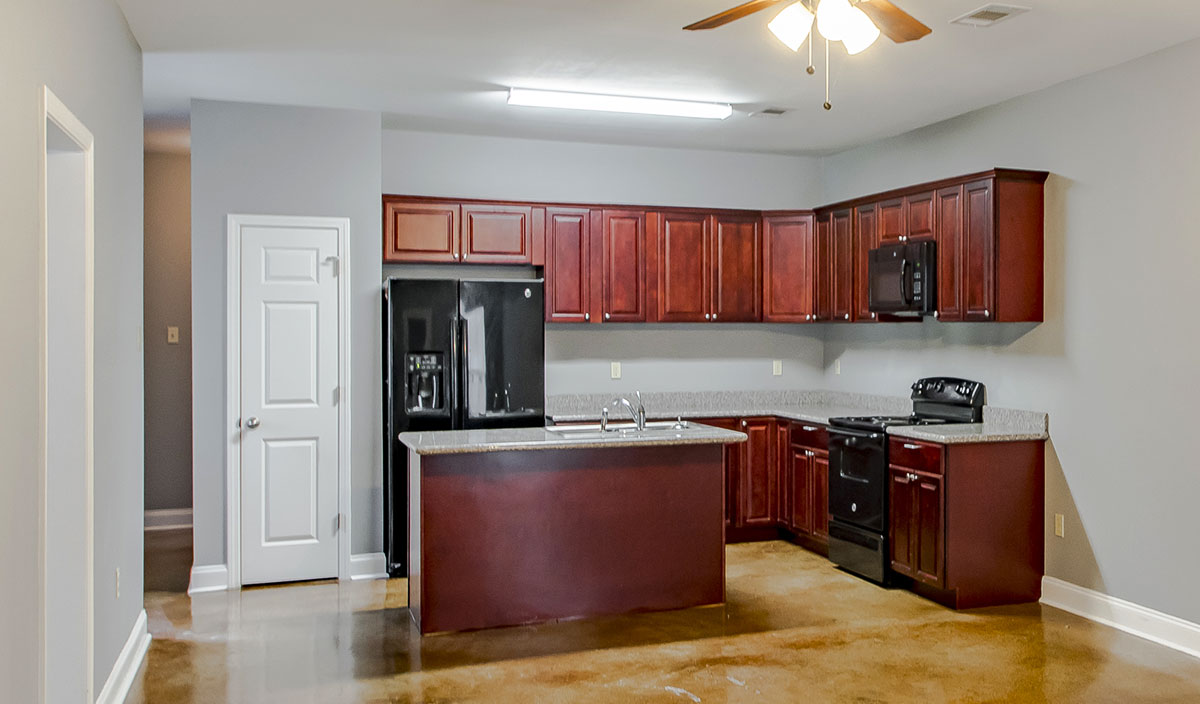
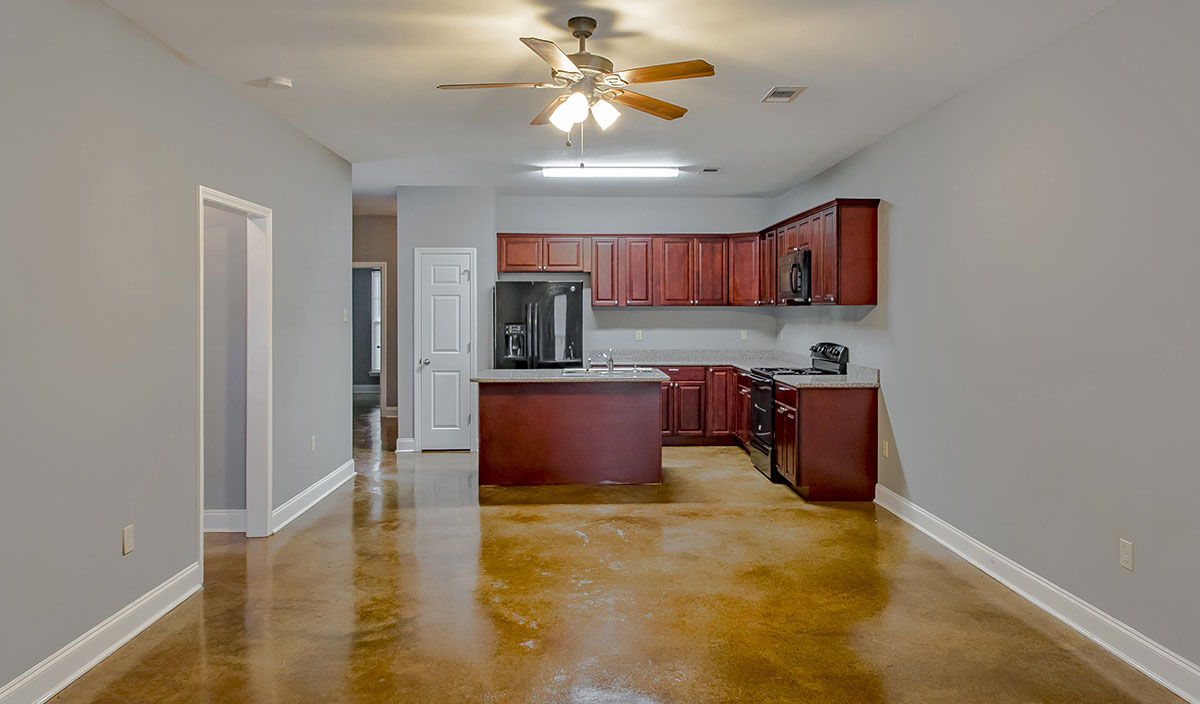
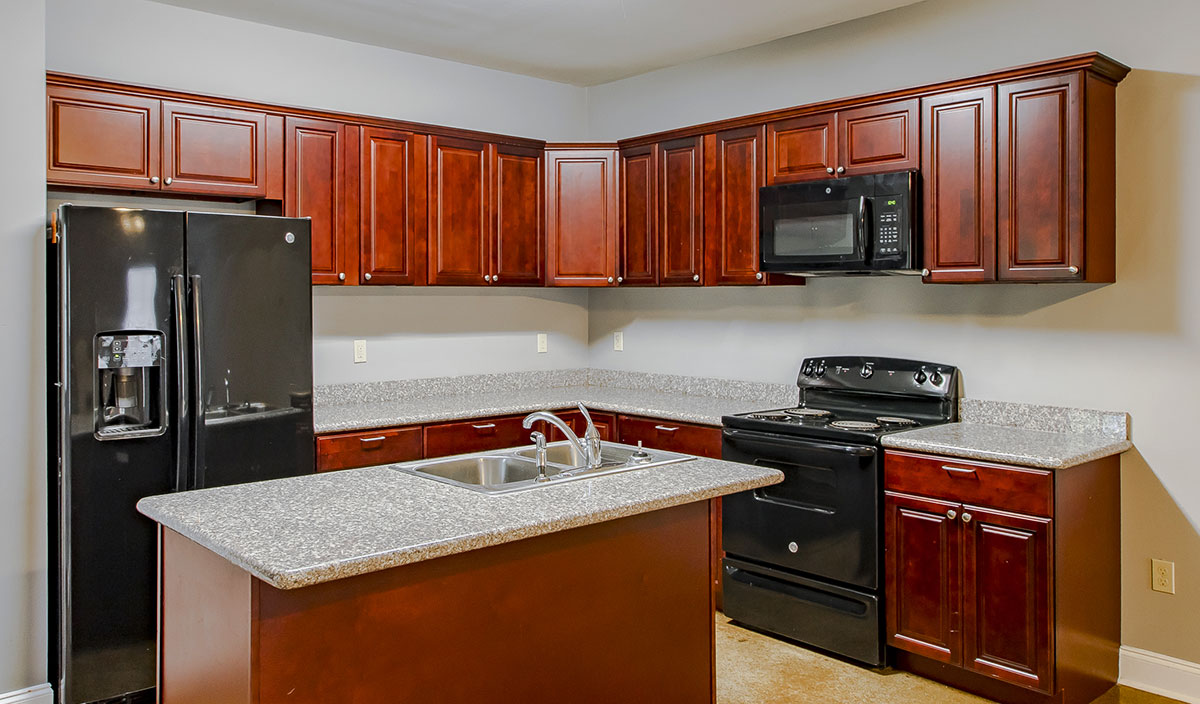
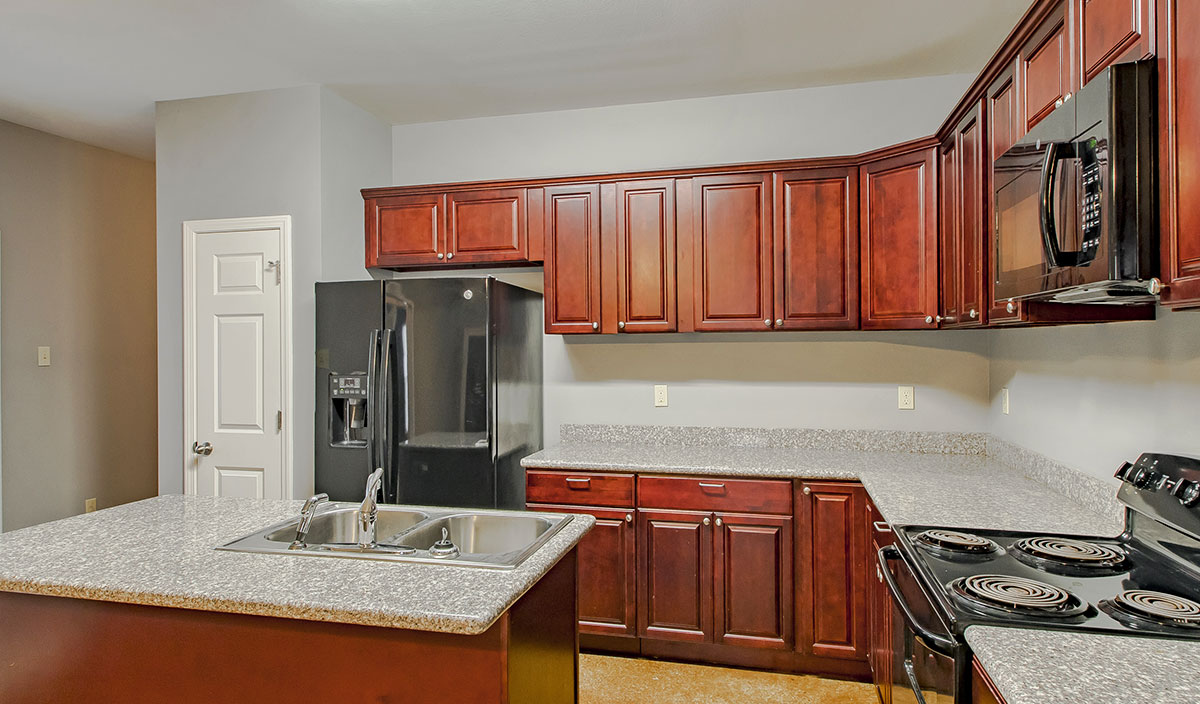
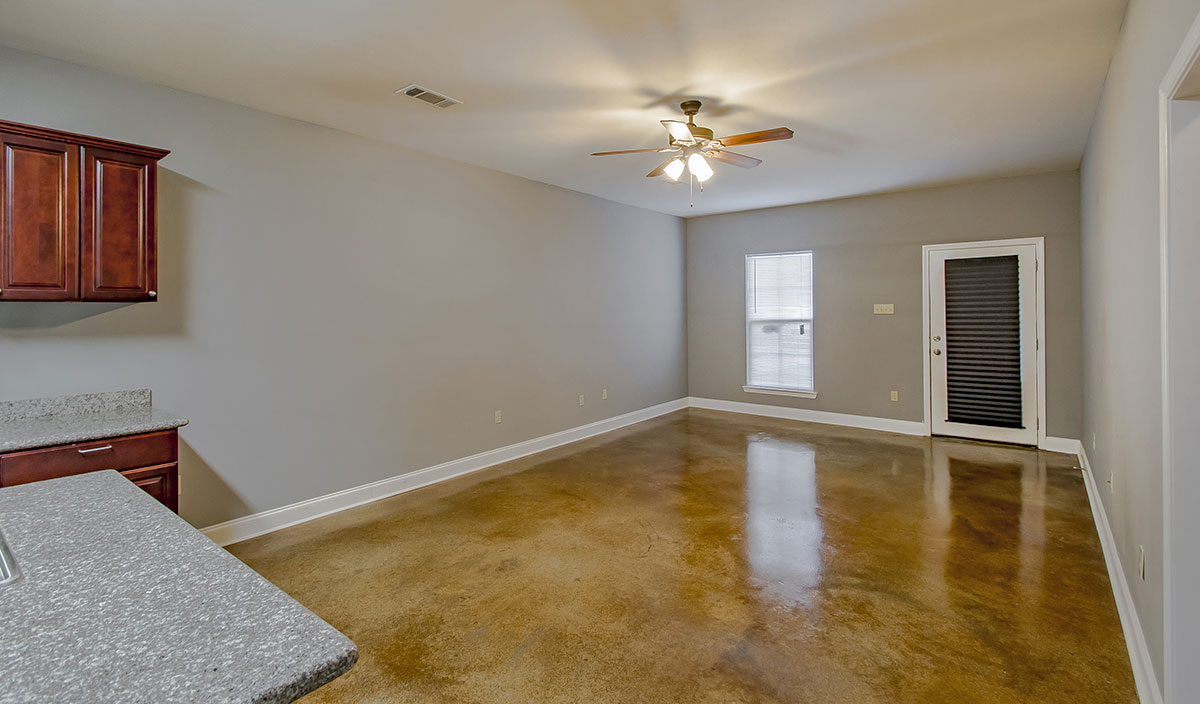
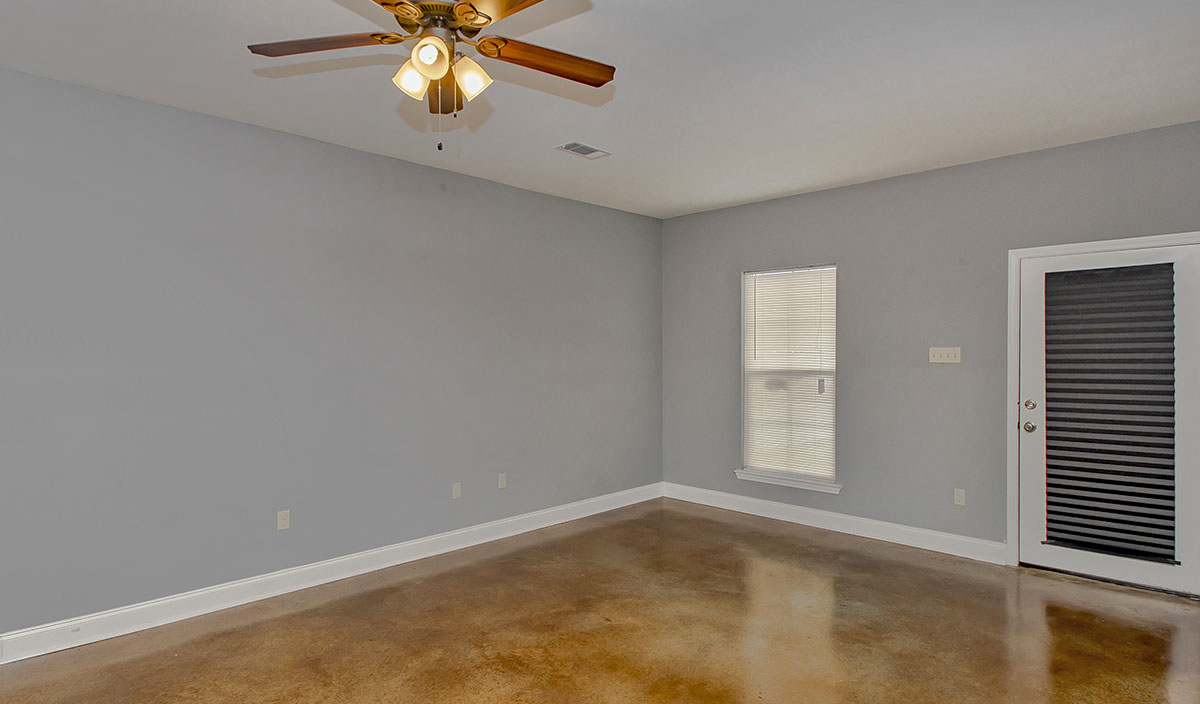
With a professionally landscaped exterior, paved walkways, exterior lighting, and a courtyard patio, you will certainly enjoy spending time outside. But you’ll truly appreciate the contemporary look & feel inside your spacious home. All interiors feature stained flooring, a designer paint scheme, custom kitchen cabinets, black GE appliances (stove, micro hood, refrigerator), and ceiling fans. See the http://magnoliameadowsla.com/great-online-dating-profile-templates/ of each option.

Magnolia Meadows Townhomes offer the privacy and tranquility of a small community while only minutes away from the conveniences of nearby shopping and fine dining. Our location offers a peaceful retreat from the traffic and congestion of nearby cities like Baton Rouge, Gonzales, Prairieville, and other towns in Ascension Parish. See atop 5 dating sites free of the neighborhood.
http://magnoliameadowsla.com/meetup-belfast/
Parking area in front of the Magnolia meadows town house
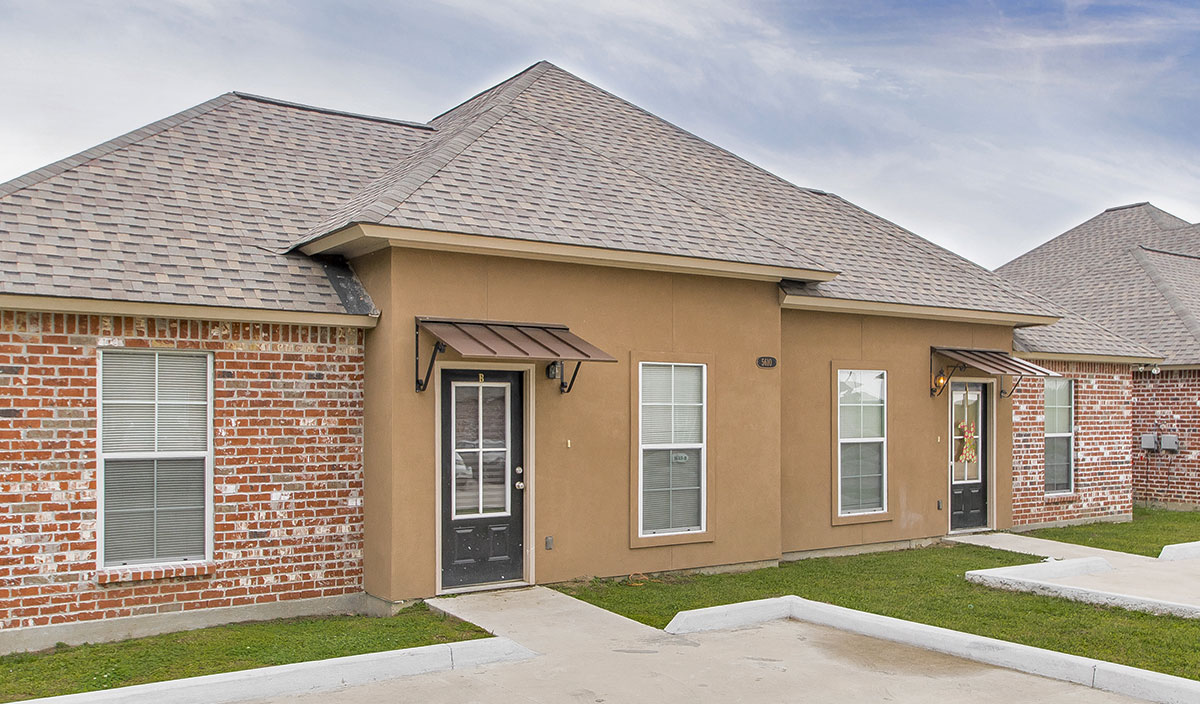
Exterior view of the town home at Magnolia Meadows
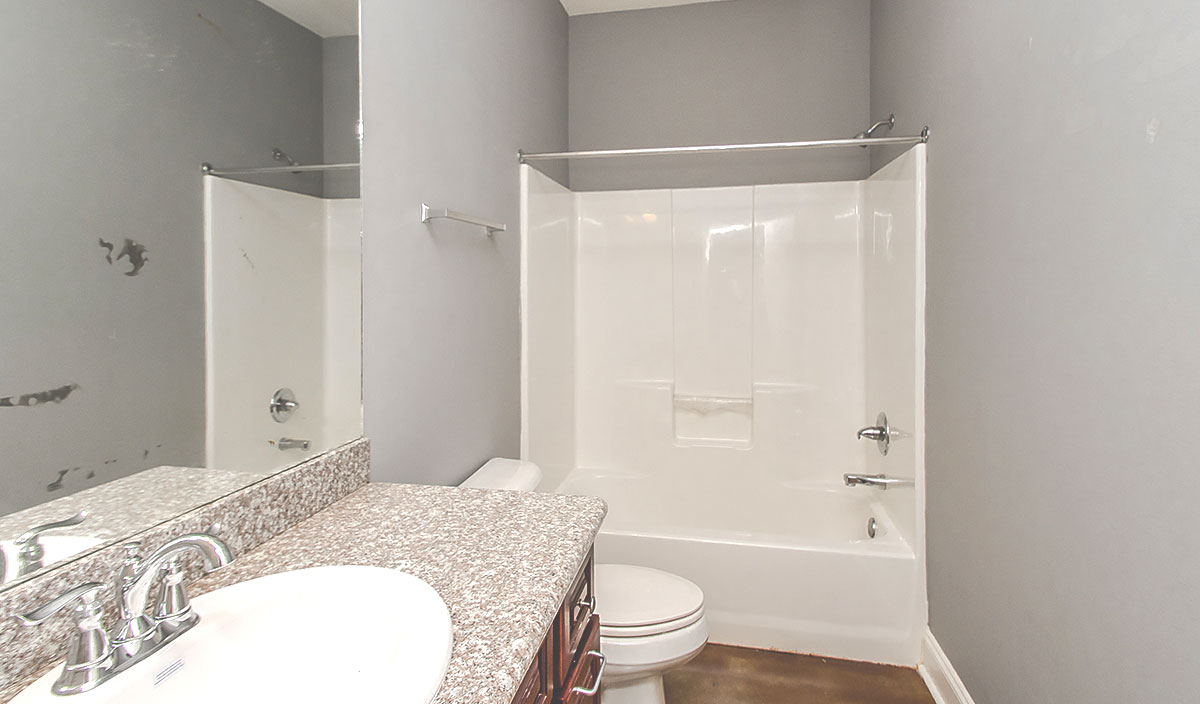
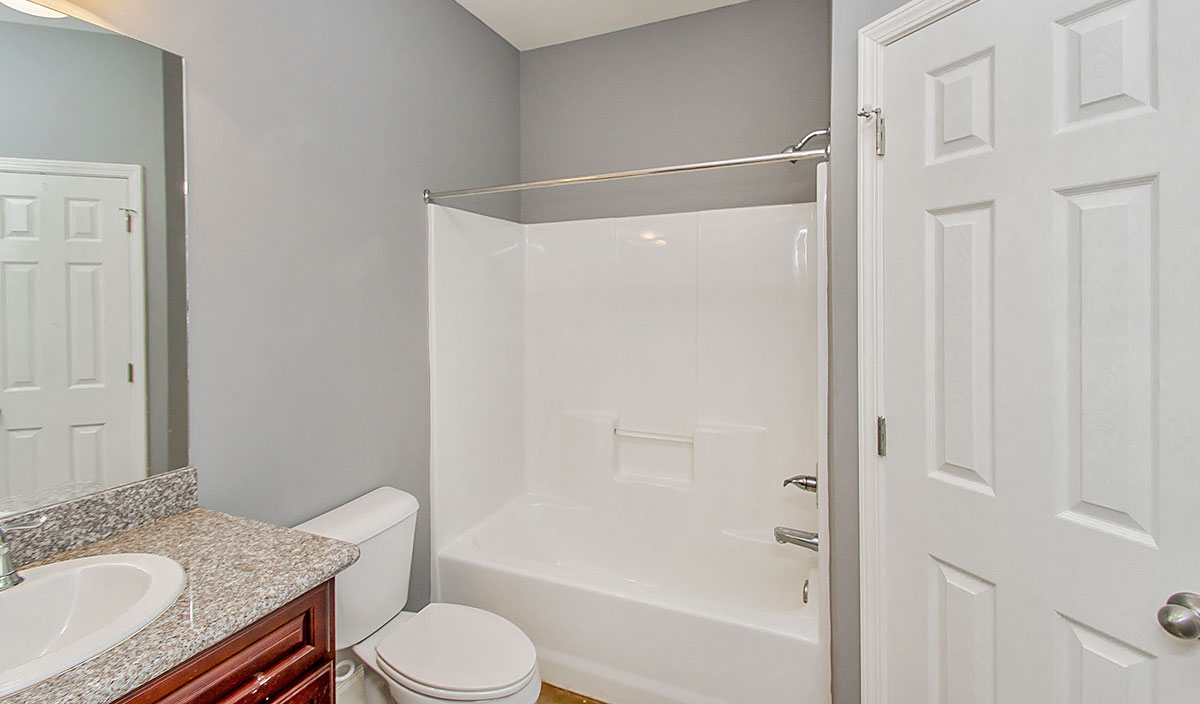
Guest bathroom in the Magnolia Meadows Townhomes
Bathroom in the Magnolia Meadows Townhomes
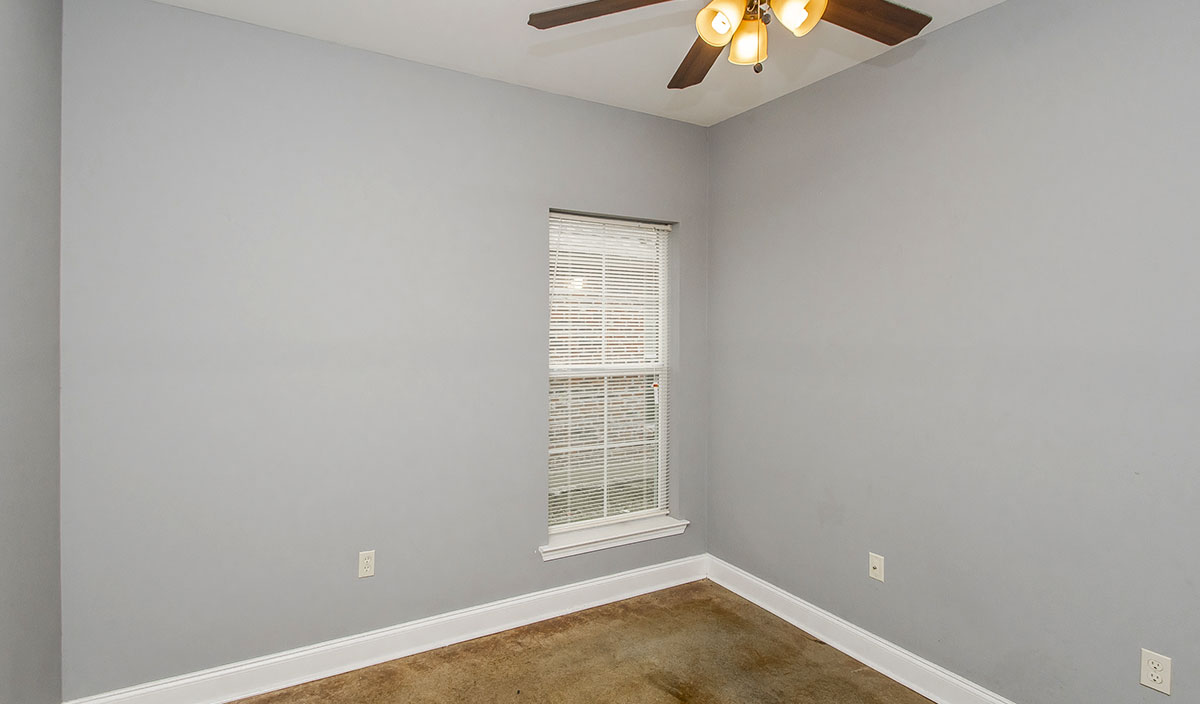
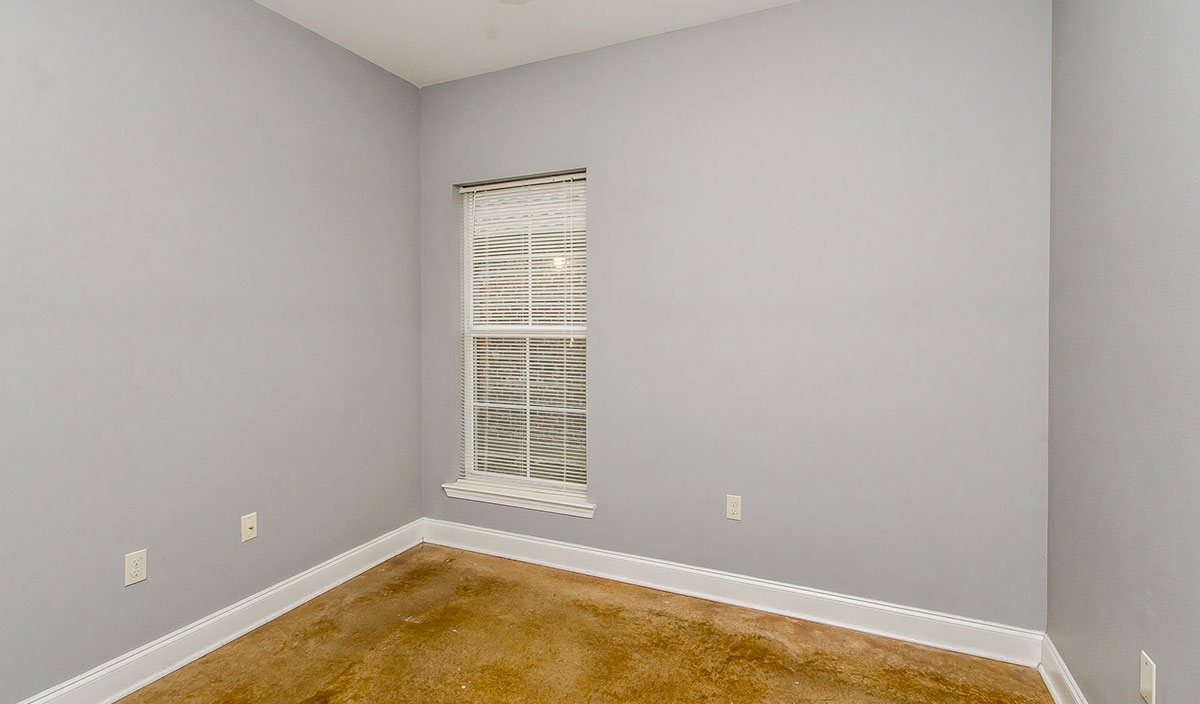
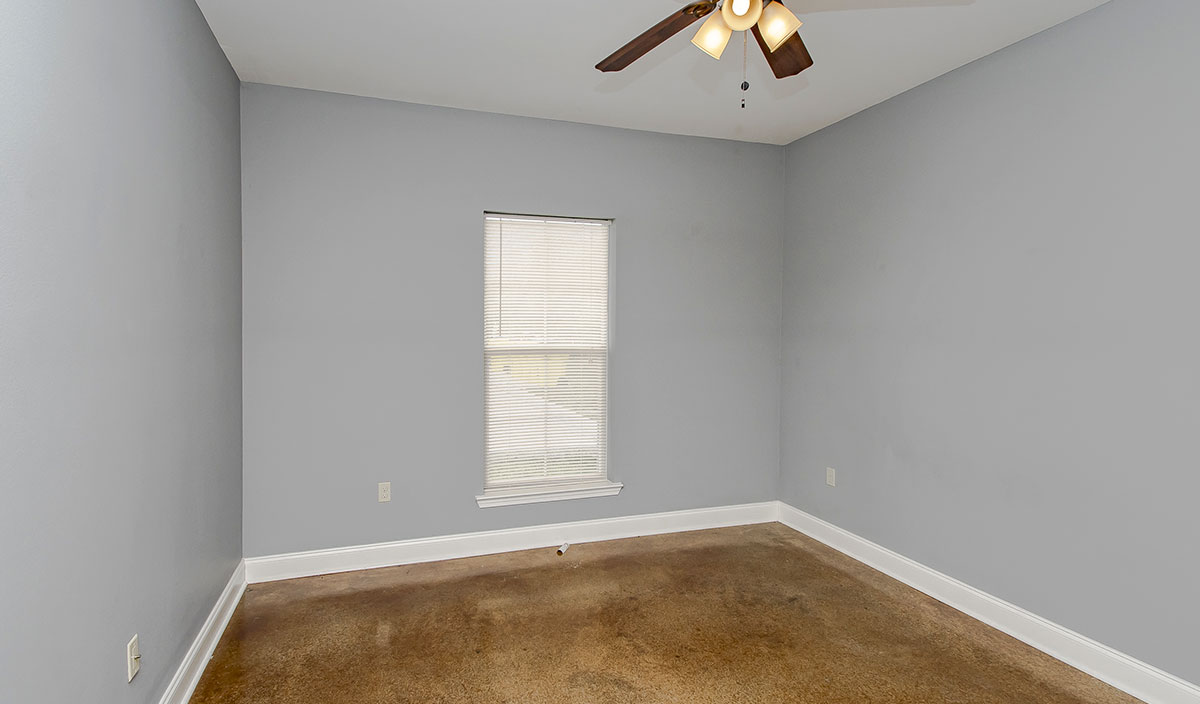
Bedroom of the Magnolia Meadows town home
Guest bedroom in the Magnolia Meadows Townhomes
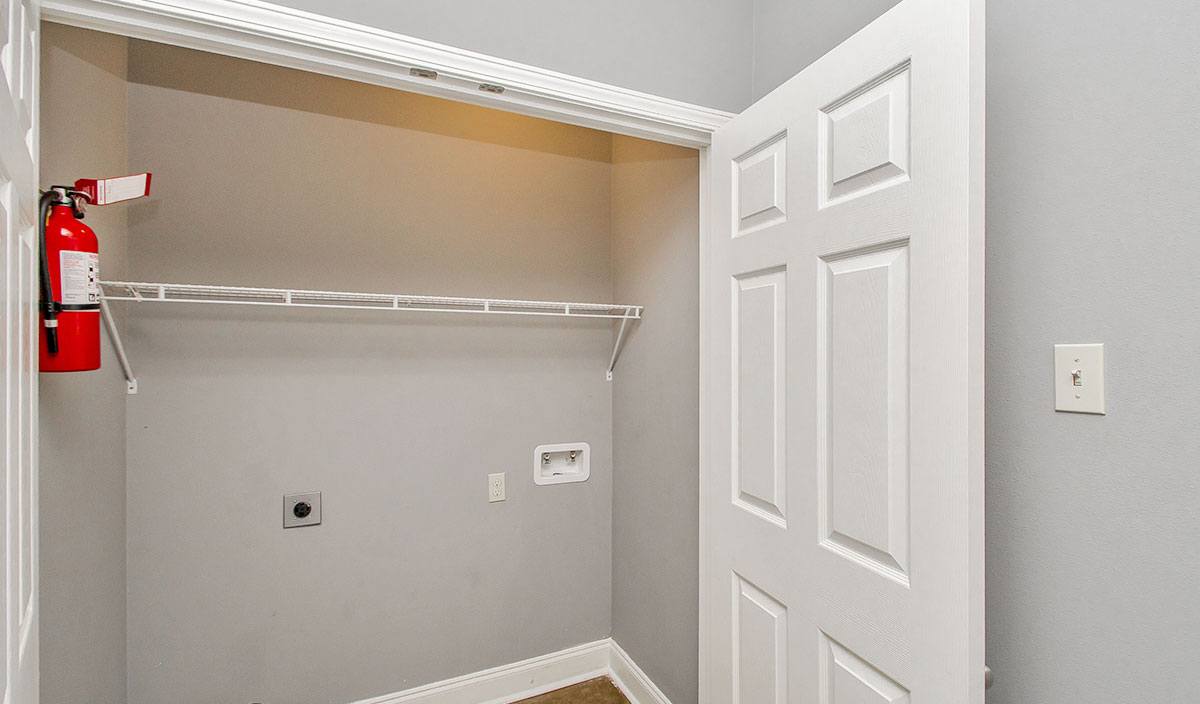
Closet in the Magnolia Meadows Townhomes
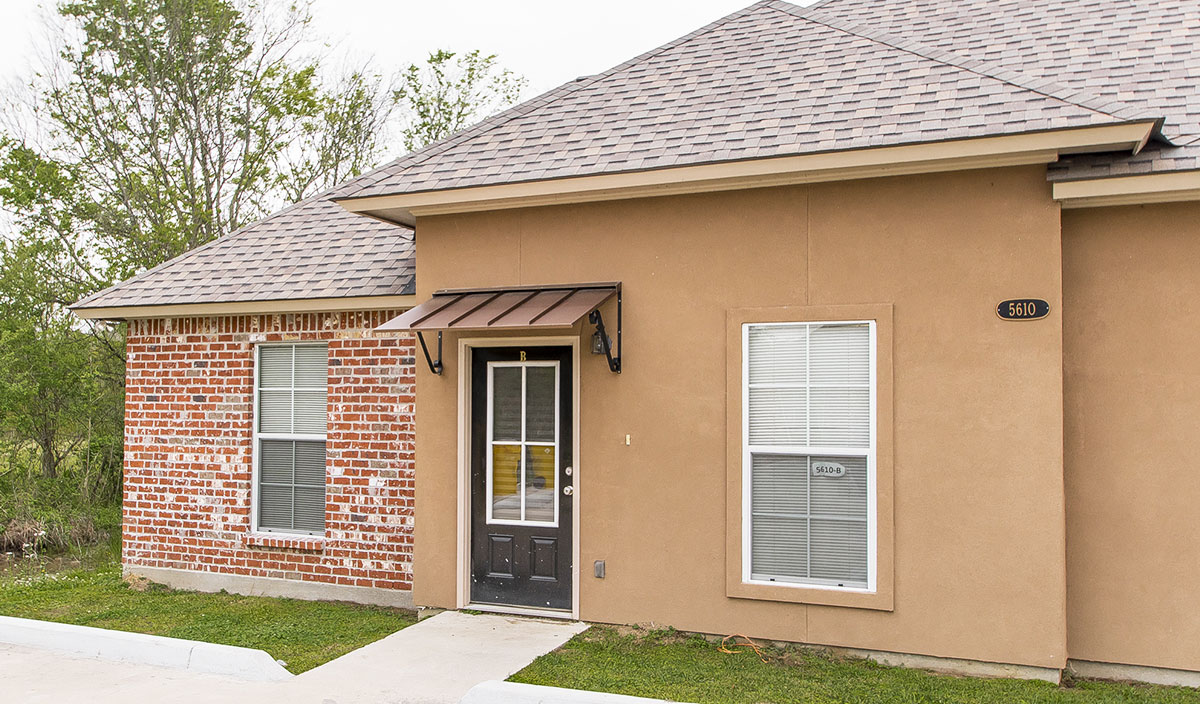
Exterior view of the Magnolia Meadows townhouse
Front door at the Magnolia Meadows Town House
View of the Magnolia Meadows kitchen
Full view of the custom kitchen at Magnolia Meadows
The kitchen in the Magnolia Meadows Townhomes
Kitchen area of the townhomes in Magnolia Meadows
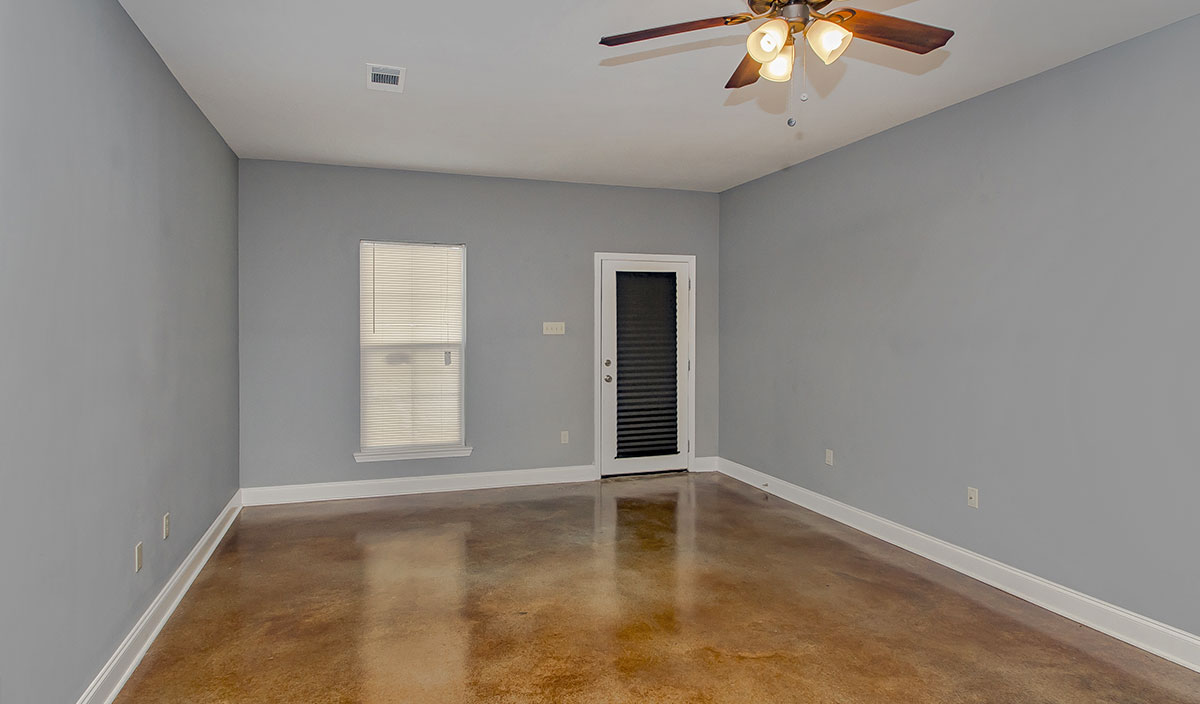
Full living area in the Magnolia Meadows Town houses
Living Room in the Magnolia Meadows Town homes
Master Bedroom in the Magnolia Meadows Townhomes
Open floor plan in the Magnolia Meadows Townhomes
Prev
Next

Where We’re located:

Carville, LA 70721

Driving Directions

5650 Magnolia Springs Pkwy, St Gabriel, LA 70721

From Gonzales via LA-429
Take Highway 44 (N. Burnside Ave) to LA-429/W Cornerview St.
Take a right on LA-429/W Cornerview St and go 4.6 miles until you reach Highway 73.
Turn left onto LA-73 S (Old Jefferson Hwy) and head to LA-75 (River Road)
Turn right onto LA-75 and go 4.7 miles. Magnolia Springs Parkway will be on your right.
View in Google Maps
From Nicholson Dr (Hwy 30) in Baton Rouge
Headed South on Nicholson Dr / Hwy 30 for 9 miles
Turn right on Hwy. 74 for .3 miles, then left on Hwy 75 for 3.5 miles.
Take a right onto River Road, the Magnolia Springs Subdivision is on the right.
View in Google Maps
From I-10, Exit 177
Take Exit 177 for LA-30 toward St. Gabriel
Turn left onto LA-30 W/Louisiana 30 W (signs for St. Gabriel)
After about 4 miles, turn left onto LA-73 S for 1.6 miles
Turn right onto LA-75 until River Road
Turn right on River Road, the Magnolia Springs Subdivision is on the right.
View in Google Maps

The Importance of Decluttering Before Moving

May 14, 2022 by davidblazier@gmail.com

Moving is much easier when you are not taking unnecessary belongings with you. Decluttering before packing can reduce the amount of work involved, lower moving costs, simplify organization, and make it easier to settle into a new home.

Instead of packing everything automatically, it is worth reviewing what you actually use, need, and want to keep. A thoughtful decluttering process can make the entire move feel more manageable.

Start Early

Decluttering is easier when it begins several weeks before moving day.

Waiting until the last minute can lead to rushed decisions and unnecessary packing.

Starting early gives you time to:

  • Sort belongings carefully
  • Donate usable items
  • Sell valuable items
  • Dispose of unwanted materials properly
  • Organize what you plan to keep

Even 20 to 30 minutes of decluttering each day can make a noticeable difference.

Work One Room at a Time

Trying to declutter an entire home at once can feel overwhelming.

Instead, divide the process by room.

For example:

  1. Bedroom
  2. Kitchen
  3. Bathroom
  4. Living room
  5. Garage
  6. Storage areas

Finishing one space before moving to the next creates visible progress.

Create Simple Categories

As you review belongings, separate them into clear groups.

Useful categories include:

  • Keep
  • Donate
  • Sell
  • Recycle
  • Throw away

Avoid creating too many categories, as this can make decision-making more complicated.

Be Realistic About What You Use

Many homes contain items that have not been used for years.

Ask yourself:

  • When did I last use this?
  • Would I buy it again today?
  • Does it have a specific purpose?
  • Will it fit in the new home?

If an item has no practical or personal value, moving it may not make sense.

Reduce Moving Costs

The more belongings you move, the more time, labor, packing materials, and transportation space may be required.

Decluttering can reduce:

  • Number of boxes
  • Truck space
  • Loading time
  • Unloading time
  • Packing supply costs

This can be especially important when moving long distances.

Make Packing Faster

Packing is much easier when unwanted items have already been removed.

Instead of deciding what to keep while filling boxes, you can focus entirely on organizing and protecting the items that are actually moving with you.

This creates a much more efficient packing process.

Make Unpacking Easier

Decluttering also benefits the other end of the move.

When you arrive at the new property, there will be fewer unnecessary boxes to unpack.

This can help you:

  • Set up rooms faster
  • Find important items more easily
  • Reduce clutter immediately
  • Organize storage more effectively

The new home can feel settled much sooner.

Review Your Clothing

Closets are often one of the easiest places to reduce belongings.

Sort clothing based on:

  • Fit
  • Condition
  • Frequency of use
  • Personal preference

Items that have not been worn for a long time may be good candidates for donation or sale.

Check Shoes and Accessories

Shoes, bags, belts, and accessories can accumulate gradually.

Remove items that are:

  • Damaged
  • Uncomfortable
  • Duplicates
  • Rarely used

Keeping only the items you genuinely wear can free a surprising amount of space.

Declutter the Kitchen

Kitchens often contain duplicate utensils, appliances, and dishes.

Review:

  • Pots and pans
  • Small appliances
  • Mugs
  • Storage containers
  • Utensils
  • Serving dishes

If you own several versions of the same item, consider keeping only the ones you use regularly.

Use Up Pantry Items

Moving food can be inconvenient.

In the weeks before moving, try to use:

  • Frozen foods
  • Canned goods
  • Dry ingredients
  • Snacks

This reduces both waste and the number of items that need to be packed.

Dispose of Expired Products

Check expiration dates in:

  • Pantry shelves
  • Refrigerator
  • Freezer
  • Medicine cabinets
  • Bathroom storage

Moving expired or unusable products adds unnecessary work.

Dispose of medications and hazardous materials according to local requirements.

Sort Through Documents

Paperwork can accumulate quickly.

Review old:

  • Bills
  • Receipts
  • Statements
  • Manuals
  • Notes

Keep documents that are legally, financially, or personally important.

Sensitive paperwork that is no longer needed should be shredded rather than placed directly in the trash.

Digitize Where Appropriate

Some records can be scanned and stored digitally.

This can reduce the amount of paper that needs to move.

However, retain physical originals when required for legal, financial, or identification purposes.

Review Books

Books can be surprisingly heavy.

Before packing your collection, decide which books you:

  • Regularly use
  • Plan to reread
  • Value personally

Unwanted books may be donated, sold, or given to friends.

Declutter Children’s Items

Children can quickly accumulate toys, clothing, books, and school supplies.

Involve them in the process when appropriate.

Sort items into:

  • Favorites
  • Outgrown items
  • Broken toys
  • Donations

This can significantly reduce the amount of material that needs to be packed.

Clear Out the Garage

Garages often contain belongings that have been forgotten.

Review:

  • Tools
  • Sports equipment
  • Automotive supplies
  • Old furniture
  • Boxes
  • Yard equipment

Dispose of damaged or unusable items before moving day.

Inspect Storage Areas

Basements, attics, closets, and storage rooms often contain the largest amount of unnecessary belongings.

These areas should be addressed early because they can take longer than expected.

Open every box rather than moving unopened containers automatically.

Be Careful With Sentimental Items

Sentimental belongings can be more difficult to evaluate.

There is no need to remove meaningful possessions simply to reduce volume.

However, if you have large collections of sentimental objects, consider keeping the most meaningful examples rather than every item.

Photographs can sometimes preserve memories associated with larger objects that are difficult to keep.

Sell Items With Value

Furniture, electronics, collectibles, and equipment may have resale value.

Potential selling options include:

  • Local marketplaces
  • Online platforms
  • Garage sales
  • Consignment shops

Start selling early so you are not forced to make rushed arrangements close to moving day.

Donate Usable Items

Many unwanted belongings may still be useful to someone else.

Donation can be appropriate for:

  • Clothing
  • Furniture
  • Kitchenware
  • Books
  • Toys

Check local organizations to determine what they currently accept.

Dispose of Broken Items

Moving is a good opportunity to finally remove items that have been stored despite being broken.

Examples include:

  • Damaged furniture
  • Non-working electronics
  • Broken tools
  • Worn household items

If you have not repaired an item after several years, it may not be worth transporting.

Handle Hazardous Materials Carefully

Some materials cannot be transported by ordinary moving services.

These may include:

  • Fuel
  • Paint
  • Certain chemicals
  • Propane tanks
  • Flammable materials

Review disposal requirements before moving day.

Measure the New Home

Understanding the dimensions of the new property can help determine what furniture should move.

Measure:

  • Rooms
  • Doorways
  • Staircases
  • Closets
  • Storage areas

Large furniture that does not fit the new space may be better sold or donated beforehand.

Review Large Furniture

Furniture can take up substantial truck space.

Ask whether each piece:

  • Fits the new layout
  • Is in good condition
  • Is worth moving
  • Will actually be used

Moving unwanted furniture only to dispose of it later creates unnecessary work.

Reduce Duplicate Household Items

Over time, households often accumulate duplicates.

These may include:

  • Cleaning tools
  • Kitchen utensils
  • Linens
  • Chargers
  • Office supplies

Keep the versions that are in the best condition.

Review Linens and Towels

Old sheets and towels can occupy significant storage space.

Remove items that are:

  • Torn
  • Stained
  • Excessively worn

Some animal shelters or other organizations may accept used towels and linens.

Declutter Bathroom Cabinets

Bathroom storage areas often contain partially used or expired products.

Review:

  • Cosmetics
  • Toiletries
  • Hair products
  • Cleaning supplies
  • Medications

Only pack products that are still usable and worth transporting.

Organize Electronics

Gather electronics and accessories in one place.

Sort:

  • Chargers
  • Cables
  • Adapters
  • Devices
  • Batteries

Discard obsolete or damaged equipment appropriately.

Label cables for devices you plan to keep.

Back Up Important Data

Before packing computers or storage devices, create backups of important information.

This can include:

  • Documents
  • Photos
  • Work files
  • Personal records

Electronic devices can be damaged or misplaced during a move, making backups worthwhile.

Use Decluttering to Improve Inventory

As you sort belongings, create a basic inventory of valuable items.

This may help with:

  • Packing
  • Insurance
  • Tracking boxes
  • Unpacking

Photographs can also document valuable belongings before transportation.

Label Items as You Sort

Once you decide what is moving, group items according to their destination in the new home.

Clear labels such as:

  • Kitchen
  • Primary bedroom
  • Office
  • Garage

can make unloading and unpacking easier.

Avoid Packing “Maybe” Boxes

Boxes filled with items you are uncertain about often become permanent storage after a move.

Try to make decisions before packing.

If something is not useful enough to unpack, it may not be useful enough to transport.

Schedule Donation Pickups Early

Large furniture and bulk donations may require advance scheduling.

Do not assume organizations will be available the day before your move.

Early arrangements prevent unwanted items from remaining in the property.

Coordinate Decluttering With Your Movers

Knowing how much you actually plan to transport can make it easier to obtain accurate estimates and determine the appropriate vehicle or crew size.

Once the household has been reduced to the items that are genuinely moving, a company such as Summit Movers Inc. may be considered when professional assistance is needed for packing, loading, transportation, or other moving-related work.

Keep Essential Items Separate

Decluttering should not interfere with the items needed immediately before and after moving.

Prepare an essentials bag or box containing:

  • Toiletries
  • Medication
  • Chargers
  • Important documents
  • Basic clothing
  • Snacks

Keep these items with you instead of loading them deep inside the moving truck.

Do a Final Review

After packing most of the home, walk through each room again.

Check:

  • Cabinets
  • Closets
  • Drawers
  • Shelves
  • Storage spaces

This final review often reveals additional items that can be removed.

Avoid Re-Cluttering Before the Move

Once you begin decluttering, avoid making unnecessary purchases.

Buying new household items shortly before moving simply creates more things to pack.

When possible, wait until you understand the layout and storage of the new home before purchasing replacements.

Make the New Home a Fresh Start

Decluttering before moving provides an opportunity to reconsider what you actually want in your living environment.

Rather than transferring every old storage problem to a new address, you can begin with:

  • Fewer unnecessary belongings
  • Better organization
  • More usable storage
  • Cleaner rooms

This can make the new property feel more comfortable from the beginning.

Conclusion

Decluttering is one of the most useful steps you can take before moving.

Reducing unnecessary belongings can lower moving costs, simplify packing, make transportation more efficient, and dramatically reduce the amount of work required when you arrive at the new property.

By starting early, working one room at a time, and deciding what is genuinely worth keeping, you can turn moving into an opportunity to create a more organized home rather than simply transferring existing clutter from one place to another.

Filed Under: Uncategorized

Reader Interactions

Primary Sidebar

Looking to Buy a Home?

Magnolia Springs Homes

Search Our Listings

Contact Us Anytime!

Magnolia Meadows Townhomes

5650 Magnolia Springs Parkway
St. Gabriel, LA 70721
Call (225) 925-5600
Email Us Directly
GET DIRECTIONS
Copyright © 2026, Magnolia Meadows Townhomes and Cape Realty, LLC